
Line Engineering
Filling Head Count Calculation Guide
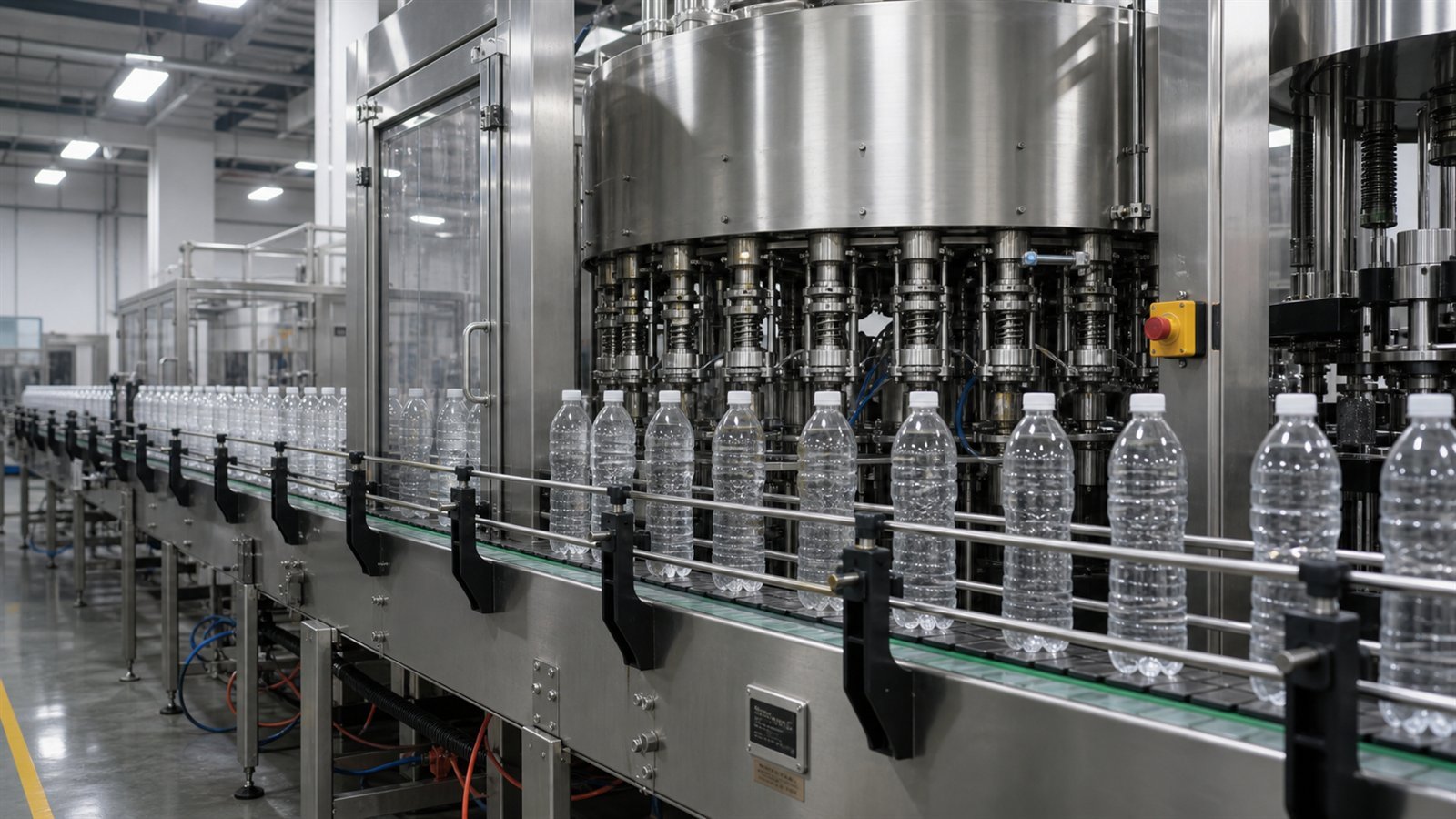
Head count depends on the usable cycle time per container, including fill, indexing, settling and nozzle movement. Product viscosity and fill volume can matter more than the headline bottles-per-hour target.
Editorial basis
Planning guidance, not a final machine specification
Published by Allot Tech (Suzhou) Co., Ltd. This multilingual library uses a consistent buyer-decision framework and independently prepared language packs. Confirm the final configuration against supplier drawings, actual product and packaging samples, destination requirements and the signed technical agreement.
Direct answer
What this decision means for a real filling project
Head count depends on the usable cycle time per container, including fill, indexing, settling and nozzle movement. Product viscosity and fill volume can matter more than the headline bottles-per-hour target.
This guide is part of the Capacity and Line Engineering cluster. Read the hub when the project still needs a broader comparison.
Engineering inputs
Define the duty before comparing equipment
A useful proposal starts from agreed process and package information. These inputs keep suppliers from filling gaps with incompatible assumptions.
Send these details
- Target output
- Fill volumes
- Measured fill time
- Indexing time
- Container pitch
Require these checks
- Review supplier cycle calculation
- Test worst-case volume
- Include settling time
- Compare sustained output with quality limits
Line integration
Connect the choice to upstream and downstream equipment
A production line is limited by its constrained process, not the largest number printed on one machine. Upstream supply, filler cycle, closure handling, label and pack changes, accumulation and operator response should be balanced as one system.
Comparison sheet
Put every supplier on the same basis
| Decision area | What to state in the RFQ | What to verify |
|---|---|---|
| Product | target output | review supplier cycle calculation |
| Package | fill volumes | test worst-case volume |
| Performance | measured fill time | include settling time |
| Operation | indexing time | compare sustained output with quality limits |
| Project scope | Utilities, interfaces, documents, spares, packing, shipping and support | Written inclusions, exclusions and acceptance evidence |
Verification route
Move from a claim to recorded evidence
Agree on bottle size, product condition, sustained test duration, acceptable stops and quality losses. Record actual output at each section and identify whether short stops, starvation or blocking prevent the target from being sustained.
- Approve the duty, drawings and test conditions before fabrication is treated as final.
- Use production-intent product and packaging wherever they materially affect performance.
- Record results by format, operating condition and quality criterion rather than relying on a short edited video.
- List open items, owners and closure evidence before packing and again after site commissioning.
Cycle calculation
Estimate filling heads from measured cycle time
Total cycle time includes actual filling, indexing, nozzle movement, settling and other non-fill time. Round the result up for screening, then let the supplier model valve overlap, conveyor pitch and the complete machine sequence.
Run the calculation for the largest fill volume, highest normal viscosity and any product condition that slows shutoff or settling. A lower-volume SKU should not be used to justify head count for the whole range.
Buyer questions
Answers to common RFQ and acceptance questions
When is Filling Head Count Calculation Guide useful?
Linear or rotary filler comparisons where suppliers propose different numbers of filling valves or nozzles. Head count alone does not prove output because valve design, pitch and non-fill time also matter.
What details should be supplied before requesting a quotation?
Prepare the following project-specific information: target output, fill volumes, measured fill time, indexing time, container pitch. Drawings, photos and representative samples help the engineering review move from a budget assumption to a defined scope.
How should the proposed solution be checked before acceptance?
Use an agreed review or test plan to review supplier cycle calculation, test worst-case volume, include settling time, compare sustained output with quality limits. Record the conditions, measurements and open actions so the result can be compared with the approved specification.
One-Stop Beverage Equipment Solutions
Send the liquid, bottle, output and destination
Allot Tech (Suzhou) Co., Ltd. was founded in 2019. Our roots are in new-media and online communication; since 2025, we have combined that experience with China manufacturing sourcing to introduce practical beverage and liquid-packaging equipment to global buyers honestly and clearly.