
China Liquid Filling Machines & Packaging Lines
Choose filling machines by liquid type, viscosity, foaming behavior, particles, container, cap type, filling accuracy, capacity and automation level.
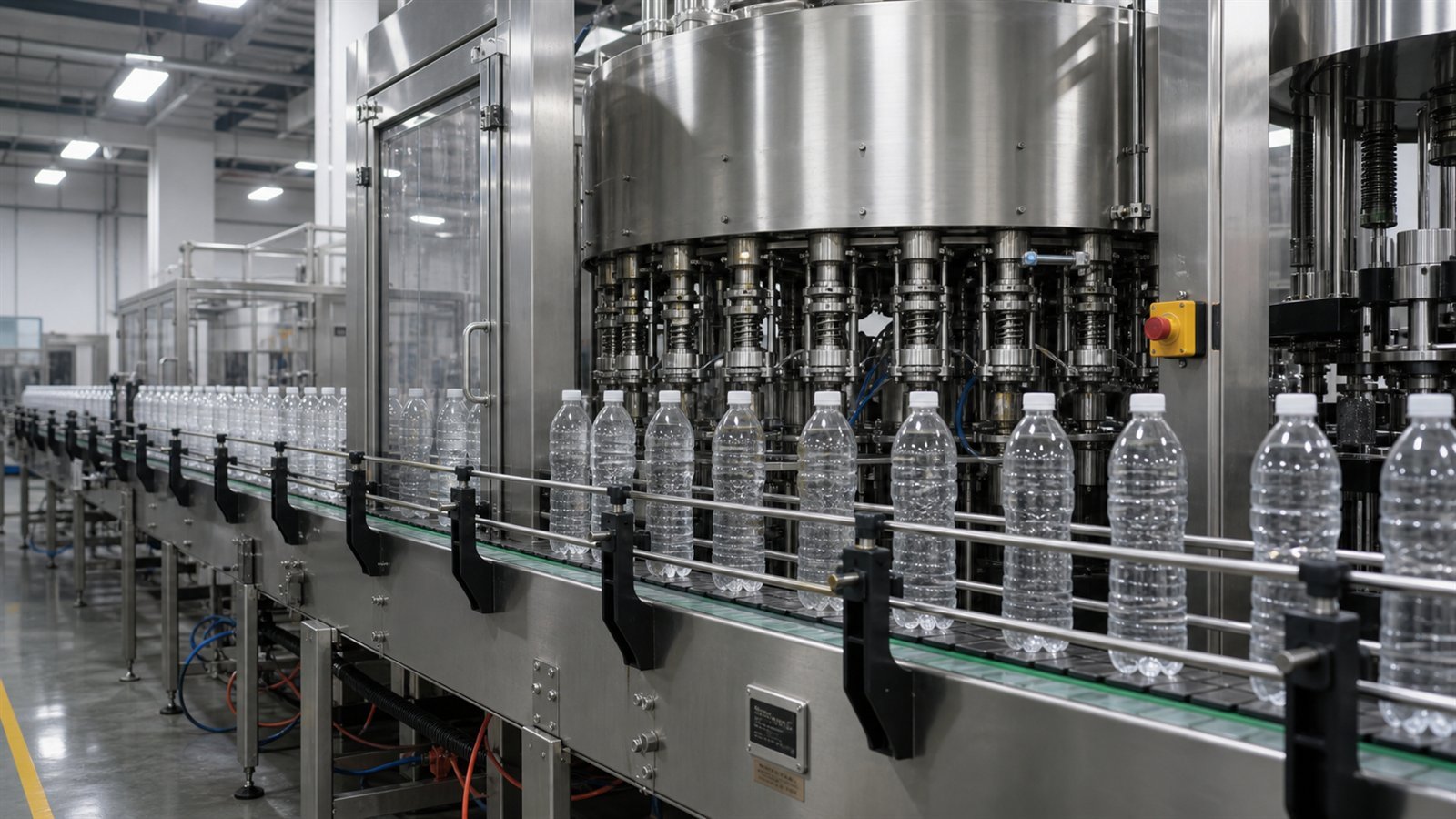
Build the line around your liquid, container and output target
Instead of quoting a random filling machine, Allot helps buyers define the complete production scope: water treatment, bottle blowing, filling and capping, labeling, coding, inspection, packing, spare parts and export shipment from China.
Filling machine and beverage line categories we can source from China
Browse the main equipment routes for bottled water, juice, tea, carbonated drinks and liquid products, then compare bottle blowing, filling, labeling, packing and complete line options.
More liquid filling applications for factories, importers and distributors
Buyers often search by liquid type, not only by machine name. These application routes help customers quickly match the right filling principle, contact material, cleaning method and packaging equipment.
From first inquiry to export shipment, we keep the buying process clear
What we need before recommending a filling line
A useful quotation starts with real production details. Send the information below and we can recommend a practical machine scope instead of a vague price.
| Liquid | Water, juice, tea, CSD, oil, sauce, detergent, dairy or other product |
|---|---|
| Container | PET bottle, glass bottle, can, jar, gallon bottle, cap and label type |
| Capacity | Bottles per hour, filling volume, shift time and future expansion |
| Factory | Voltage, floor layout, water source, air, steam and packing method |
| Export | Destination country, shipping method, documents and installation support |
Filling Machine China Buyer Answer Center
Questions to answer before buying a filling machine from China
Use this page as the starting point for equipment selection, quotation comparison and project risk control. Each answer links to a deeper engineering guide so product, package, capacity, factory and delivery decisions stay connected.
One-page project brief
Six facts that turn a search into a usable machine specification
A supplier can only replace assumptions with engineering decisions when the inquiry contains evidence. Keep these six subjects in one controlled brief and update it whenever the product, package or output target changes.
- Product behavior
- Name the liquid and describe viscosity or flow, foam, particles, temperature, sensitivity, product-contact needs and the cleaning method expected between batches or recipes.
- Real package
- List every fill volume and SKU, then provide bottle or container drawings, neck finish, closure, label and finished-pack information plus representative samples when practical.
- Saleable output
- State required good containers per hour, operating hours, changeovers, cleaning time, expected efficiency, normal demand and peak demand instead of one unsupported maximum-speed number.
- Complete boundary
- Mark whether the project begins at product preparation, empty-container supply or filling, and whether it ends after capping, labeling, inspection, case packing or pallet handling.
- Factory and destination
- Provide the layout, access, voltage, frequency, water, air, drainage, heating or cooling needs, destination country and the local requirements that qualified advisers say apply.
- Evidence and ownership
- Assign drawings, approvals, FAT criteria, packing, freight, unloading, installation, SAT, training, spares, warranty and open-item closure to named parties and agreed milestones.
01 What information is needed to choose a filling machine from China?
Start with the actual liquid, viscosity or flow behavior, foam, particles, filling temperature and cleaning method. Add the container material, dimensions, neck finish, cap, fill volume, label, finished pack, target saleable output, shift pattern, voltage, utilities, factory drawing and destination. Real product and packaging samples are more useful than a product name alone because they expose handling, dosing and changeover constraints before quotation.
Use the filling machine RFQ checklist02 Which filling method fits my product?
Free-flowing non-carbonated liquids may suit gravity or pump filling; products sold by a consistent visible level may suit overflow filling; viscous liquids or products with small particles often require piston or suitable positive-displacement dosing; higher-value products may justify net-weight control; carbonated beverages normally require pressure-controlled filling. The final choice still depends on the container, accuracy target, hygiene level, temperature, cleaning and required output.
Compare filling machine types03 Should I buy one filling machine or a complete bottling line?
Buy a standalone machine when the upstream product supply, containers, closures and downstream packing equipment already have compatible speeds and interfaces. A complete line is usually easier to coordinate when a new factory also needs treatment or mixing, bottle making or feeding, rinsing, filling, capping, labeling, coding, inspection, packing and conveyors. Define exactly where the supplier scope starts and ends so missing interfaces do not become site changes later.
Compare machine-only and complete-line scope04 How do I calculate the required bottles per hour?
Convert the saleable production target into containers, then divide by the real scheduled production hours. Remove time for product change, format change, cleaning, planned maintenance and breaks, and apply a realistic line-efficiency assumption. Run both normal-demand and peak-demand cases. Ask suppliers to state nominal speed, test speed, bottle size and efficiency basis separately so the quoted number can be checked instead of accepted as an undefined maximum.
Calculate a defensible BPH target05 What determines filling machine price in China?
Price changes with the filling principle, fill range, head or valve count, contact materials, controls, guarding, format flexibility, cleaning design and measurable performance requirements. A complete project may also include treatment, tanks, bottle blowing, capping, labeling, inspection, packing, conveyors, molds, change parts, spares, documents, testing, export packing, freight, installation and training. Compare total project scope and lifecycle obligations rather than an isolated machine price.
Review cost and RFQ factors06 How should I compare quotations from Chinese suppliers?
Put every proposal into one line-by-line comparison matrix. Normalize the product and package duty, sustained output basis, equipment boundary, contact materials, component makes, utility loads, change parts, documentation, FAT, export packing, Incoterm, delivery trigger, warranty and installation responsibilities. Mark every exclusion and assumption. Resolve technical deviations in writing before comparing the commercial total, because a lower figure may simply omit equipment or services included elsewhere.
Use a quotation comparison method07 How can I verify a filling machine supplier in China?
Verify the legal company name, business registration, factory or integration address, contracting entity, payment beneficiary and the team responsible for engineering and service. Request a live video review of relevant assembly work and ask for drawings, manuals or test records from a comparable application where disclosure is permitted. An integrator can be useful for a complete line, but it should state which equipment it supplies directly, what is subcontracted and who owns final line performance.
Follow the China import decision guide08 What should a factory acceptance test check?
Agree the FAT protocol before the machine is finished. Identify the machine and approved revision, representative product or substitute, containers, closures and labels, test duration, target format, safety checks, recipes, alarms, fill measurements, closure results, output basis, rejects and required documents. Record measured results and unresolved items in a signed punch list with owners and closure evidence. A short running video supports the record but does not replace agreed acceptance criteria.
Prepare the filling machine FAT09 Which drawings and documents should arrive with the machine?
The document list should match the project but commonly covers an approved general arrangement, utility schedule, electrical and pneumatic information, operating and maintenance manuals, parts list, recommended spares, format-part list, software or parameter backup method, declarations or test records included in scope, packing list, FAT report and open-item closure. Confirm language, file format, revision status and delivery milestone in the contract instead of asking for generic documentation after shipment.
Plan the documentation handover10 How is filling machinery shipped from China?
Confirm the Incoterm and named place, packing method, machine dimensions and weights, container plan, corrosion and moisture protection, lifting points, marks, packing list, loading evidence, insurance responsibility, customs documents, destination unloading and the route into the factory. Large frames may need partial disassembly or special handling. Review access doors, cranes, forklifts and floor loading before dispatch so the shipment can move from the port to its final position.
Plan machinery shipping from China11 What must be ready before installation and commissioning?
Approve the line layout and prepare equipment access, foundations where required, drainage, power, compressed air, process water, cooling or heat, product supply, cleaning resources and safe service space. Assign who unloads, positions, connects and tests each system. Have containers, closures, labels, product or approved substitute, operators and maintenance staff available for commissioning. Separate factory acceptance from site acceptance because some integrated performance can only be demonstrated under final site conditions.
Use the factory readiness guide12 How should destination compliance be handled?
The buyer and qualified local advisers should identify applicable electrical, machine-safety, pressure, food-contact, environmental, labeling and import requirements for the destination and site. Convert them into a written compliance matrix that assigns evidence and responsibility. Ask the supplier to confirm what design features, documents, tests or third-party work are included and excluded. A logo, general export statement or certificate title alone does not establish that the complete installed line meets every local obligation.
Build a destination compliance checklist13 What should after-sales support and spare parts include?
Define remote response channels, service hours, escalation contacts, software access, on-site support terms, travel costs, warranty start and exclusions before order. Build the spare-parts list from wear rate, failure consequence, local availability and planned operating hours. Separate consumables, format parts and critical insurance spares, record part numbers and storage limits, and connect the list to preventive-maintenance tasks so the first production months do not depend on an undefined generic kit.
Plan the first spare-parts package14 What is the fastest way to receive a useful recommendation?
Send one concise project pack: product description and safety information where relevant, liquid temperature and behavior, container and closure drawings or samples, fill volumes and SKU count, target saleable output, operating hours, final packing format, available utilities, factory plan, destination, timing and budget stage. State whether you need one machine, a packaging cell or a complete line. This allows the first discussion to focus on technical gaps and comparable scope instead of repeated basic questions.
Send the project detailsRealistic equipment views for faster selection
Use these eight machine categories to compare filling, capping, labeling, packing and water treatment options before requesting a quotation.
PET bottle rinsing, filling, capping and conveying from China.
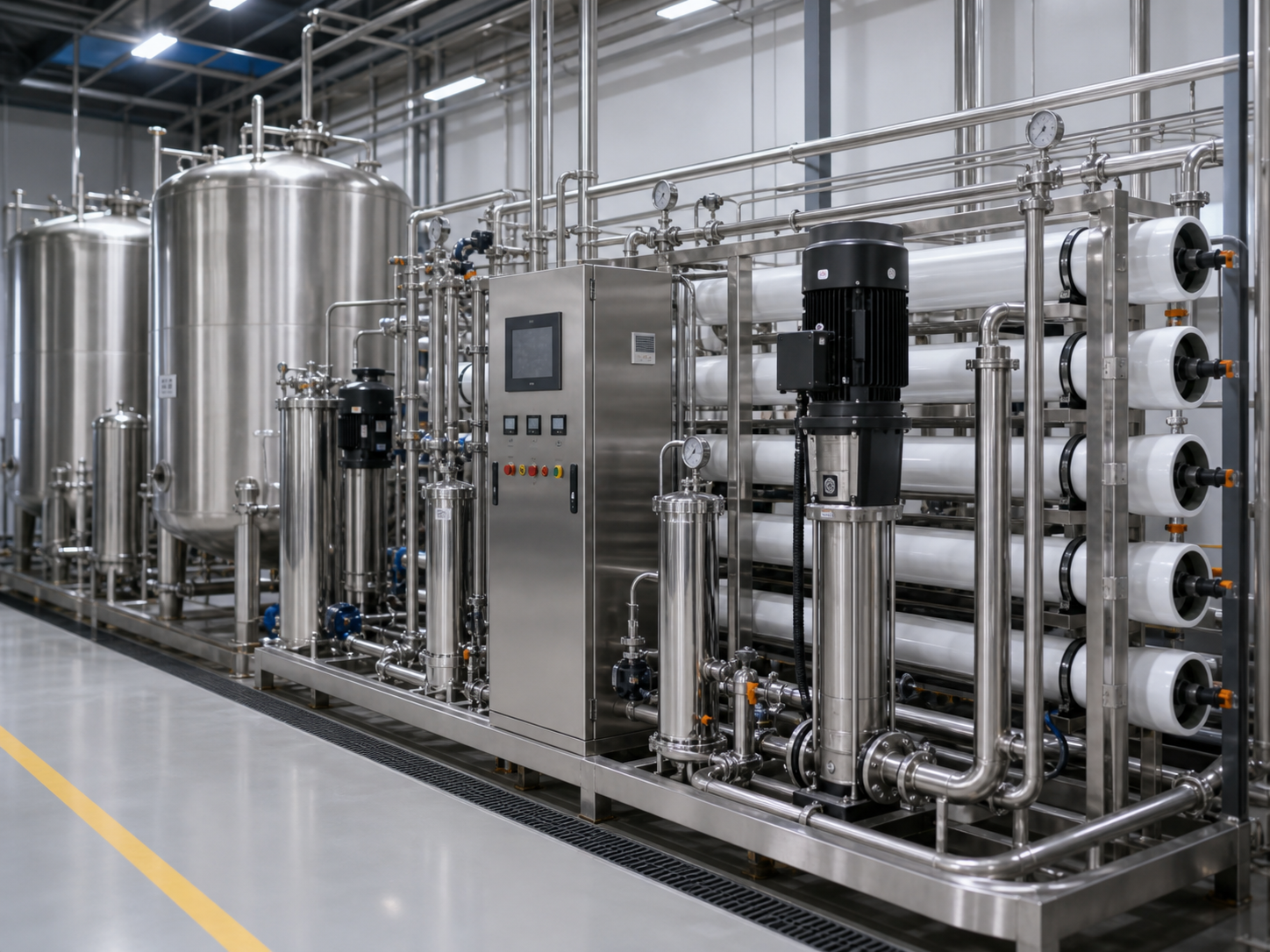
RO filtration, pretreatment, tanks and stainless pipework before beverage filling.
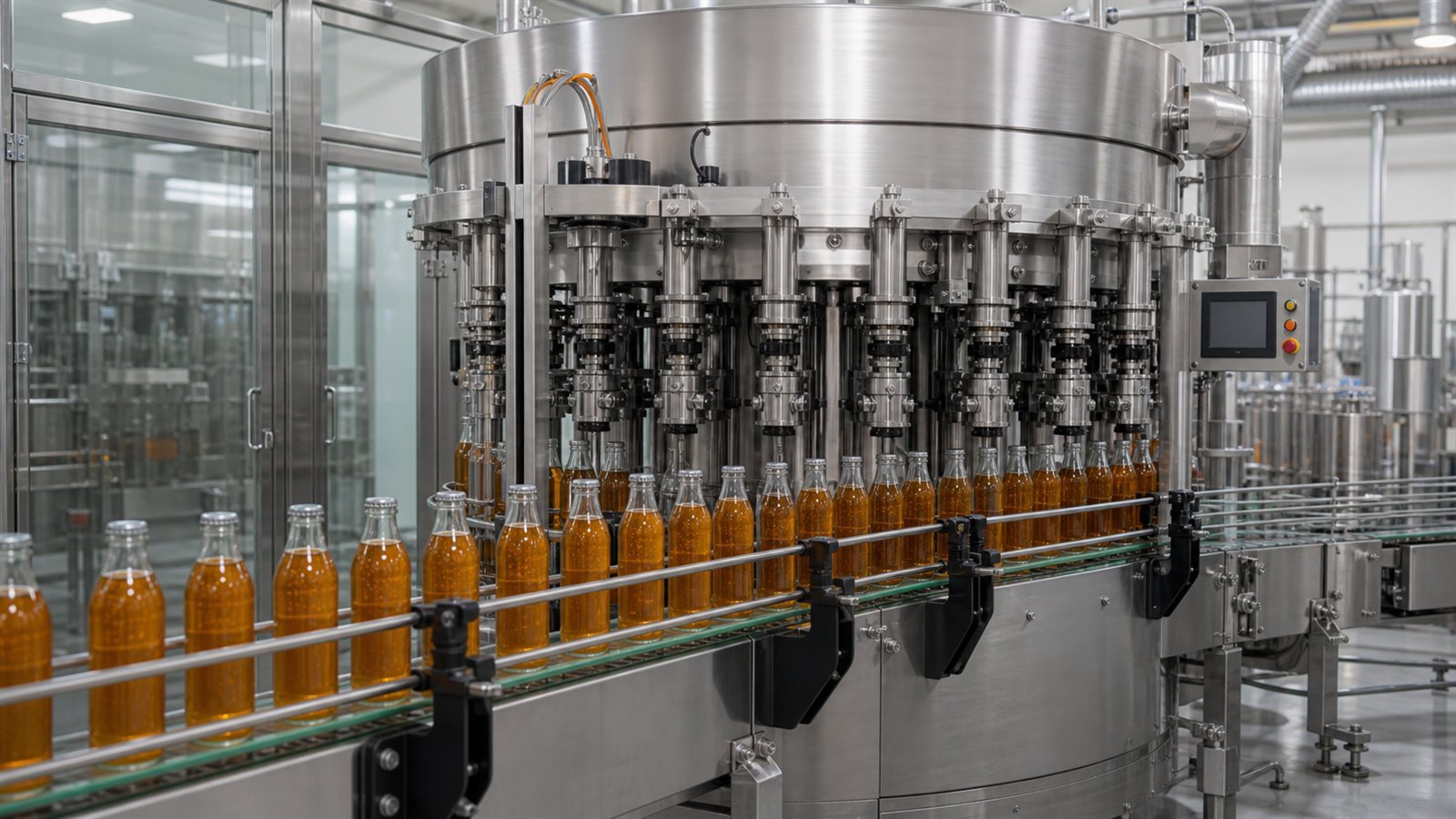
Isobaric filling and capping for soda, sparkling water and CSD.
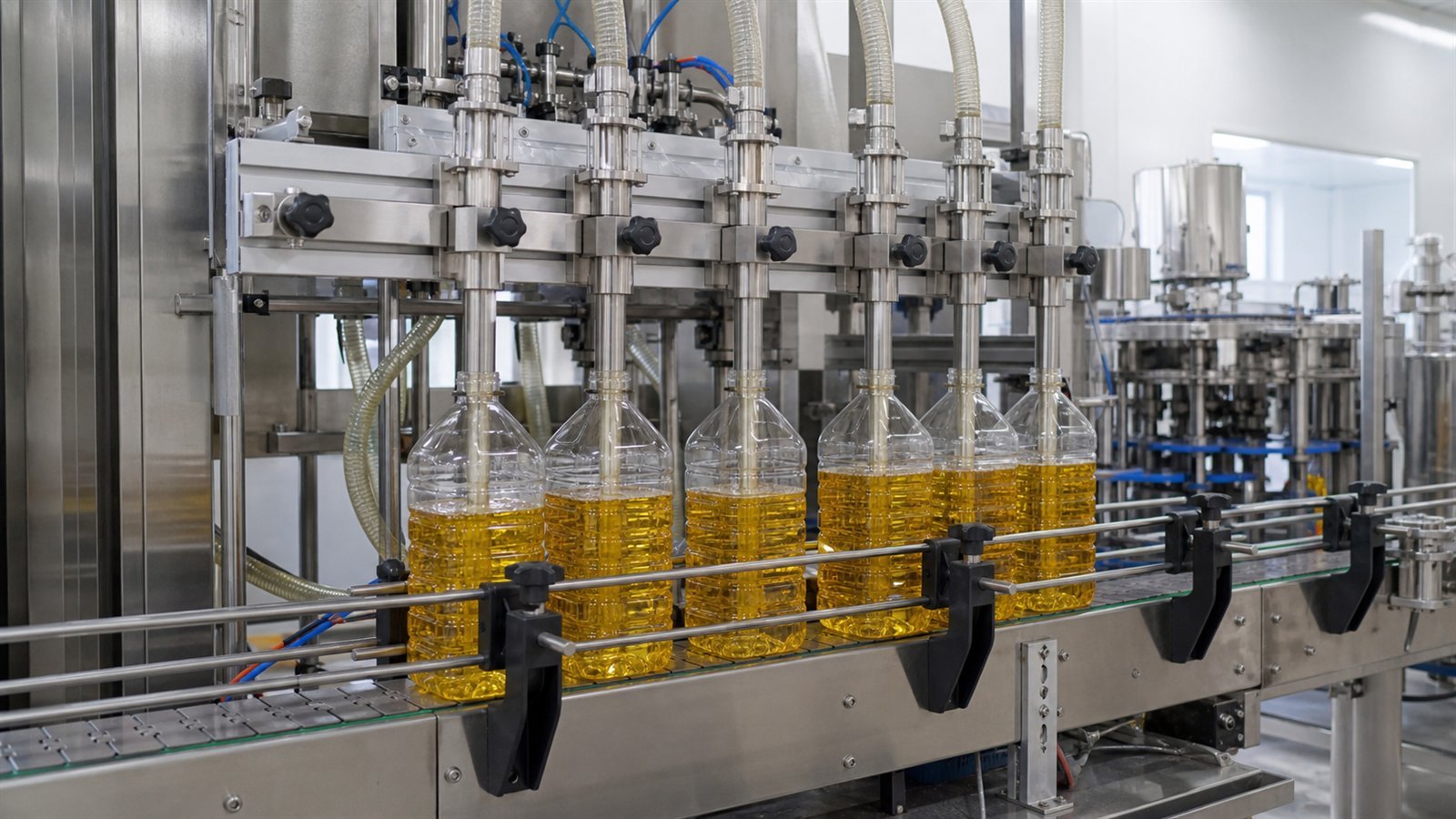
Volumetric or net-weight filling for edible oil and high-value liquid products.
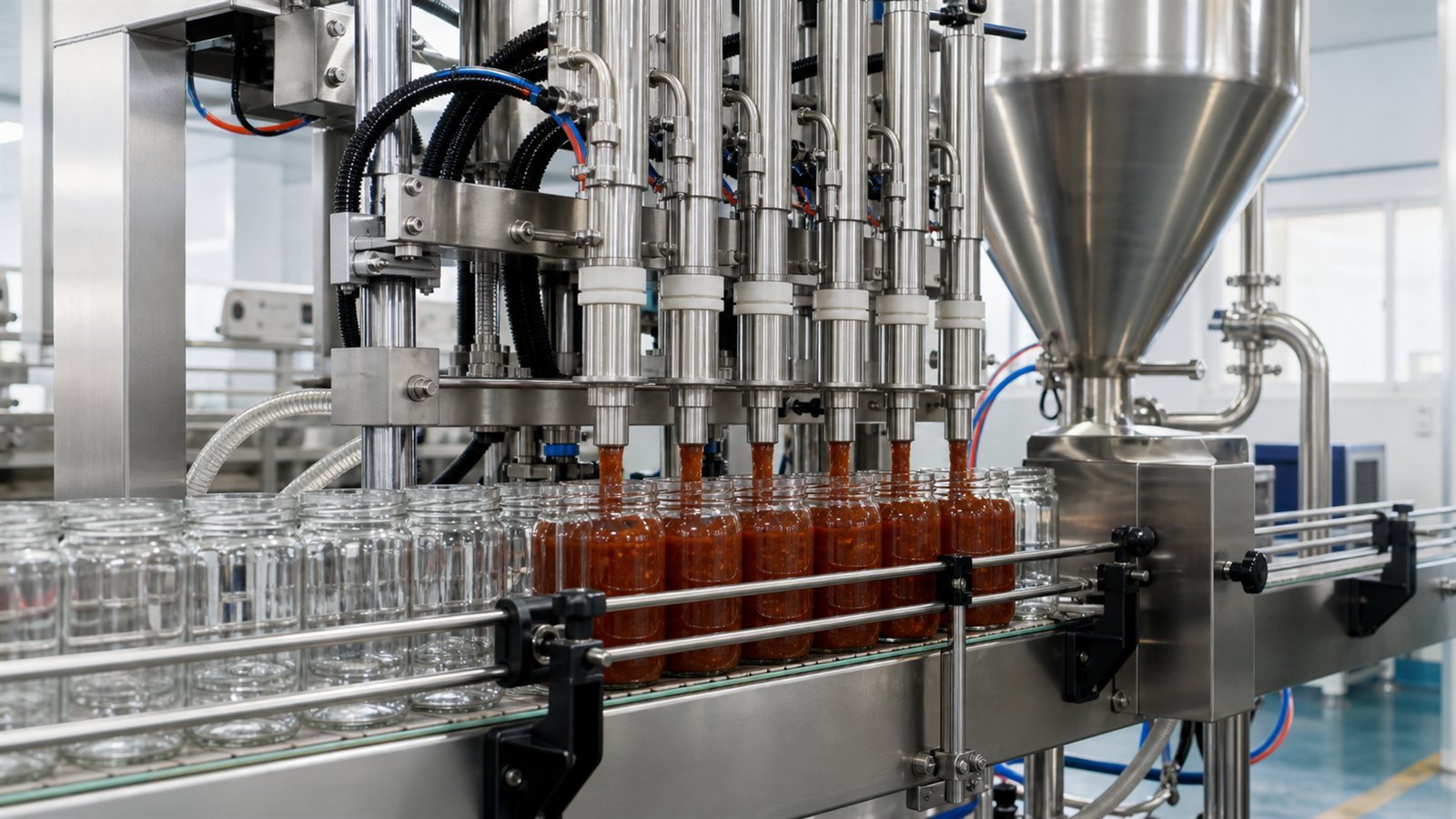
Piston filling for viscous products, jars, sauces and anti-drip nozzles.
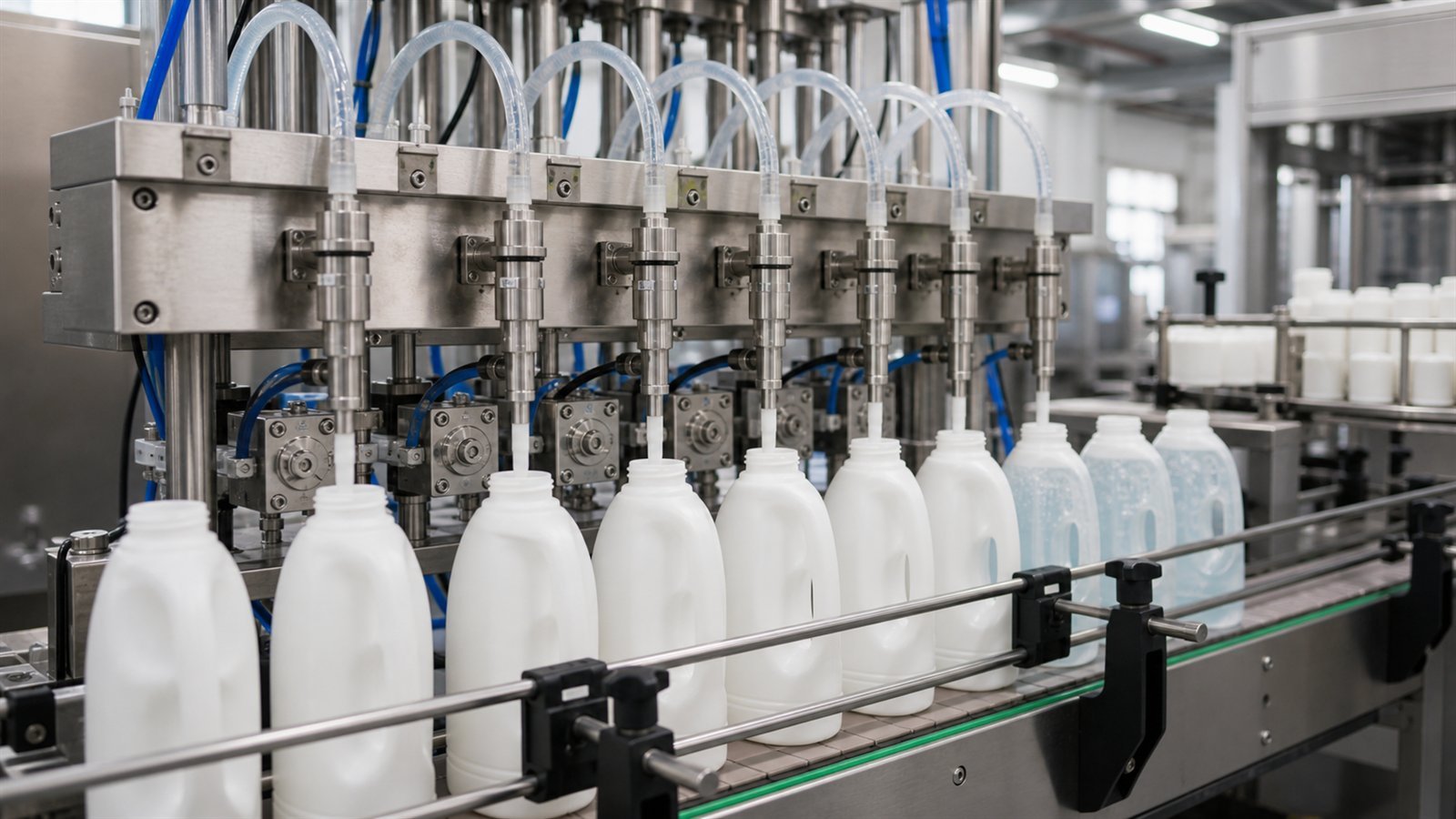
Pump filling for HDPE bottles, cleaners and personal care liquids.
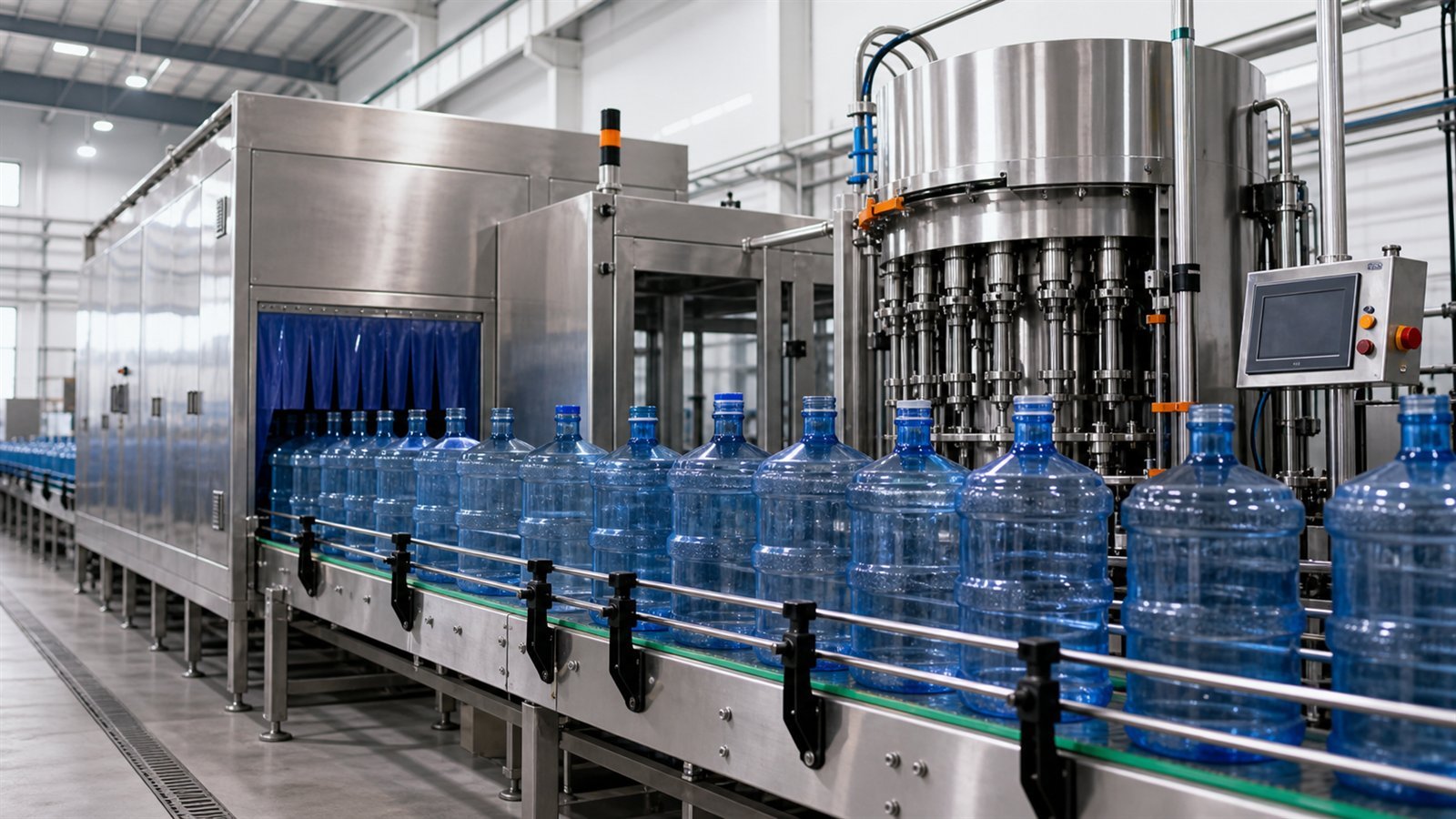
Large bottle washing, filling and capping for drinking water plants.
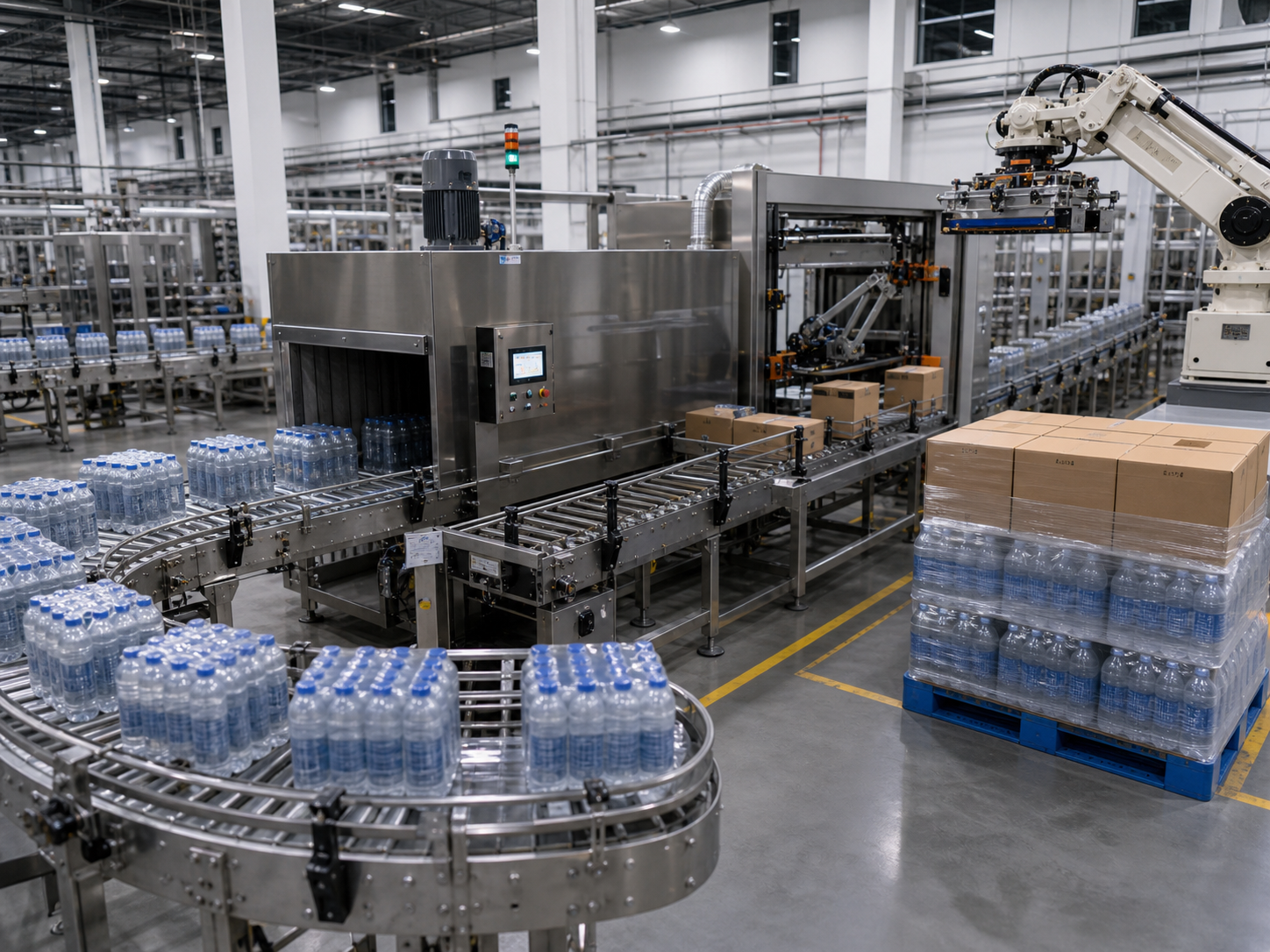
Shrink wrapping, carton packing, conveying and export-ready palletizing.
Select by liquid property first
Different liquids need different filling principles. Viscosity, foam, particles, temperature and container shape affect the real machine choice.
Water / Thin Liquid
Gravity, overflow or pump filling options for water-like products and clear bottles.
Juice / Tea / Non-Carbonated
Hot fill, room-temperature filling, pulp handling and cleaning requirements.
Carbonated Drink
Isobaric filling, CO2 retention, foam control and bottle or can compatibility.
Edible Oil
Piston, pump or net-weight filling for oil accuracy and anti-drip control.
Sauce / Paste / Viscous Liquid
Servo piston filling, heated hopper, mixing hopper and anti-drip nozzles.
Detergent / Daily Chemical
Foam control, corrosion-resistant contact parts and trigger or pump caps.
Cosmetic Liquid
Fill-level appearance, small containers, pumps, lotions and flexible changeover.
Chemical Liquid
Material compatibility, safety, sealing, labeling and carton packing choices.
Compare filling principles before asking for price
| Technology | Best for | Not ideal for | Key quotation details |
|---|---|---|---|
| Piston filling | Sauce, oil, lotion, syrup, medium to viscous liquid | Very foamy thin liquids if fill-level appearance matters | Viscosity, volume, particles, accuracy, head count |
| Servo piston filling | Higher accuracy and flexible recipes for viscous products | Ultra-low budget manual filling | Fill range, servo control, cleaning method, speed |
| Gravity filling | Water-like non-carbonated liquids | Thick liquids and high-value accuracy-critical products | Liquid flow, bottle size, target BPH, foaming |
| Overflow filling | Consistent fill level in transparent bottles | Liquids with particles or products sold by exact weight | Bottle opening, foam, fill level, return tank |
| Pump filling | Many liquid types with flexible container sizes | Products that react badly to pump shear | Pump type, viscosity, cleaning, accuracy |
| Net weight filling | Edible oil, high-value liquids, large containers | Very high-speed small bottles where rotary volumetric is better | Target weight, container tare, accuracy, speed |
| Isobaric filling | Carbonated drinks, sparkling water, soda | Still water or hot-fill juice lines | CO2 level, pressure, temperature, container |
| Hot filling | Juice, tea and heat-tolerant beverage products | Heat-sensitive packaging or formulas | Temperature, bottle material, cooling, CIP |
Build a filling and packaging cell around the bottle
This site focuses on the machine cell around filling, capping, labeling and packing, not only complete beverage factory planning.
Filling machine selection by industry
Beverage Filling
Water, juice, tea, carbonated drink and functional beverage filling choices.
Food & Sauce Filling
Viscous sauce, paste, jar filling, anti-drip nozzles and heated hoppers.
Edible Oil Filling
Volumetric or net weight filling for edible oil and high-value liquid products.
Cosmetic Liquid Filling
Overflow, pump or piston filling for cosmetics, lotion and small containers.
Detergent & Daily Chemical
Foaming control, HDPE/PET bottles, trigger caps and carton packing.
Chemical Liquid Filling
Material compatibility, safety, sealing and labeling requirements.
What affects filling machine cost?
Cost depends on liquid viscosity, foam, particles, hot or cold filling, carbonation, container size, filling accuracy, target output, filling heads, linear or rotary structure, capping, labeling, contact materials, cleaning method, voltage, destination country and packing needs.
Why not quote by machine name only?
A filling machine quotation depends on the real liquid, bottle, cap, speed, accuracy, cleaning, labeling and packing requirements. Quoting only by machine name often leads to wrong selection.
Technical guides for better RFQ details
How to Choose a Liquid Filling Machine
Start with viscosity, foaming, particles, container and required accuracy.
Piston vs Gravity vs Overflow
Compare dosing logic, fill appearance and best-fit applications.
Filling Machine Cost Factors
Understand what changes machine price before asking for a quotation.
Viscous Liquid Filling Guide
Sauce, paste, oil, lotion and thick product selection logic.
Bottle Filling Line Equipment List
Filling, capping, sealing, labeling, coding, packing and conveyors.
Capping Machine Selection Guide
Match caps, torque, cap sorting and bottle neck details.
Prepare a clear filling machine quotation request
Before asking for price, prepare liquid type, viscosity, bottle/container size, cap type, output target, filling accuracy, required packaging equipment, destination country, budget and timeline.
More equipment families for beverage and liquid packaging projects
Explore the equipment families used to build complete beverage and liquid packaging projects, from upstream preparation to end-of-line packing.
Complete Water Bottling LineWater treatment, bottle blowing, rinsing, filling, capping, labeling and packing.
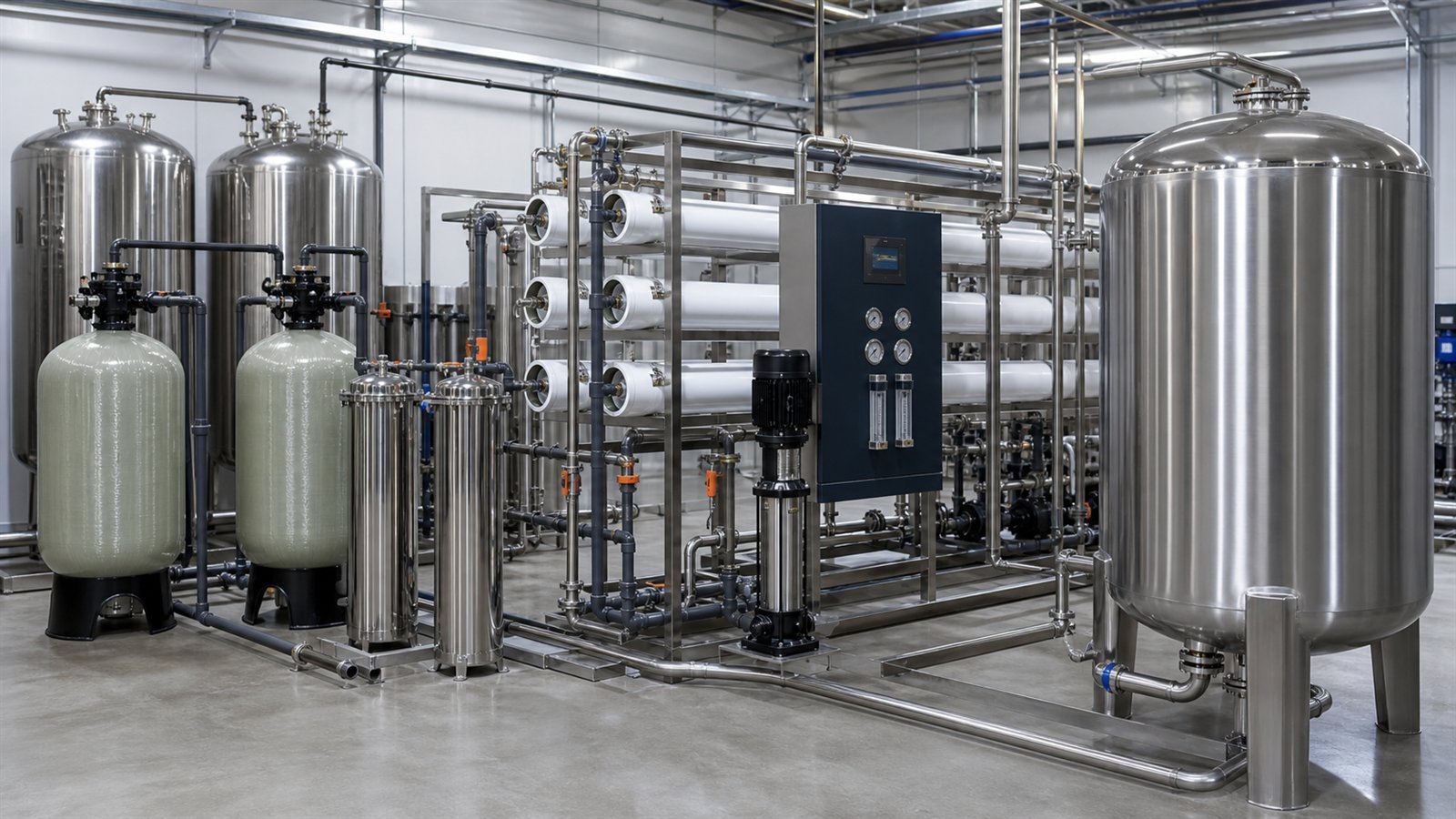 Water Treatment System
RO, filtration, pumps, tanks and stainless pipework before beverage filling.
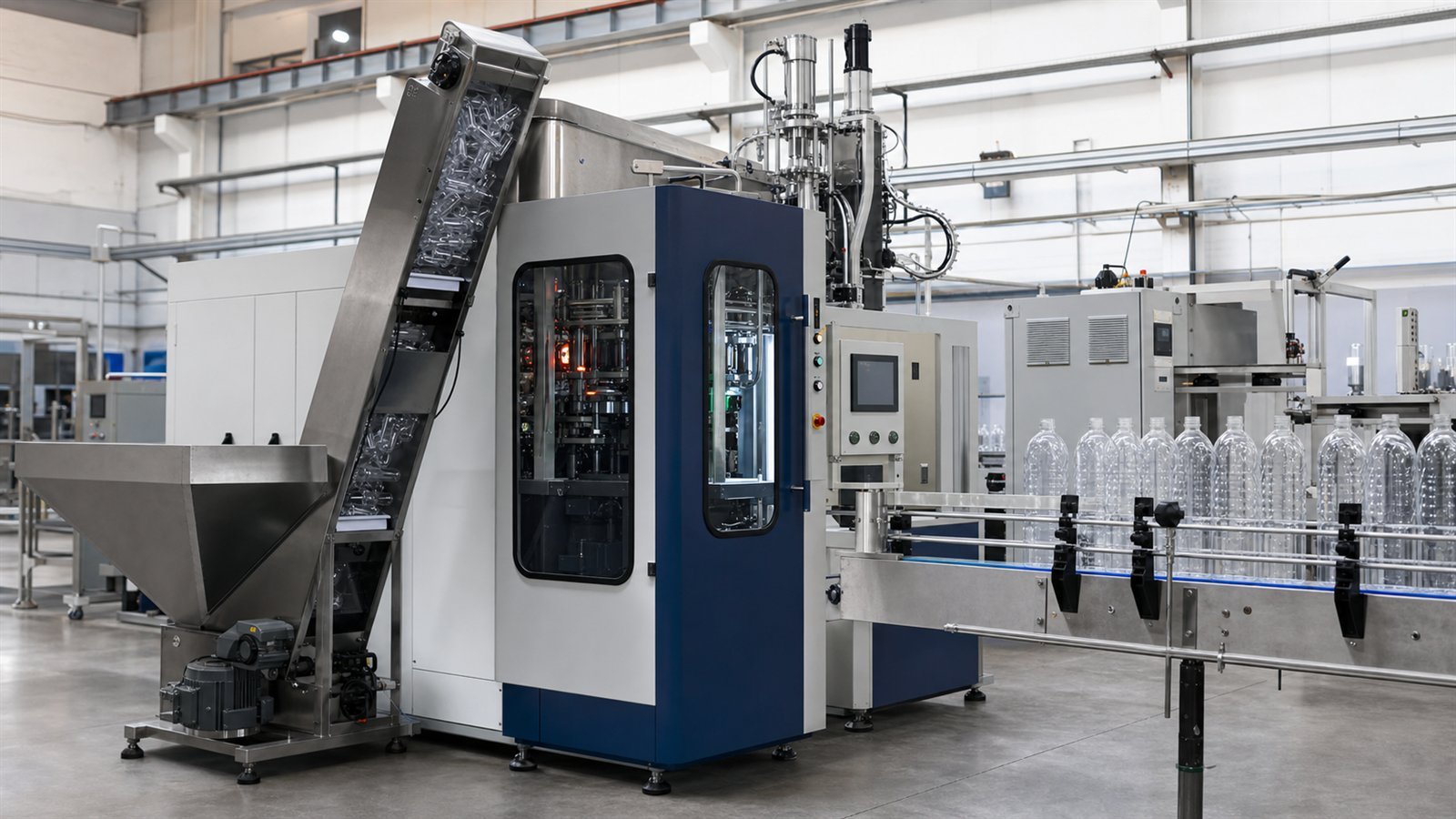 Bottle Blowing Machine
PET bottle blowing and air conveyor matching before filling.
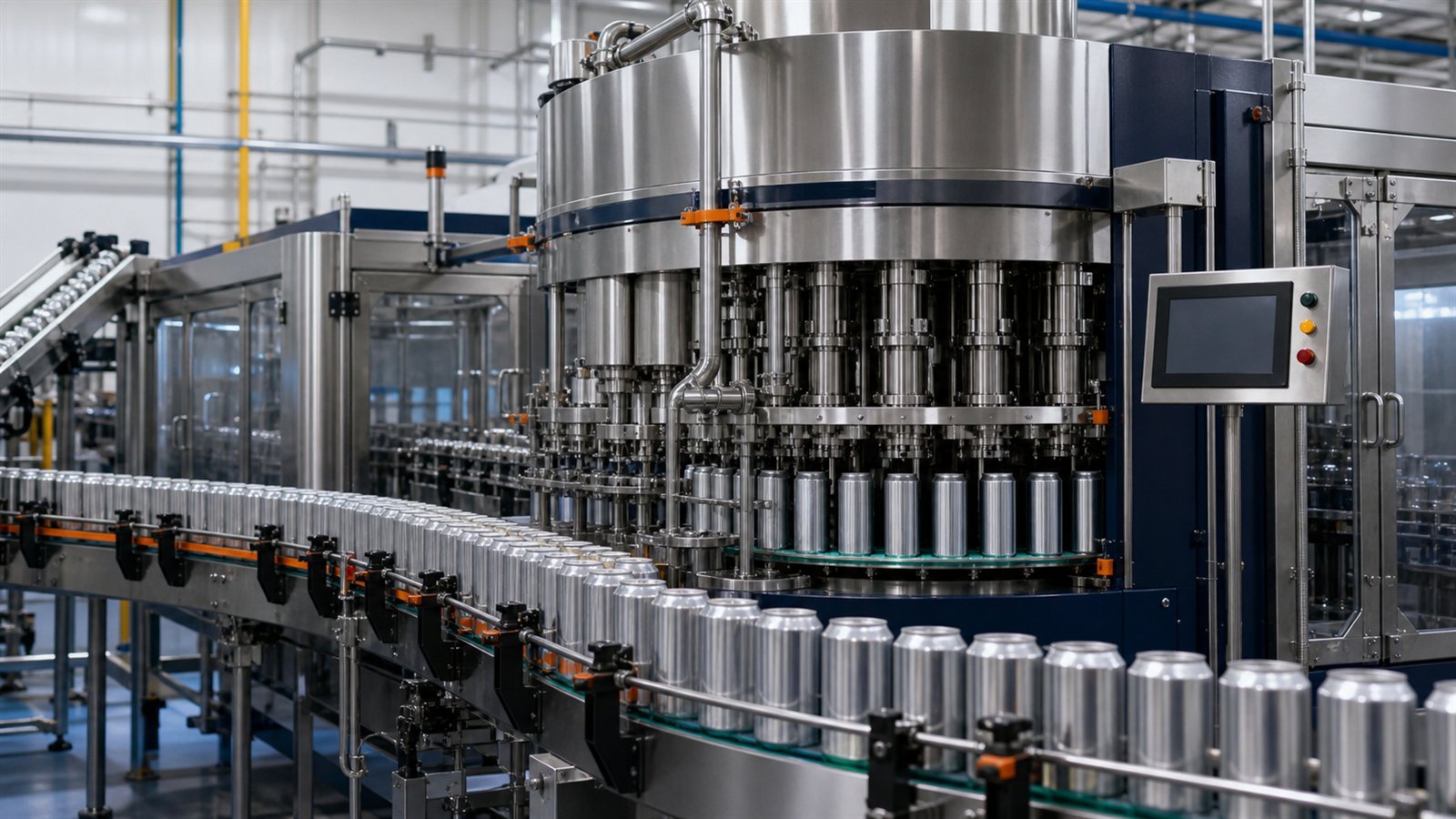 Carbonated Drink Filling Line
Isobaric filling and capping for sparkling water, soda and CSD products.
Juice & Tea Filling LineHot fill or room-temperature filling for juice, tea and non-carbonated drinks.
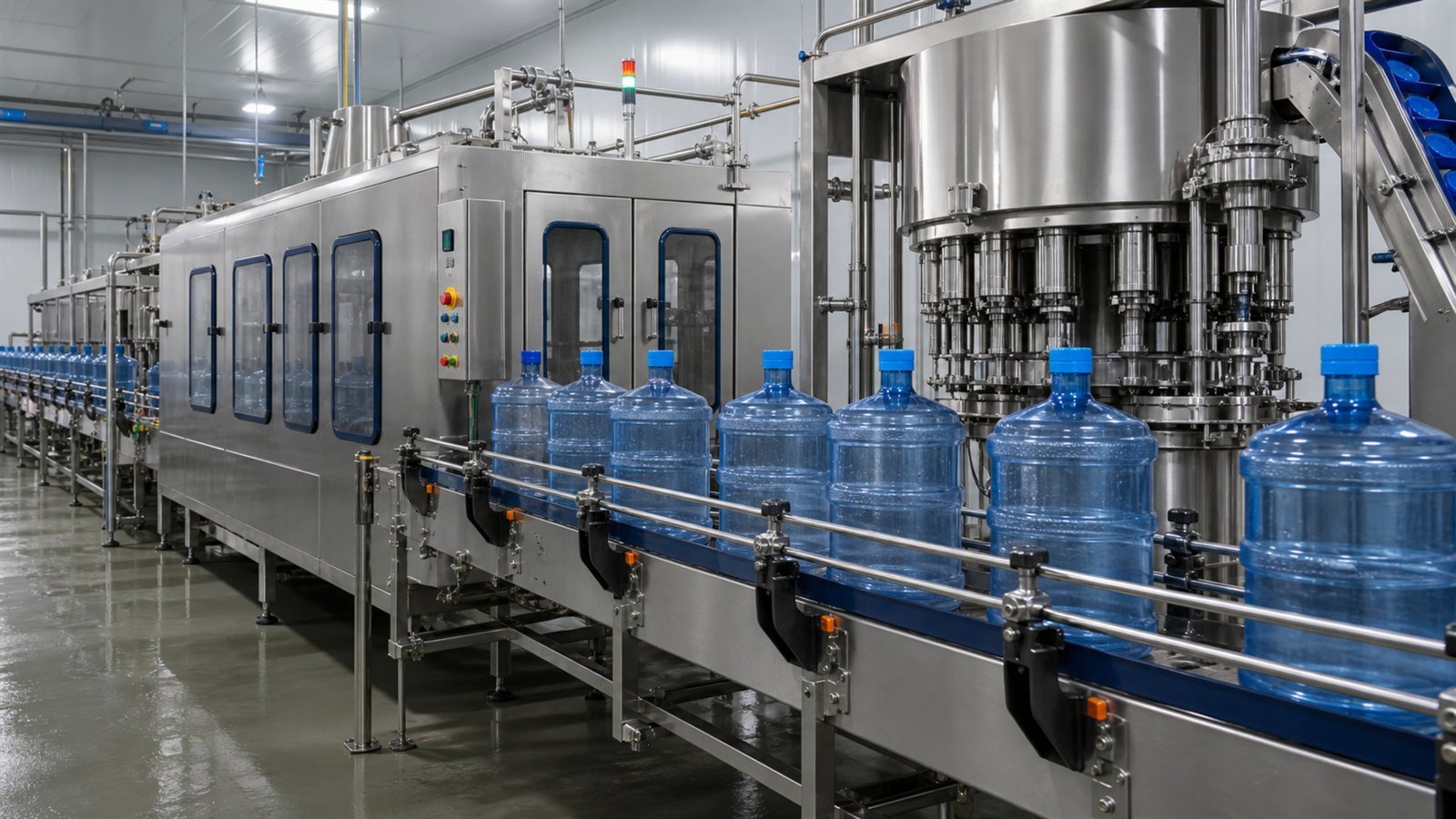 5 Gallon Water Line
Bottle washing, filling and capping for large drinking water containers.
Edible Oil Filling MachineVolumetric or net-weight filling for edible oil and high-value liquids.
Condiments Filling MachinePiston filling for sauce, jam, honey, syrup and viscous food products.
Daily Chemical Filling MachinePump filling, capping and labeling for cleaners and personal care products.
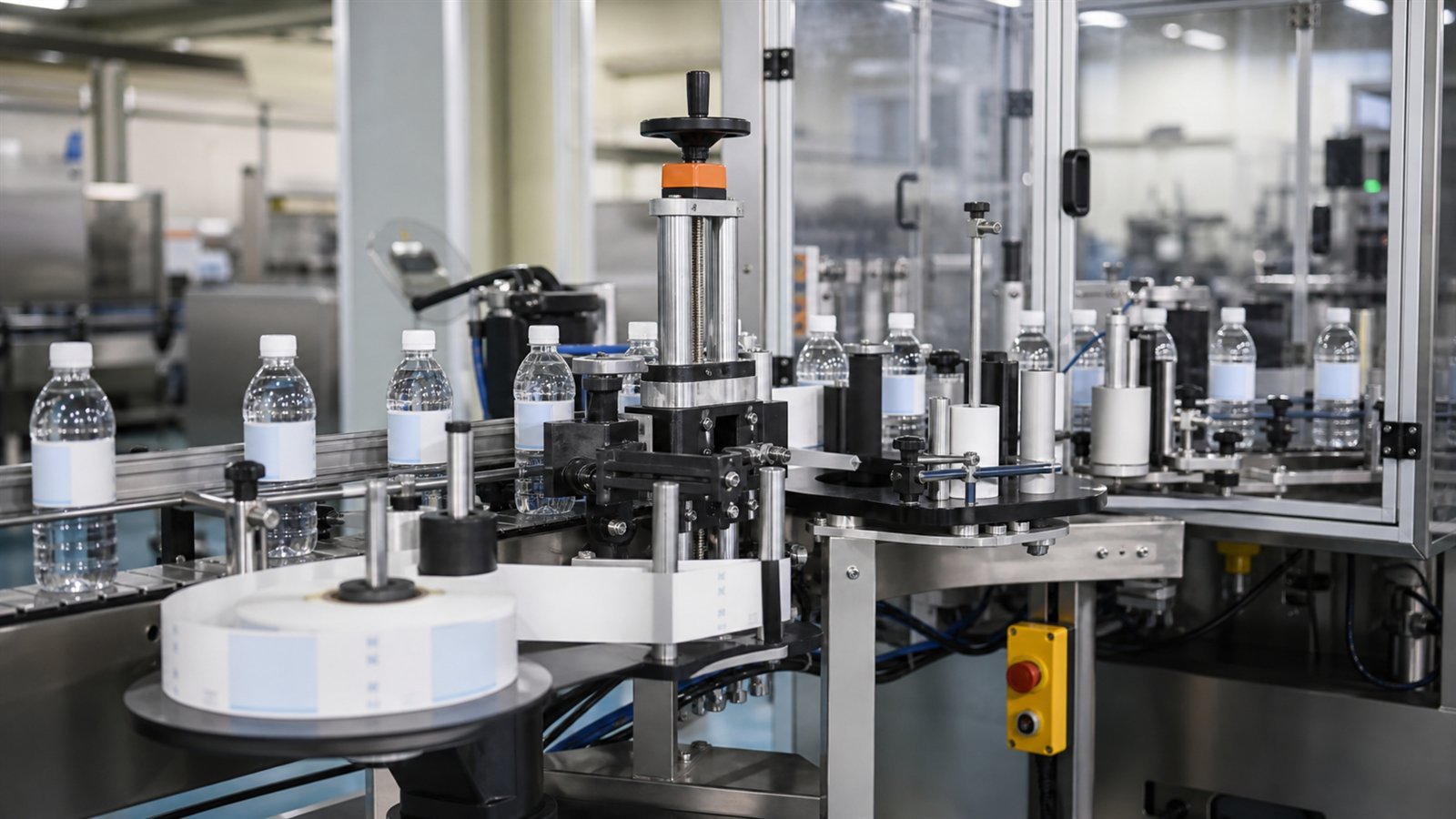 Capping Machine
Cap sorting, screw capping, press capping and torque control.
Labeling MachineSticker labeling, shrink sleeve labeling and bottle orientation options.
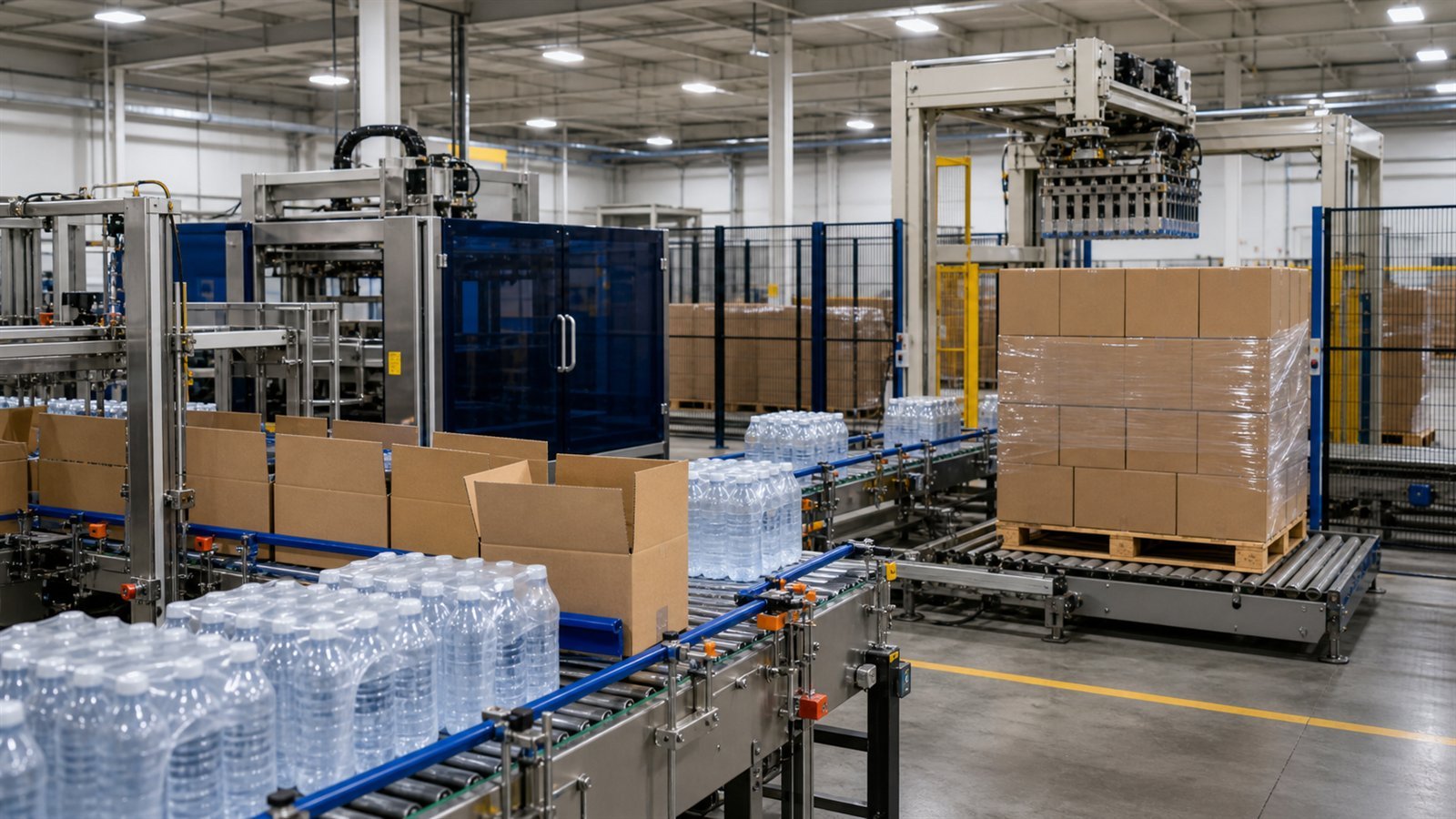 Bottle Packing Machine
Shrink wrapping, carton packing and end-of-line handling.
Choose by project type, not only by machine name
Many buyers do not start with a perfect equipment list. We help translate product, bottle, capacity, cap and packing requirements into a practical China sourcing plan.
New Bottled Water PlantFrom treatment to finished packs for start-up and mid-size factories.
Juice, Tea and Functional DrinksBottle preparation, hot fill, cap sealing and label/packing match.
Carbonated Drink ProjectCSD filling line selection with carbonation, pressure and cap handling.
5 Gallon Water FactoryLarge bottle washing, filling and capping configuration from China.
Packing Line UpgradeAdd labeling, coding, shrink wrapping, carton packing or palletizing.
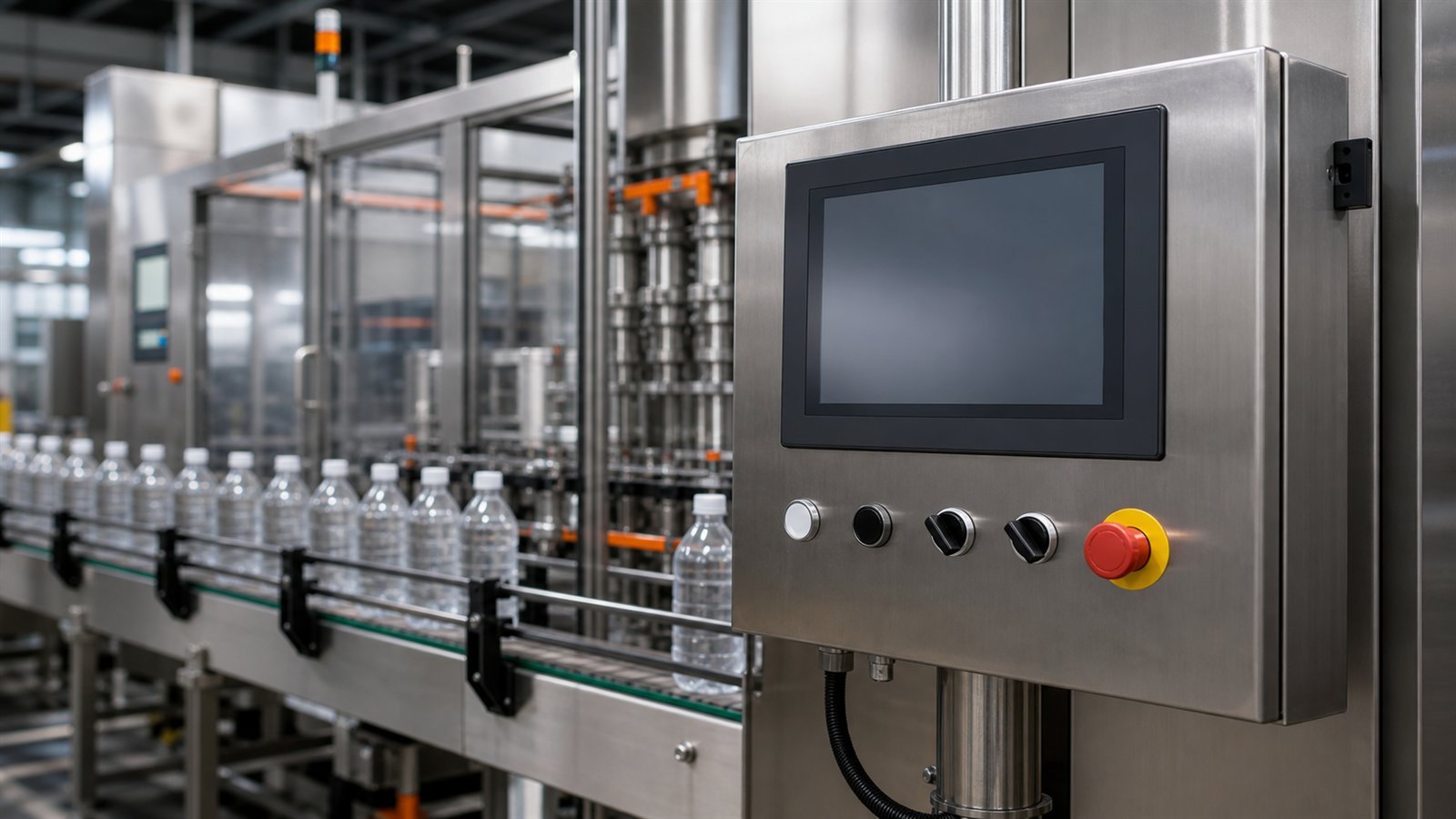 Inspection and Export Check
Visual confirmation, packing photos and shipping document coordination.
Practical selection support before quotation
Estimate machine scope by capacity, bottle size, filling technology and packaging level.
Check water, air, power, floor space, conveyors and future expansion.
Match filling, capping, labeling, coding, packing and treatment modules.
Use photos, videos, drawings and checklists before production and shipment.
Confirm contact material, electrical standard, packing method and test videos.
Coordinate export packing, documents, shipping method and destination needs.
Prepare manuals, wiring, commissioning points and remote communication.
Keep spare-parts logic and troubleshooting contact available after delivery.
Send these details for a useful recommendation
| Product | Water, juice, tea, carbonated drink, oil, sauce, detergent, cosmetics, dairy or other liquid. |
|---|---|
| Container | PET bottle, glass bottle, jar, can, HDPE bottle, gallon bottle; size, neck, cap and label type. |
| Capacity | Bottles per hour, filling volume, number of SKUs and expected shift time. |
| Line Scope | Only filling machine, or treatment, blowing, capping, labeling, coding, packing and conveyors together. |
| Destination | Country, voltage, shipping preference and installation support needs. |
Send product, bottle and capacity details
Allot Tech (Suzhou) Co., Ltd. was founded in 2019. We honestly combine new-media communication and China manufacturing export sourcing so global buyers can find practical equipment options.
Email: sales@allottech.com
USA: +1 818 262 0958
China: +86 186 6213 1120
One-Stop Beverage Equipment Solutions | We Ship Worldwide from China
Buyer Engineering Library
Focused filling and packaging decision guides
Follow connected engineering topics to define the liquid, package, capacity, factory conditions, acceptance method and international delivery scope before comparing quotations.
Filling Method Selection
Compare liquid filling principles by viscosity, foam, particles, container behavior, target accuracy and cleaning needs before choosing a machine structure.
Beverage and Liquid Applications
Start with the product recipe and package. Each beverage or liquid application changes treatment, filling, sanitation, closure and end-of-line requirements.
Containers and Closures
Match bottle, can, jar, pouch and closure details to machine handling, filling nozzle, capping or sealing and changeover requirements.
Capacity and Line Engineering
Translate sales demand into bottles per hour, machine cycle, accumulation, utilities, floor space and practical expansion capacity.
Water and Process Treatment
Design treatment and product preparation from laboratory data, finished-product targets, hygienic storage, cleaning and actual line demand.
Packaging and End of Line
Connect bottle making or feeding, capping, labeling, coding, inspection, shrink wrapping, carton packing and pallet handling to the filler.
Cost, RFQ and Procurement
Build comparable quotations by defining scope, commercial terms, delivery responsibilities, acceptance evidence and lifetime support before comparing price.
Factory Readiness and Commissioning
Prepare the building, utilities, hygiene zones, acceptance tests, installation, training and operating documents before the line arrives.
Operations and Troubleshooting
Diagnose filling, capping, labeling and conveyor problems from evidence, one variable at a time, while preserving safety and product quality.
Export and International Delivery
Prepare technical standards, documents, packing, shipment, remote support, warranty boundaries and destination compliance questions before export.
PET Bottle Blowing and Preform Engineering
Plan PET preforms, bottle geometry, molds, compressed air, thermal process windows, inspection and filler transfer as one packaging system.
Capping and Closure Application
Match screw caps, press-on closures, ROPP caps, sports caps, sorting, feeding, torque, sterilization and inspection to the container finish.
Labeling Coding and Package Inspection
Select label application, coding, vision inspection and reject systems around the real container, material, artwork, speed and traceability requirement.
CIP Hygiene and Sanitary Design
Define cleanable circuits, flow, chemistry, temperature, drainability, product change control and verification before accepting a food or beverage process.
Juice Tea and Functional Beverage Processing
Connect ingredient handling, blending, deaeration, thermal treatment, hygienic filling and cooling for juice, tea and functional beverages.
Carbonated Beverage Process Engineering
Engineer water, syrup, chilling, carbonation, counter-pressure filling, closure application and package stabilization as one carbonated beverage process.
Dairy and Plant-Based Beverage Filling
Plan formulation, homogenization, thermal processing, sterile or hygienic storage, filling and cleaning for dairy and plant-based beverages.
Edible Oil Sauce and Viscous Food Filling
Select dosing, product feed, anti-drip nozzles, particle passages, heating, container handling and closure systems for oils, sauces, syrups and pastes.
Beer Wine and Alcoholic Beverage Packaging
Control oxygen, carbonation, temperature, package preparation, filling and closure application for beer, wine, spirits and compatible alcoholic beverages.
Can Filling and Metal Packaging Lines
Plan can supply, rinsing, filling, seaming, inspection, pasteurization and secondary packaging around the beverage and can format.
Glass Bottle Handling and Filling
Control glass depalletizing, inspection, washing, filling, closure, breakage and returnable-container hygiene throughout the line.
3 to 5 Gallon and Large Bottle Water Lines
Plan returnable-bottle inspection, decapping, external and internal washing, filling, cap sanitation, bagging and rack handling for large water containers.
Small Scale and Startup Filling Projects
Choose a practical first line by matching product risk, daily demand, labor, utilities, changeovers, budget and a defined path for later automation.
High Speed Automation and Line Controls
Coordinate machine controls, accumulation, recipes, inspection data, OEE, remote support and cybersecurity for stable high-output packaging.
Energy Utilities and Sustainable Production
Measure electricity, compressed air, water, heat and packaging material at real production conditions before selecting practical reduction projects.
Quality Assurance and Packaging Compliance
Turn product, package, machine and destination requirements into measurable specifications, controlled tests, records and change decisions.
Maintenance Spares and Lifecycle Planning
Build maintainable equipment through accessible design, planned tasks, critical spares, documented software, operator care and lifecycle review.
Factory Layout Warehousing and Material Flow
Coordinate process rooms, packaging lines, utilities, drainage, people, forklifts, raw materials, finished goods and future expansion on one site plan.
Commercial Terms Shipping and Project Risk
Control technical clarifications, contract changes, inspections, payment evidence, cargo risk, documentation and closeout for international machinery projects.