
Juice and tea filling machine for hot fill beverages, tea drinks and functional drinks, with matching bottle handling, labeling and packing systems from China.
Juice & Tea Filling Machine
Hot filling machinery for juice, tea drinks, functional beverages and other non-carbonated drinks requiring controlled filling and beverage packaging.
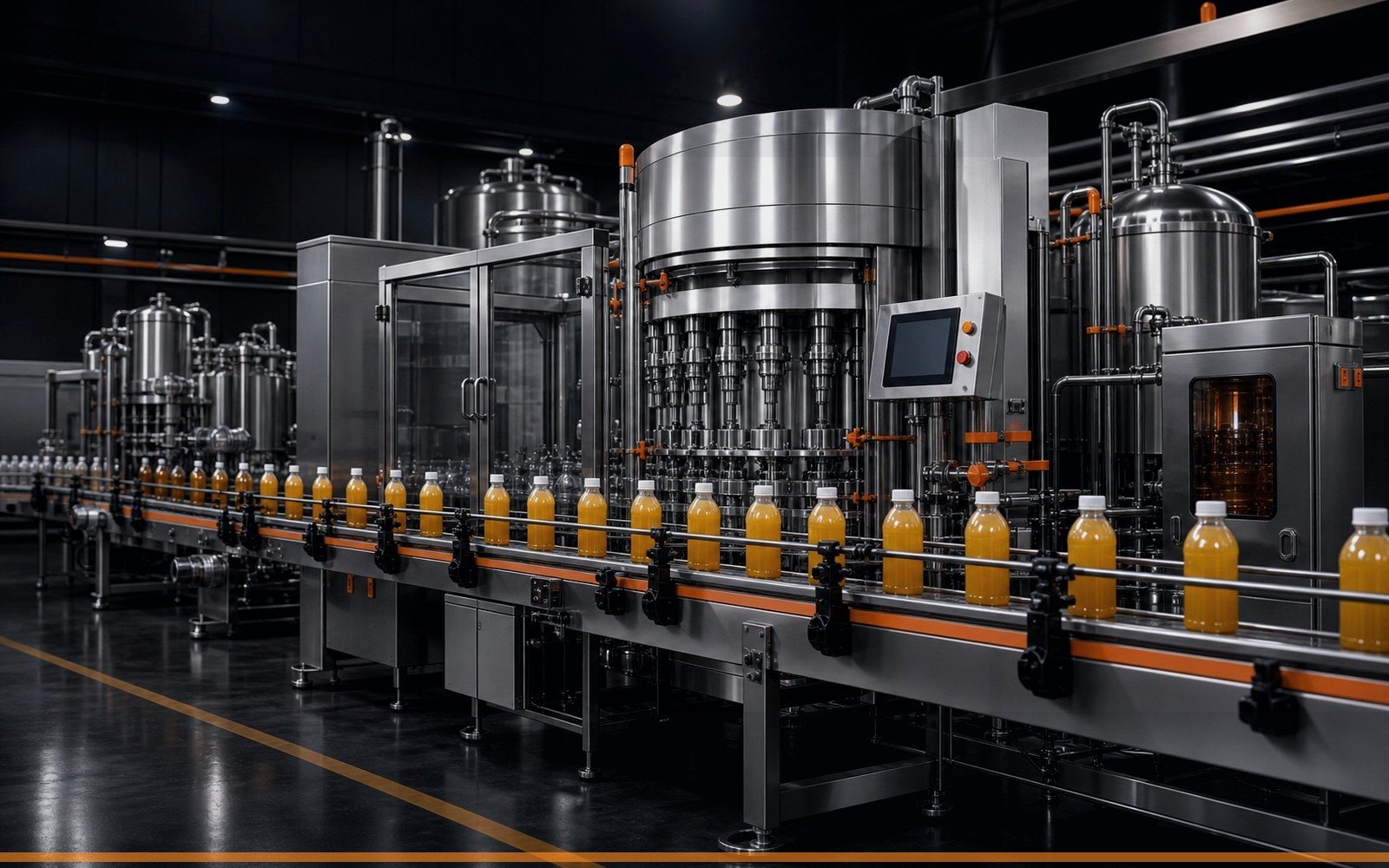
Hot Fill Solution for Beverage Producers
The juice and tea filling machine is suitable for non-carbonated beverage products that require hot filling, bottle rinsing, capping, cooling, labeling and final packing.
Main Features
Hot Fill Process
Designed for juice, tea and functional drinks.
Beverage Line Integration
Can be matched with processing tanks and sterilization.
Product Adaptability
Supports different bottle volumes and closures.
Typical Line Configuration
| Application | Juice, tea drinks, flavored beverages and non-carbonated beverages |
|---|---|
| Containers | PET bottles or suitable beverage containers |
| Capacity | Customized by bottle volume and output |
| Optional Equipment | Processing, sterilization, cooling, labeling, packing |
What We Need to Quote
- Product type, bottle or container size, cap type and packaging format.
- Target output per hour and working shifts per day.
- Factory layout, voltage, compressed air and water source conditions.
- Whether you need a single machine or a complete turnkey beverage production line.
Need a juice or tea filling machine?
Contact Allot Tech at sales@allottech.com, +1 818 262 0958 or +86 186 6213 1120 for a practical machine recommendation.
Practical Notes for Juice & Tea Filling Machine Buyers
When comparing juice and tea filling machine suppliers in China, the most reliable quotation starts from real production conditions, not only a machine name. Allot Tech checks product characteristics, package format, output target, utilities, layout and export requirements before recommending a beverage machinery solution.
Best-fit applications
This page is most relevant for hot-fill juice, tea drinks and functional beverage projects. We can help compare machine configuration, matching upstream and downstream equipment, and the practical space needed for installation.
How we match equipment
We review filling temperature, bottle material, sterilization plan and shelf-life target. This helps avoid under-sized machines, unnecessary automation, missing conveyors, weak packaging plans or shipment problems after the order is placed.
Quote checklist
- Product and bottle or package size
- Target capacity per hour or per day
- Cap, label and packing style
- Factory layout, voltage and destination country
Common Questions About Juice & Tea Filling Machine
How do I choose the right juice and tea filling machine?
Start with the product, container size, target capacity, available utilities and factory space. Allot Tech uses these details to match the filling, packing and auxiliary equipment instead of recommending a machine only by price.
Can this juice and tea filling machine be shipped worldwide from China?
Yes. We can coordinate packing, export documents and international shipment from China. Buyers can contact sales@allottech.com with destination country and project requirements.
What information is needed for a quotation?
Please send product type, bottle or container drawings, output target, cap or label style, factory layout if available and any preferred automation level.
Juice and tea filling machine selection for hot-fill and ultra-clean lines
Juice, tea and functional beverages need process planning around formula, filling temperature, sterilization, bottle material, cap sterilization, cooling tunnel and CIP cleaning. These details affect both shelf life and machine cost.
Quotation details buyers should prepare
- Product formula, pH, sugar content, pulp or particle content and shelf-life target.
- PET or glass bottle type, heat resistance, cap type and label material.
- Hot fill, cold fill, ultra-clean or aseptic process requirement.
- CIP system, sterilizing system, cooling tunnel, labeling and packing scope.
Plan hygiene and cleaning procedures.
Aseptic ultra-clean fillingCompare higher hygiene filling options.
Glass bottle juice fillingFor glass bottle juice and tea.
FAQ
Does juice filling need hot filling?
Many juice and tea products use hot filling, but the correct process depends on formula, pH, packaging and shelf-life target.
Why is CIP important for juice and tea lines?
CIP helps clean tanks, pipelines and product contact surfaces, reducing residue and improving hygiene management for beverage production.
Juice and tea line buyer answer
What changes when a filling line handles juice or tea?
A juice or tea filling line must be planned from the validated product process, not from the filler alone. Formula, acidity, Brix, pulp, oxygen sensitivity, filling temperature, bottle heat resistance, closure and shelf-life method can change preparation, filtration, deaeration, homogenization, thermal treatment, buffer tanks, hot filling, inversion or hold, cooling and clean-in-place requirements. The beverage owner remains responsible for formulation, process validation and destination-market compliance; the machinery scope should state the agreed operating basis and interfaces. A useful proposal also separates conditions that can be proven during factory testing from product validation and shelf-life work that must occur with the final recipe at the buyer site.
Page updated 30 August 2026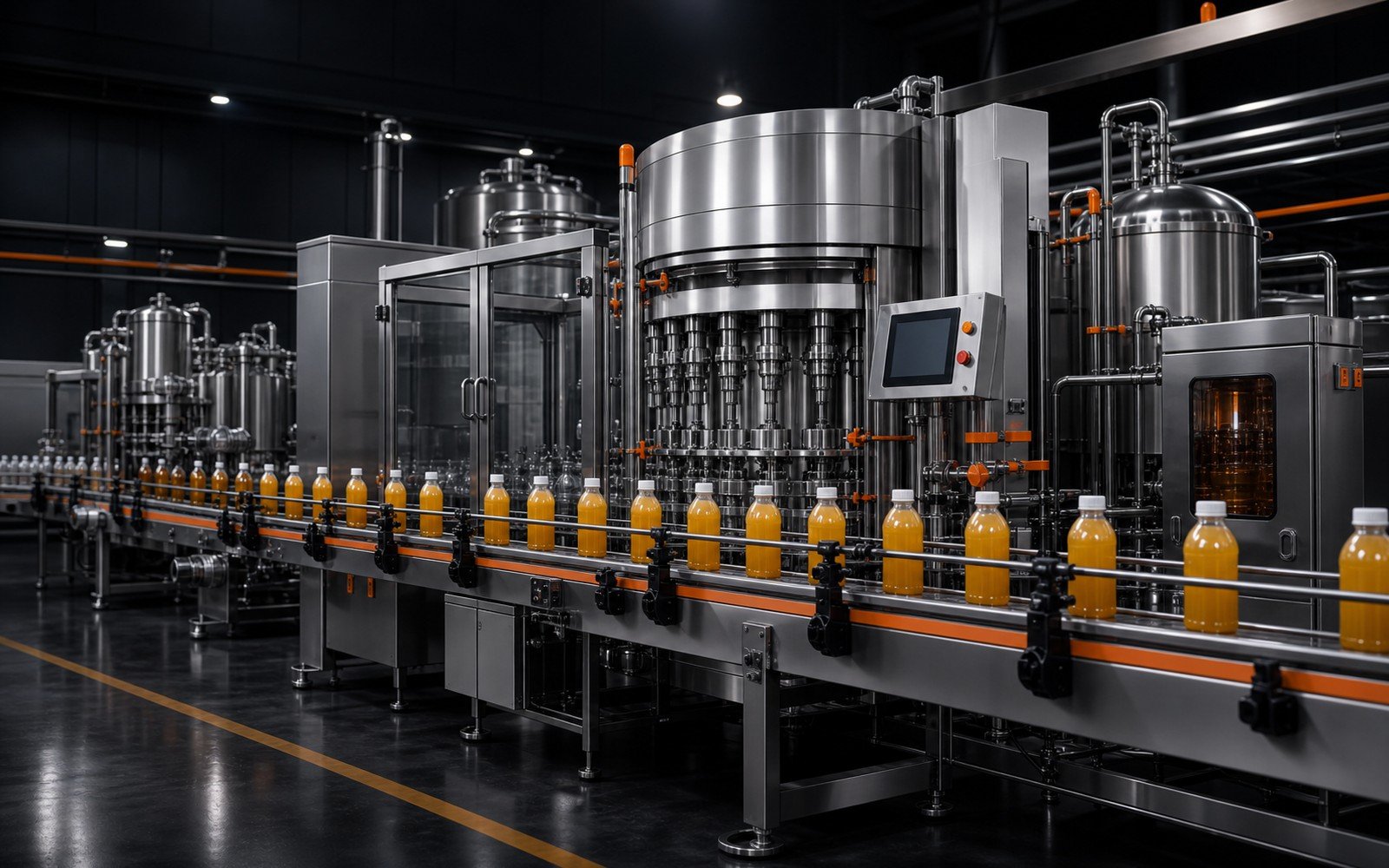
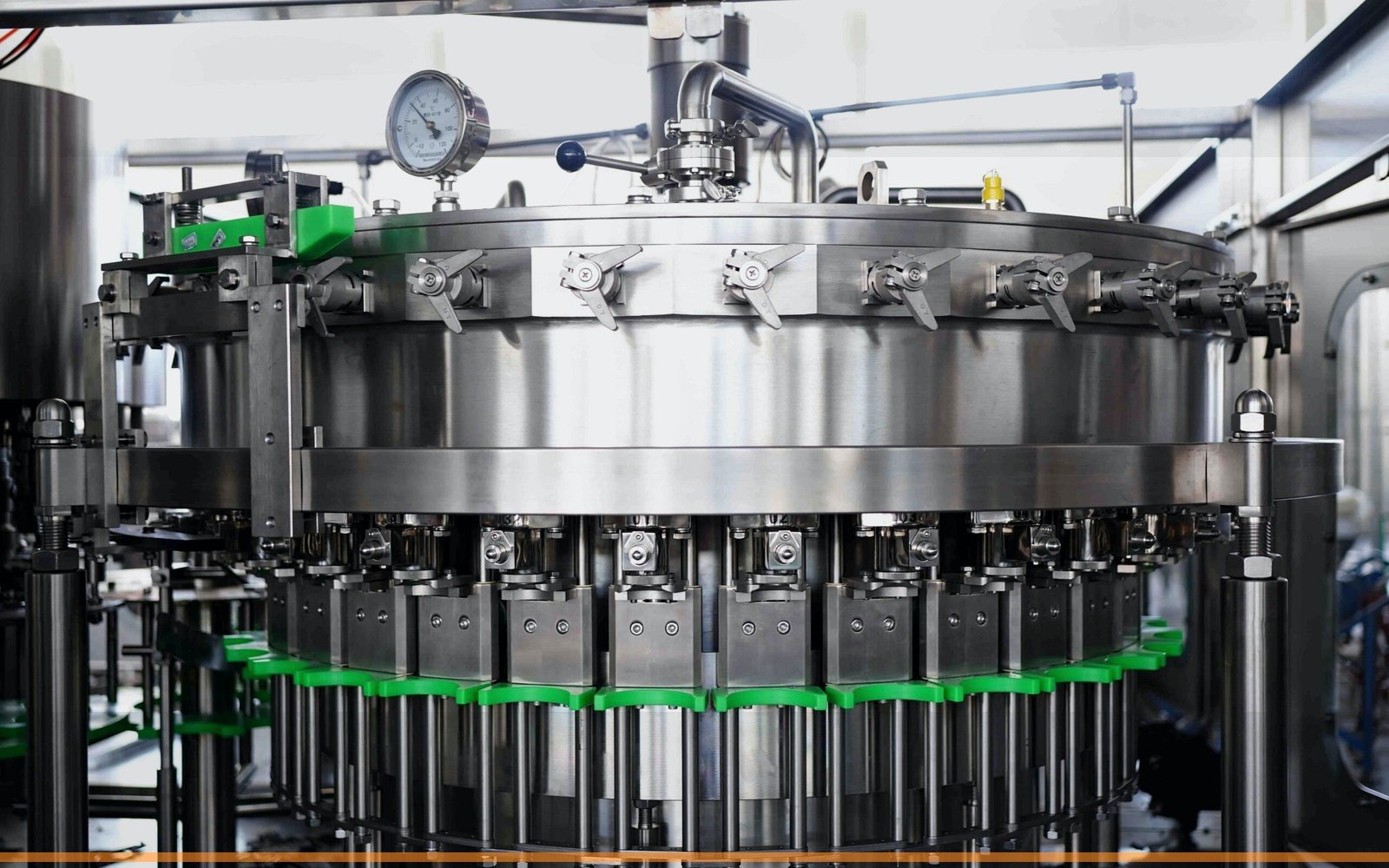
Complete line boundary
Connect the recipe, thermal route and package
Two beverages sold as juice can require different equipment. Use the product and package data below to define the process boundary before asking for a hot-fill machine price.
| Line stage | Buyer input | Supplier evidence |
|---|---|---|
| Water and ingredient preparation | Water quality, sugar or concentrate handling, dosing accuracy, batch size and ingredient addition order. | Treatment, dissolving, mixing, dosing, filtration and hygienic storage scope. |
| Product behavior | Brix, acidity, viscosity, pulp size and concentration, foam, oxygen sensitivity and filling temperature. | Pump, valve, pipe, filter, deaeration, agitation and product-contact material basis. |
| Thermal process | Validated heat treatment, holding requirement, product inlet and outlet conditions and allowable residence time. | Heat exchanger or sterilizer, holding section, controls, recorder and product diversion logic. |
| Hygienic buffer and transfer | Buffer volume, agitation, temperature control, level strategy and sanitation method. | Tank, pump, valves, instrumentation, insulation and CIP circuit responsibility. |
| Filling and closure | PET or glass bottle, heat resistance, neck and cap, fill temperature, headspace and output. | Rinse-fill-cap configuration, valve design, cap application, change parts and hot-product handling. |
| Hold, inversion and cooling | Closure-contact treatment, required hold and package cooling profile. | Cap sterilization or inversion basis, cooling tunnel zones, water system and exit temperature. |
| Drying, labeling and packing | Bottle surface condition, label, code, pack material and finished-pack rate. | Dryer, coder, labeler, inspection, conveyors, packer and heat-sensitive package checks. |
| Cleaning and acceptance | CIP recipe, product changes, test product, quality measures, FAT duration and records. | CIP station or interfaces, return path, documented recipes, FAT evidence and startup boundary. |
Capacity definition
Capacity depends on more than filling valves
Specify saleable output for each bottle and recipe. The thermal system, product buffer, cooling tunnel and packer must sustain the same basis without compromising the validated product conditions.
Use the real recipe at filling condition
Viscosity, pulp and foam can change with temperature and shear. Equipment selection based on water trials alone may not represent production behavior.
Name the bottle and thermal limit
PET bottle weight and design, glass variation, cap liner and label material can limit fill temperature, cooling rate and conveyor handling.
Include product and package changeovers
Recipe change, allergen or flavor control, CIP, warm-up, cooling and package change parts reduce the good output available during a shift.
Accept the integrated process
Measure preparation, thermal control, filling, closure, cooling, labeling and packing together, with agreed allowances for conditions that cannot be fully reproduced at the supplier factory.
Price and quotation
Normalize the juice-line quotation boundary
A filler-only quotation and a complete beverage-process quotation are not comparable. Separate the process, package and project layers, and do not accept a shelf-life promise from machinery wording alone.
Recipe preparation
Water treatment, dissolving, blending, ingredient dosing, filtration, homogenization or deaeration where the confirmed product requires them.
Thermal and hygienic system
Heat exchanger or sterilizer, holding, buffer tanks, pumps, valves, instruments, recording, CIP and product-recovery boundaries.
Bottle filling center
Bottle handling, rinsing, hot-fill or other agreed filling method, cap sterilization or application, contact materials and formats.
Post-fill process
Inversion or hold, tunnel cooling, drying, coding, labeling, inspection, packing and accumulation.
Evidence and documentation
Process and instrumentation information, component lists, utility schedule, manuals, material certificates where specified and FAT records.
Delivery and startup
Export packing, Incoterm, travel, installation, commissioning, operator training, product startup, spares, warranty and exclusions.
Common buying risks
Problems to prevent before the purchase order
Using one generic hot-fill temperature
There is no universal setting for every juice or tea. The product owner and qualified process specialists must validate the process for the actual formulation and market.
Hiding pulp behind the word juice
Particle size, concentration and fragility affect pumps, valves, nozzles, agitation and cleaning. Send representative product data and samples.
Approving the filler before the bottle
Hot product and cooling can deform an unsuitable PET bottle or stress closures and labels. Validate the complete package under the intended process.
Omitting CIP boundaries
A line can be mechanically complete while the return path, chemical dosing, heating, recovery and validation responsibilities remain unclear.
Testing only with water
Water can confirm basic movement but not viscosity, foam, particles, thermal behavior, product loss or cleanability. Agree what must be proven later during SAT and startup.
Send to the supplier
RFQ inputs
- Recipe family, Brix, acidity, viscosity, pulp and product samples.
- Validated process basis and expected filling conditions.
- Bottle, cap, label and finished-pack drawings or samples.
- Good output by recipe, bottle volume and shift plan.
- Cleaning method, product-change frequency and hygiene expectation.
- Factory utilities, layout, destination and local compliance needs.
- FAT, SAT, startup, documentation and training requirements.
Receive from the supplier
Comparable outputs
- Process flow with product, utility and cleaning boundaries.
- Numbered equipment list tied to the confirmed recipe family.
- Operating basis for temperature, product condition and output.
- Bottle and closure compatibility plus change-part schedule.
- Utility schedule, layout, controls and interface responsibility.
- FAT and SAT division with measurable evidence and open items.
- Commercial scope, exclusions, service, spares and warranty terms.
Honest China sourcing support
How Allot fits into the project
Allot Tech (Suzhou) Co., Ltd. was founded in 2019 and works as a China-based sourcing and project-coordination company. We help buyers organize product and package facts, ask manufacturing partners comparable technical questions and document what remains the responsibility of the recipe owner, equipment supplier and site team. We do not substitute marketing language for beverage-process validation or local regulatory approval.
Continue the research
Related equipment and buyer guides
Buyer questions
Direct answers before quotation
What equipment is used in a juice or tea filling line?
Depending on the validated product and package, the line may include water treatment, ingredient preparation, blending, filtration, deaeration or homogenization, thermal processing, hygienic buffers, filling and capping, hold or inversion, cooling, drying, labeling, inspection and packing.
Is hot filling required for every juice and tea product?
No single process suits every formulation or shelf-life objective. The product owner should define and validate the required process with qualified specialists, then the machinery supplier should design to that documented basis.
What data is needed to quote a juice filling machine?
Provide recipe properties at filling condition, pulp, foam, process basis, bottle and closure data, volumes, good output, package materials, cleaning requirements, utilities, destination and the requested FAT and startup responsibility.
Can a juice line be tested with water before shipment?
Water trials can verify basic machine functions, but they cannot prove product behavior, thermal performance, pulp passage, foaming, product loss or cleaning. Define which tests use product or a justified surrogate and which remain for site acceptance.
Match the filler to temperature, pulp and package
Juice and tea projects cannot be selected from bottle speed alone. Formula, pulp or particles, deaeration, pasteurization, filling temperature, closure and cooling all affect the product-contact path and the line around the filler.
| Process question | Equipment effect | Information to send |
|---|---|---|
| Hot fill or cold fill? | Changes tank, valve, piping, bottle heat resistance and downstream cooling | Target filling temperature, hold time and package material |
| Clear beverage or particles? | Changes valve passage, agitation, pump and cleaning design | Particle size, pulp percentage and viscosity range |
| PET, glass or another container? | Changes handling, rinsing, cap application and thermal protection | Bottle drawing, neck, cap and volume range |
| How is the product prepared? | Determines blending, filtration, deaeration, pasteurization and buffer interfaces | Process flow, recipe steps and required product standard |
| What happens after filling? | Determines cooling, drying, labeling, coding and packing sequence | Label and final-pack samples or drawings |
Recipe-to-package engineering
Define the thermal process and product path before selecting the filler
Juice and tea lines change with acidity, pulp, oxygen sensitivity, filling temperature and bottle heat resistance. These values belong in the equipment brief.
| Project area | Buyer input to confirm | Engineering output |
|---|---|---|
| Product preparation | Recipe, Brix, acidity, pulp and batch size | Blending, filtration, deaeration and buffer scope |
| Thermal route | Validated process, fill temperature, hold and cooling | Pasteurizer, hot-fill path and cooling profile |
| Package | PET or glass bottle, closure, label and final pack | Handling, capping, drying, labeling and packing sequence |
What the recommendation should define
One process flow linking preparation, thermal treatment, filling, closure, cooling, labeling and cleanability around the actual formula.