
Gravity Filling Machine for Water-Like Thin Liquids
Gravity filling is practical for free-flowing, non-carbonated liquids where simple structure and stable flow are more important than handling thick products.
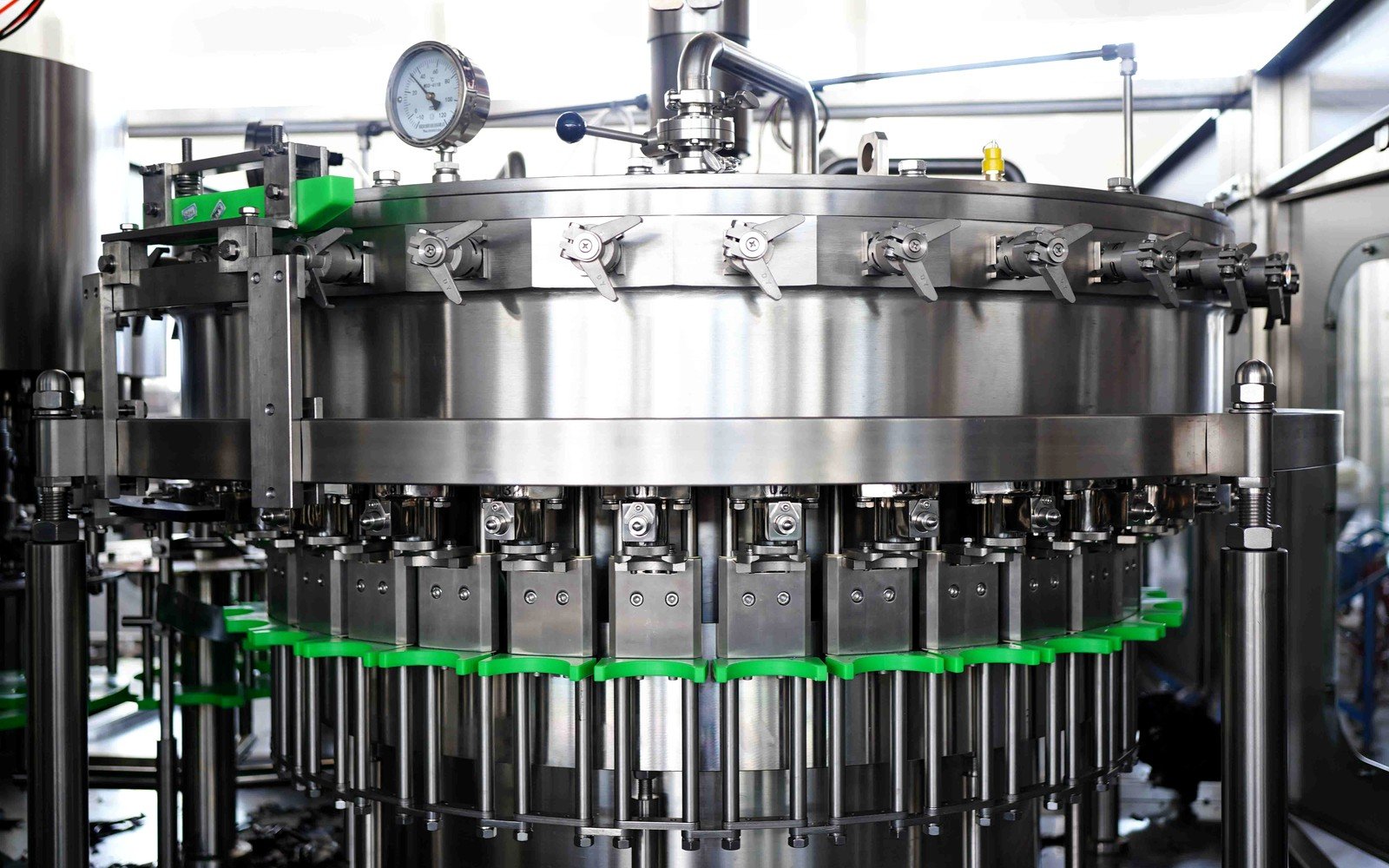
Best for
- Water-like thin liquids
- Non-carbonated beverage and chemical products
- Simple automatic linear filling lines
Not ideal for
- Thick paste or sauce
- Carbonated drinks
- Products requiring identical cosmetic fill level
Filling principle
Liquid flows from a tank through filling valves into containers under gravity. Valve design, tank height and liquid flow stability affect output.
Details to confirm before quotation
- Liquid flow behavior
- Bottle volume and opening size
- Foaming or no foaming
- Target bottles per hour
- Capping and labeling scope
Continue technical comparison
FAQ
Can you recommend a filling machine from product details?
Yes. Send liquid type, viscosity, container, cap, output, accuracy and packaging needs. We will recommend a practical configuration.
Do you quote exact price without details?
No. We avoid fake prices. Filling machine cost changes with contact materials, head count, automation level, capping, labeling and packing scope.
Specify gravity filling from the real liquid and bottle
Gravity filling is mechanically straightforward, but a useful specification still needs more than the words “thin liquid.” Flow rate, foam, temperature, bottle-neck opening, target dose and upstream tank stability determine whether the machine can fill cleanly and repeatably.
| Decision point | Why it matters | Buyer input |
|---|---|---|
| Liquid behavior | Controls valve, nozzle and filling-time selection | Viscosity range, foam, temperature and any suspended material |
| Container opening | Limits nozzle diameter and venting | Neck drawing, opening diameter, bottle height and rigidity |
| Dosing objective | Separates timed-volume needs from visible-level requirements | Nominal fill, acceptable variation and inspection method |
| Production flow | Determines head count, indexing and buffer needs | Target output, shift pattern and connected machines |
| Product path | Affects hygiene, compatibility and changeover time | Contact material, cleaning method and product-change frequency |
Typical project boundary
- Infeed conveyor and bottle indexing
- Product supply tank and level control
- Filling valves, nozzles and drip control
- No-bottle-no-fill detection
- Capping, labeling and downstream packing interface
Compare before deciding
Choose overflow filling when a uniform visible fill line is central. Review pump filling when the product needs controlled positive displacement.
Buyer questions
When is gravity filling the right starting point?
Use it as a starting point for free-flowing, non-carbonated liquids when the product, bottle opening and required accuracy suit time-based or level-controlled flow. Product testing is still needed when the liquid foams or its viscosity changes with temperature.
What should I send before requesting a gravity filler quote?
Send the liquid name, viscosity or a sample, foam behavior, bottle drawing, neck opening, fill range, cap, target output, cleaning method, voltage and downstream equipment scope.