
Can Filling Machine Selection
Select can filling equipment by can diameter, lid, seaming, carbonation, coding and packing requirements.
Equipment scope and reference views
Illustrative equipment views, not evidence of a supplied project or guaranteed capability. Confirm actual configurations, drawings and package samples in the proposal.
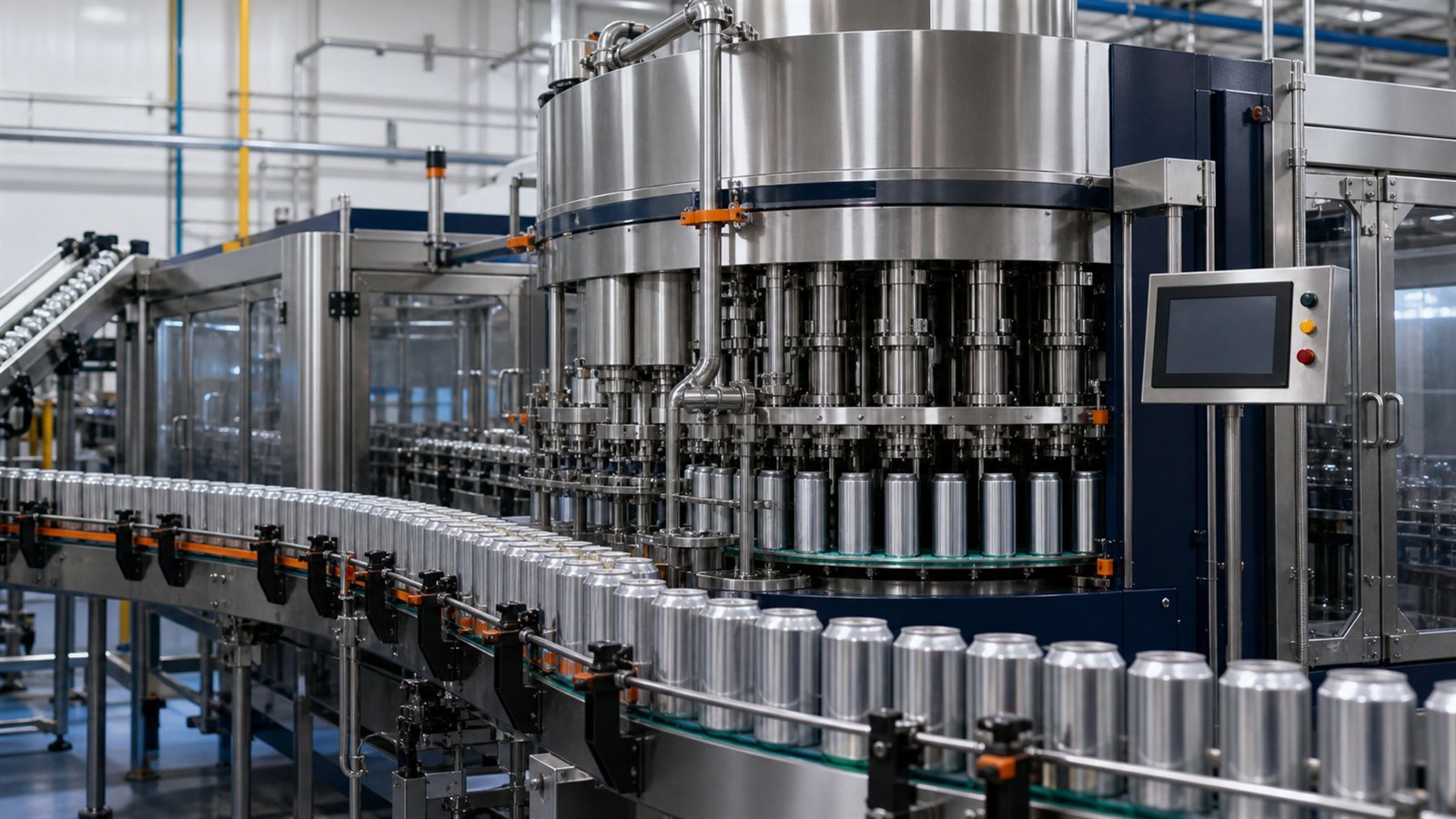
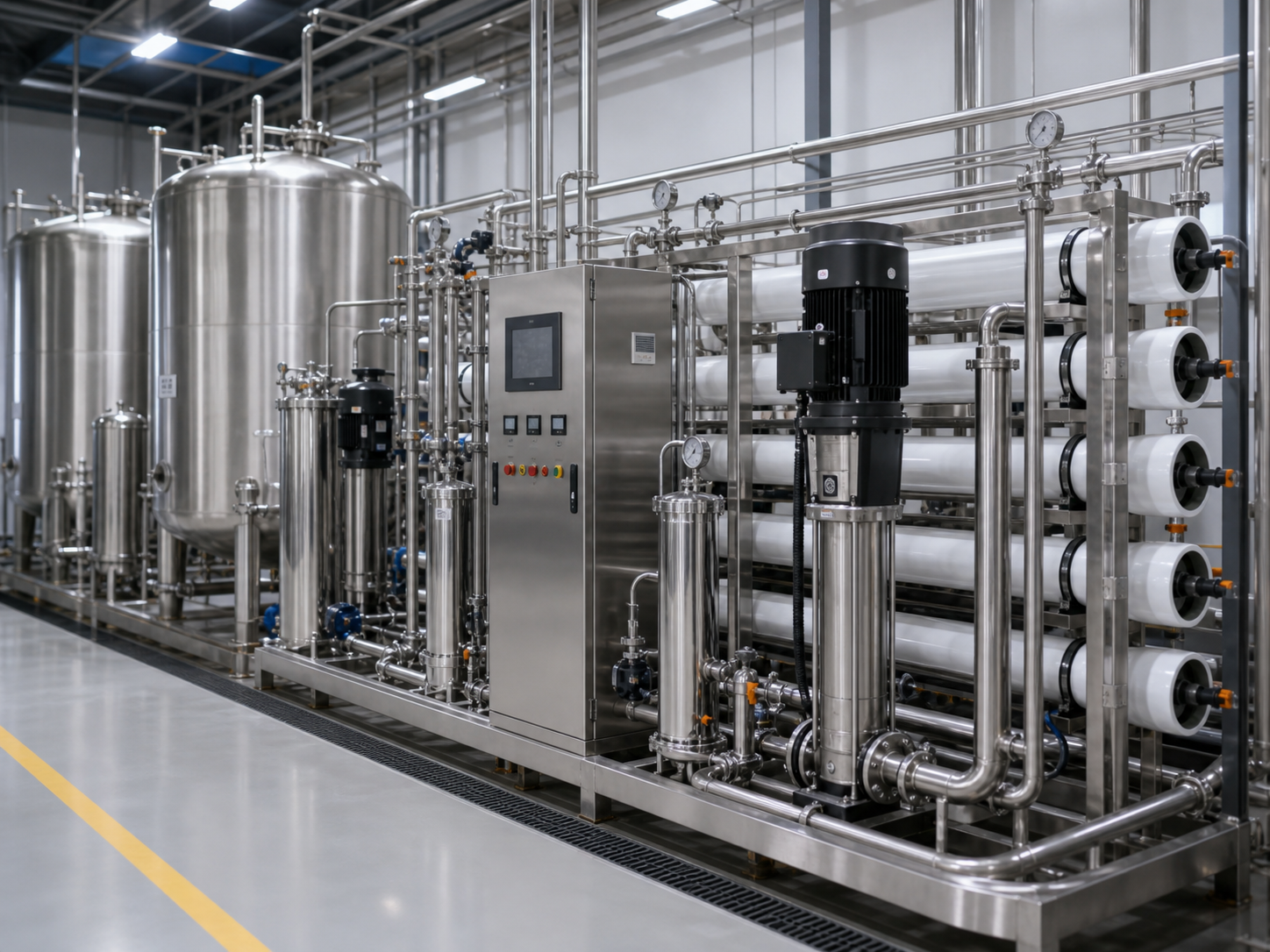
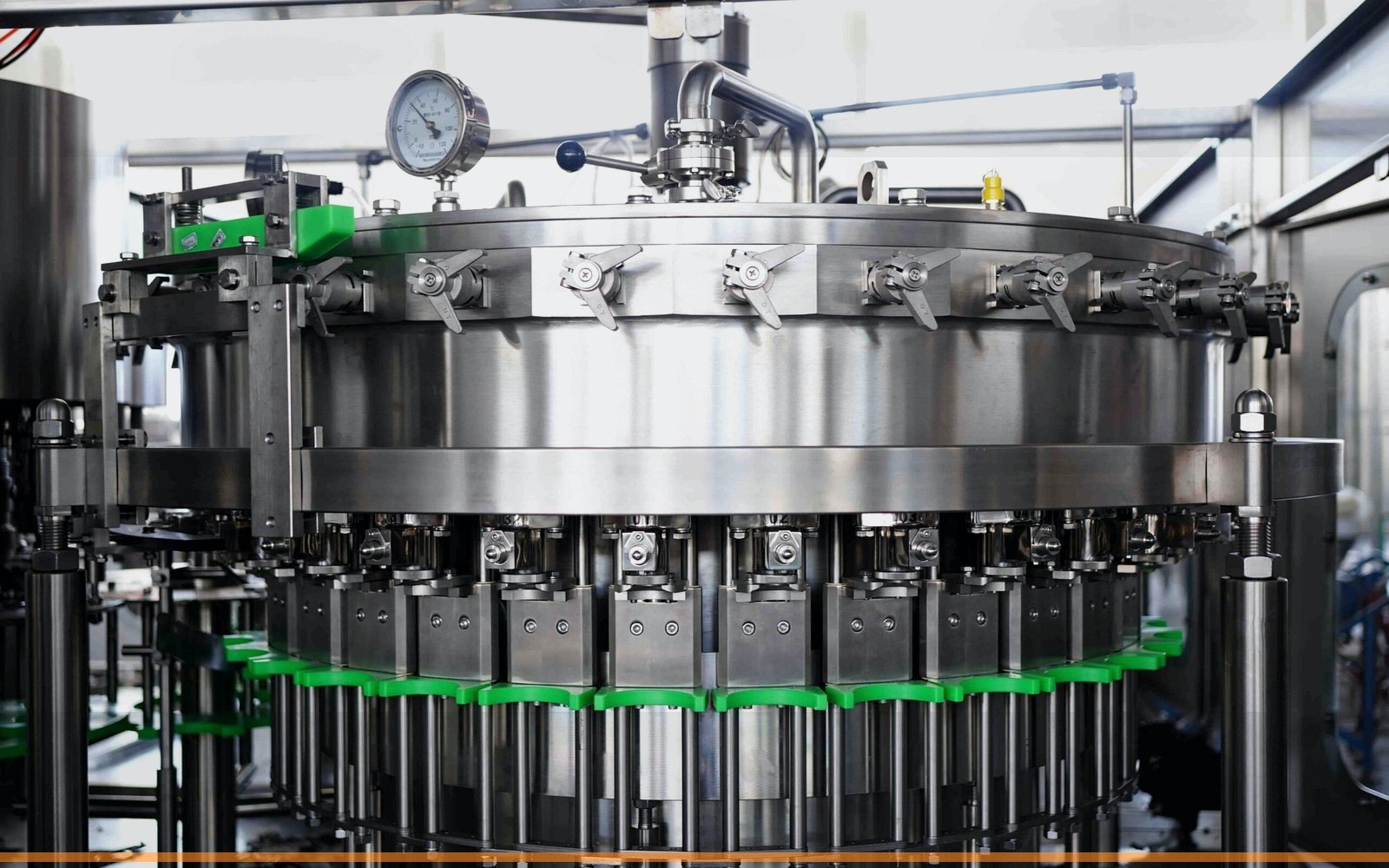
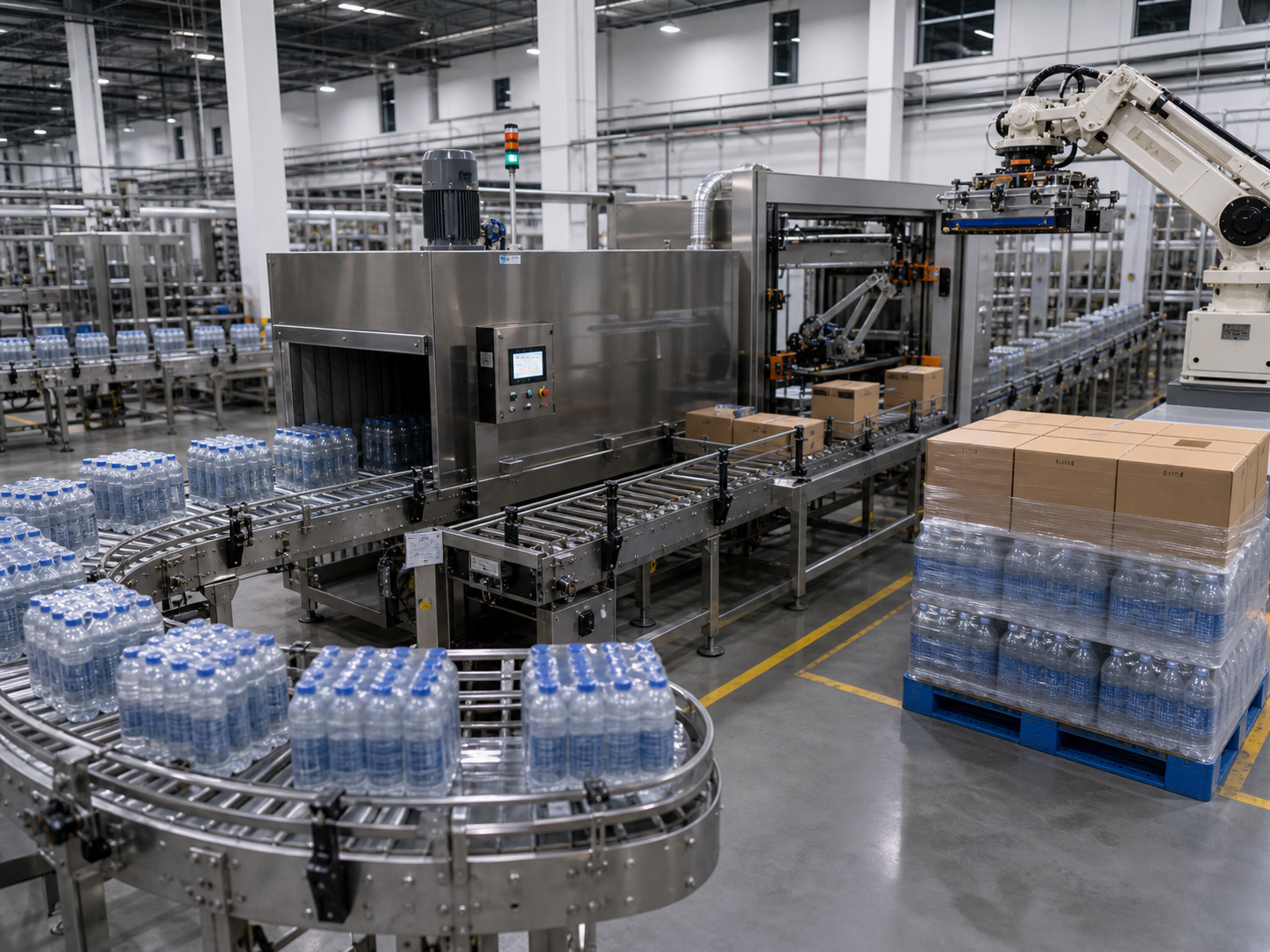
Choose the can filler and seamer as one packaging system
A beverage can filling machine is only one part of a successful canning operation. The product must reach the filler under agreed conditions, cans must arrive undamaged, the correct ends must be supplied and the seamer must close the package to its approved specification. The buying decision should cover all of these interfaces.
Allot Tech helps define and source a project-specific equipment package from China. We do not treat a can volume, a short running video or a generic speed claim as proof of suitability. Ask for the proposed configuration, production-intent can and end samples, and written acceptance evidence.
| Product route | Questions for the supplier | What the trial must establish |
|---|---|---|
| Carbonated soft drinks and sparkling water | What product temperature, carbonation, supply conditions and package rating are assumed? | Fill result, foam and product loss, carbonation where specified, seam quality and accepted output together. |
| Beer or another oxygen-sensitive beverage | Which oxygen-control features are proposed, and how will pickup through the complete filling and closing process be measured? | Agreed product measurements with identified sampling points and instruments; a feature name alone is insufficient. |
| Still juice, tea or functional drinks | Which approved preservation process applies? Are the can, coating and end suitable for that product and process? | Package compatibility and the specified process conditions. Do not assume that a generic can filler provides shelf stability. |
| Still products requiring package pressurization | Is nitrogen dosing required and approved? Who defines dose, timing, pressure limits and cryogenic safeguards? | The agreed package pressure and condition after filling, seaming and subsequent handling. |
For the full line, see the can filling line overview. Use the nitrogen dosing guide only where that process is part of an approved package design.
Can one filler handle standard, sleek and slim cans?
Do not order by the words standard, sleek or slim alone. Supply the can body drawing, height, diameter, flange, end designation, material and supplier specification revision. Two cans with the same nominal volume may require different handling parts. A different end can require different seaming tooling even when the body looks similar.
Request a format matrix showing supported can-and-end combinations, filler and seamer settings, change parts, end-feed adjustments, inspection recipes and the agreed output for each format. Separate included formats from future options and identify the cost and lead time of additional tooling.
How should cans per minute be compared with cans per hour?
The unit conversion is straightforward: an illustrative nominal rate of 180 cans per minute is 180 x 60 = 10,800 cans per hour. It does not mean the plant will ship that many good cans every hour. Format changes, end replenishment, stops, rejects and downstream packing affect the delivered result.
Specify the format and operating conditions behind each quoted rate. Ask for accepted cans at a defined count point over a stated test period, plus a stop-and-reject log. Keep instantaneous machine speed separate from sustained line output. The capacity guide explains how to start from daily demand.
What should a canning machine quotation include?
- Can supply: manual feeding or depalletizing, transfer, container preparation and damage control.
- Product circuit: inlet conditions, filling technology, cleaning scope, gas services where required and product change procedure.
- Closing cell: end storage and feeding, lid placement, seamer tooling, lubrication and the agreed hygienic design.
- Quality checks: fill and seam inspection provisions, measurement tools, reject handling and traceable records.
- Downstream scope: coding, any validated thermal treatment, drying where needed, packing and pallet transfer.
- Project boundary: utilities, installation, manuals, spare parts, training, sample supply and FAT/SAT responsibilities.
A standalone filler, a filler-seamer block and a complete can line are different purchase scopes. Price them on a common boundary. Use the filler-seamer integration test plan to identify who owns each interface before ordering.
Is an online inspector enough to approve the double seam?
No. Define what the proposed inspection system can detect and verify its reject action. It does not remove the need for the approved seam evaluation programme. The double seam inspection checklist explains how to tie records to can and end lots, seamer heads and the supplier’s specification.
What information is needed for a useful can filler quotation?
Send the beverage and process, required fill quantity, actual can and end drawings, all planned formats, target good output, utilities and layout. Identify whether product preparation, thermal treatment, inspection and packing are included. List the markets and delivery destination without assuming one country’s requirements apply everywhere.
Then agree representative samples, test methods and pass criteria before the machine is accepted. Request a can filling recommendation or review the quotation checklist first.
Container details
Send the can body and end drawings, supplier specifications, package lots and all intended formats.
Closure details
Specify the exact can end, seaming tooling and approved seam evaluation method. Bottle caps and pump closures are not can-seamer options.
Packaging cell
Match can preparation, filling, end feed, seaming, inspection, coding and secondary packing.
Buyer decision brief
Define can filling together with lid supply and seam quality
A can filler cannot be selected from diameter and speed alone. Product carbonation, temperature, can and end specifications, seamer setup, oxygen or foam control and downstream handling define the usable system.Container evidence
Provide controlled can-body and end specifications, dimensions, material, opening format, incoming cleanliness, pallet pattern and representative samples from the intended suppliers.
Filling condition
State whether the beverage is still or carbonated, plus filling temperature, carbonation target where applicable, foam behavior, fill criterion and product-loss limits.
Line handling
Define depalletizing or manual infeed, rinsing, lid handling, filler-to-seamer transfer, coding, inspection, packing and ownership of seamer tooling and setup.
Acceptance evidence
Agree fill checks and qualified seam inspection, then record damaged cans, missing lids, seam rejects, stops and saleable cans during a sustained run.