
Vacuum Filling Machine for Selected Liquid Applications
Vacuum filling can be considered where container, product and fill-level requirements make vacuum-assisted filling practical.
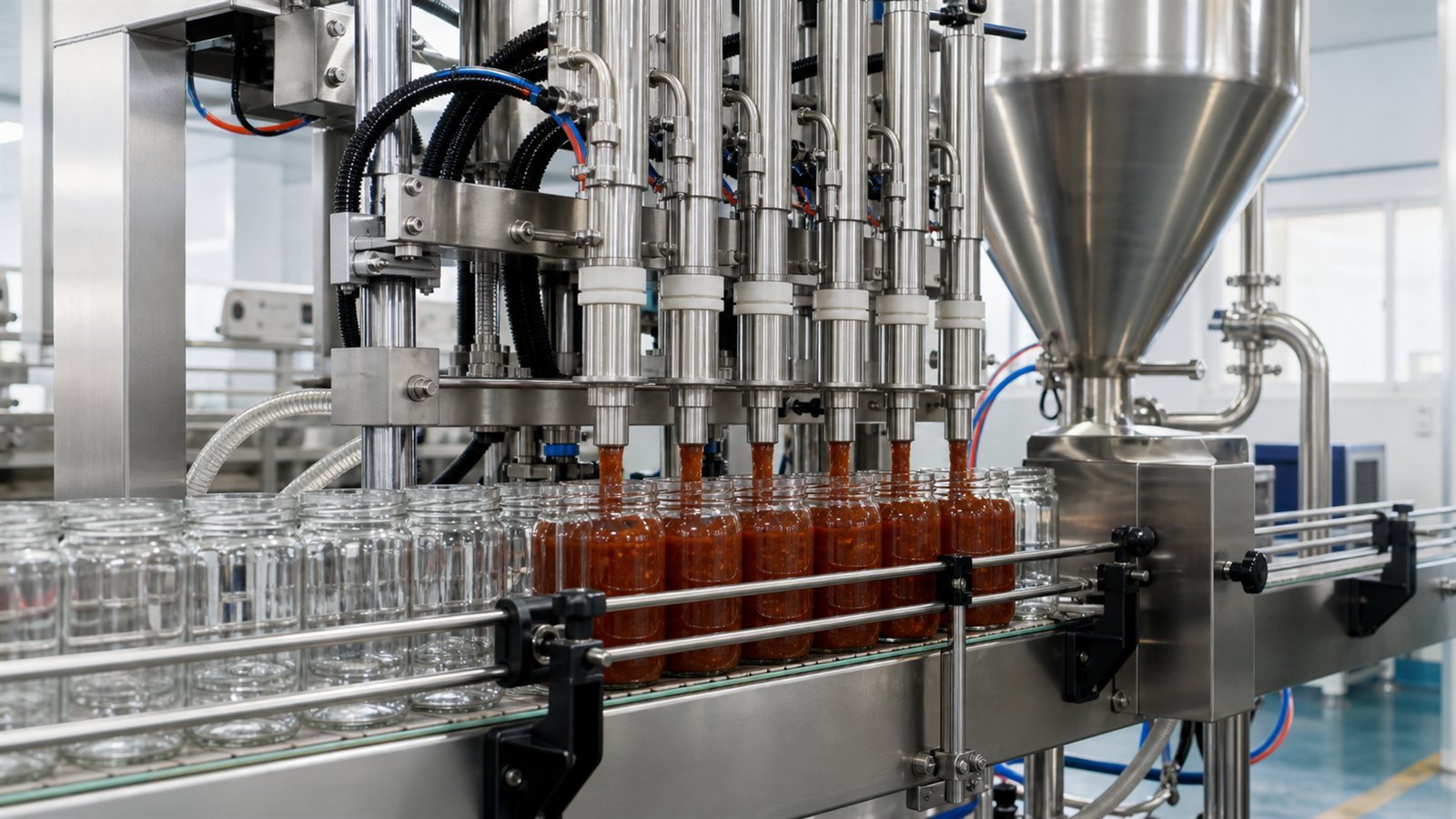
Realistic equipment views for faster selection
Use these eight machine categories to compare filling, capping, labeling, packing and water treatment options before requesting a quotation.
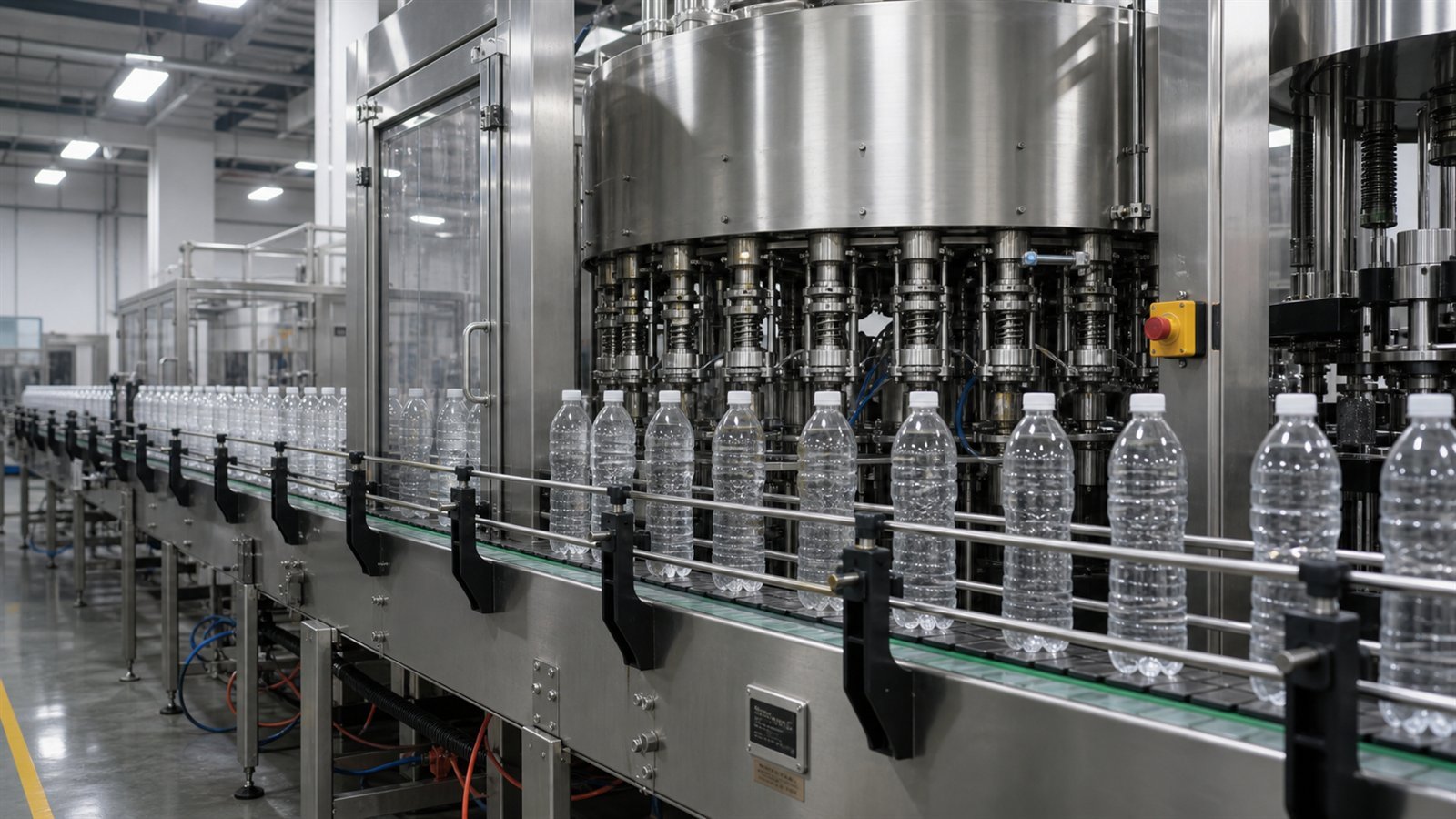
PET bottle rinsing, filling, capping and conveying from China.
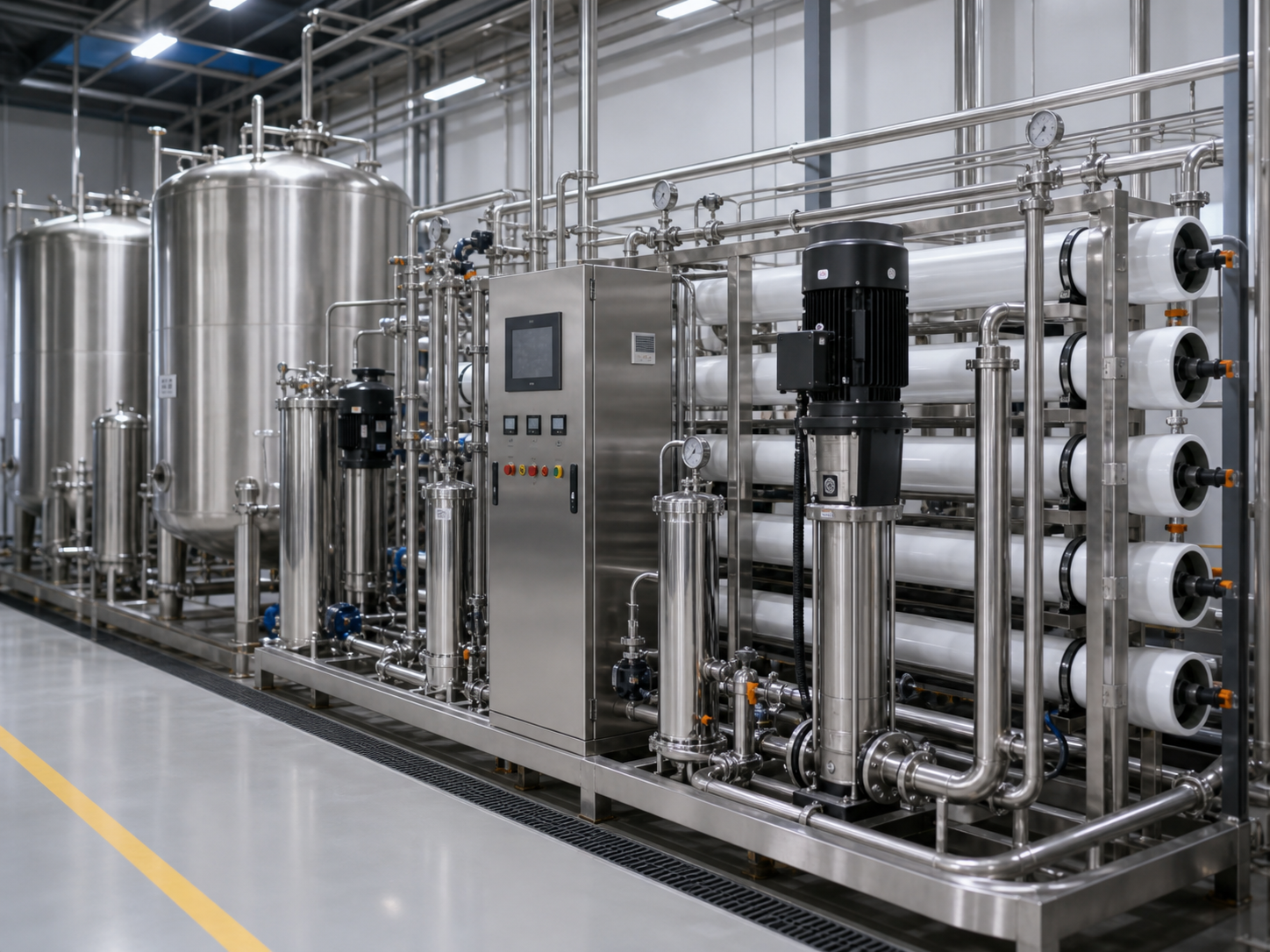
RO filtration, pretreatment, tanks and stainless pipework before beverage filling.
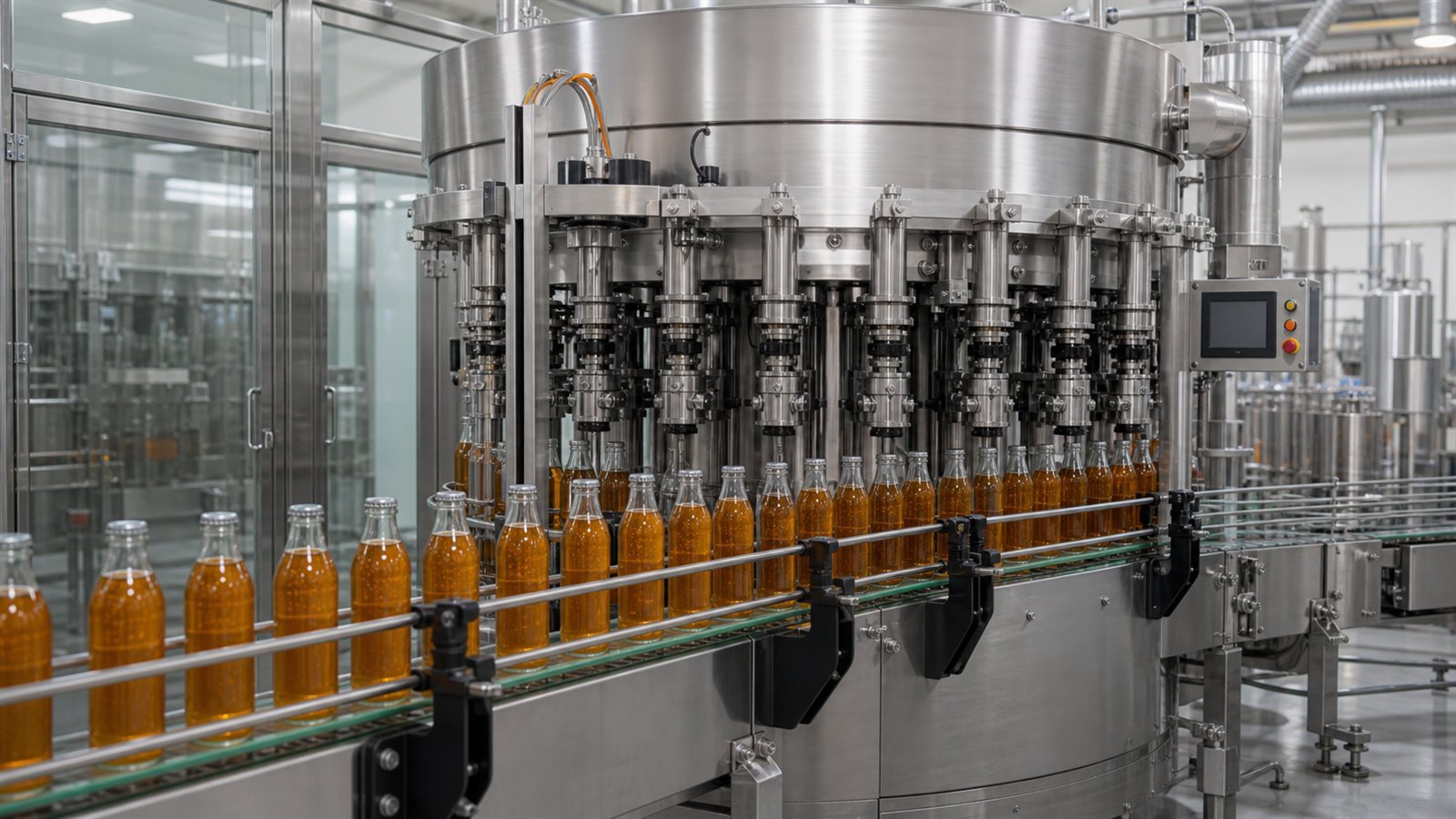
Isobaric filling and capping for soda, sparkling water and CSD.
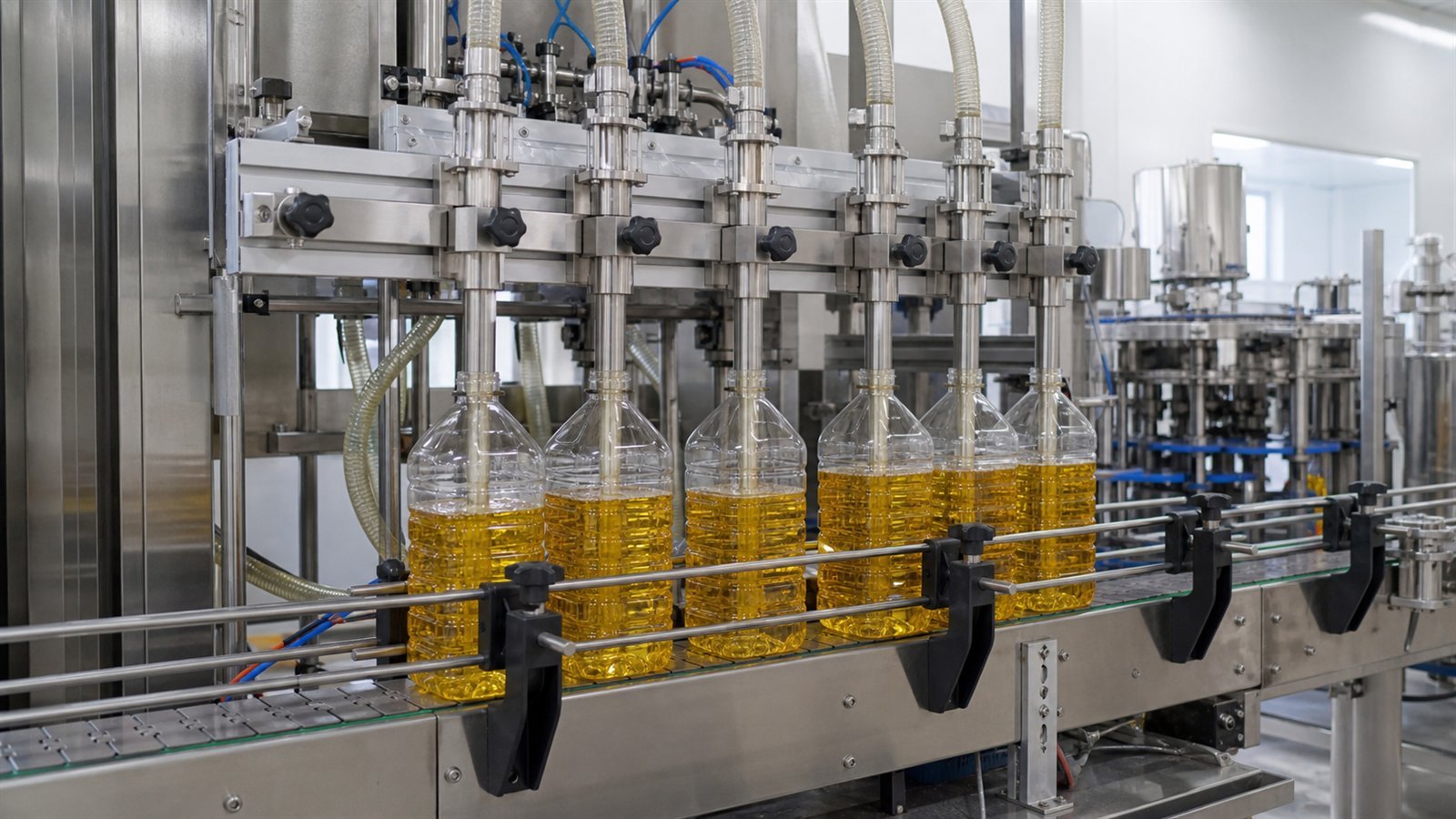
Volumetric or net-weight filling for edible oil and high-value liquid products.
Piston filling for viscous products, jars, sauces and anti-drip nozzles.
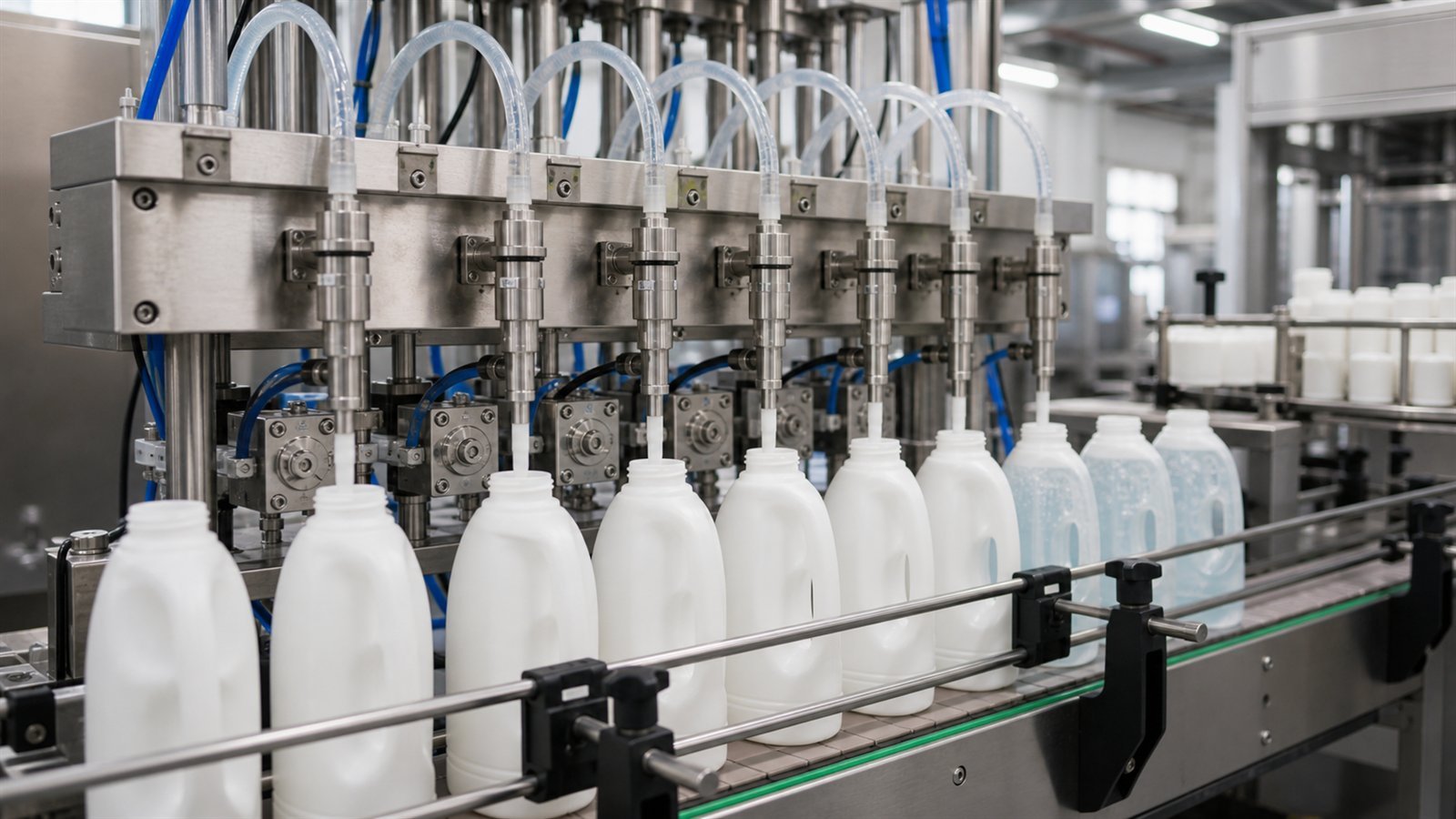
Pump filling for HDPE bottles, cleaners and personal care liquids.
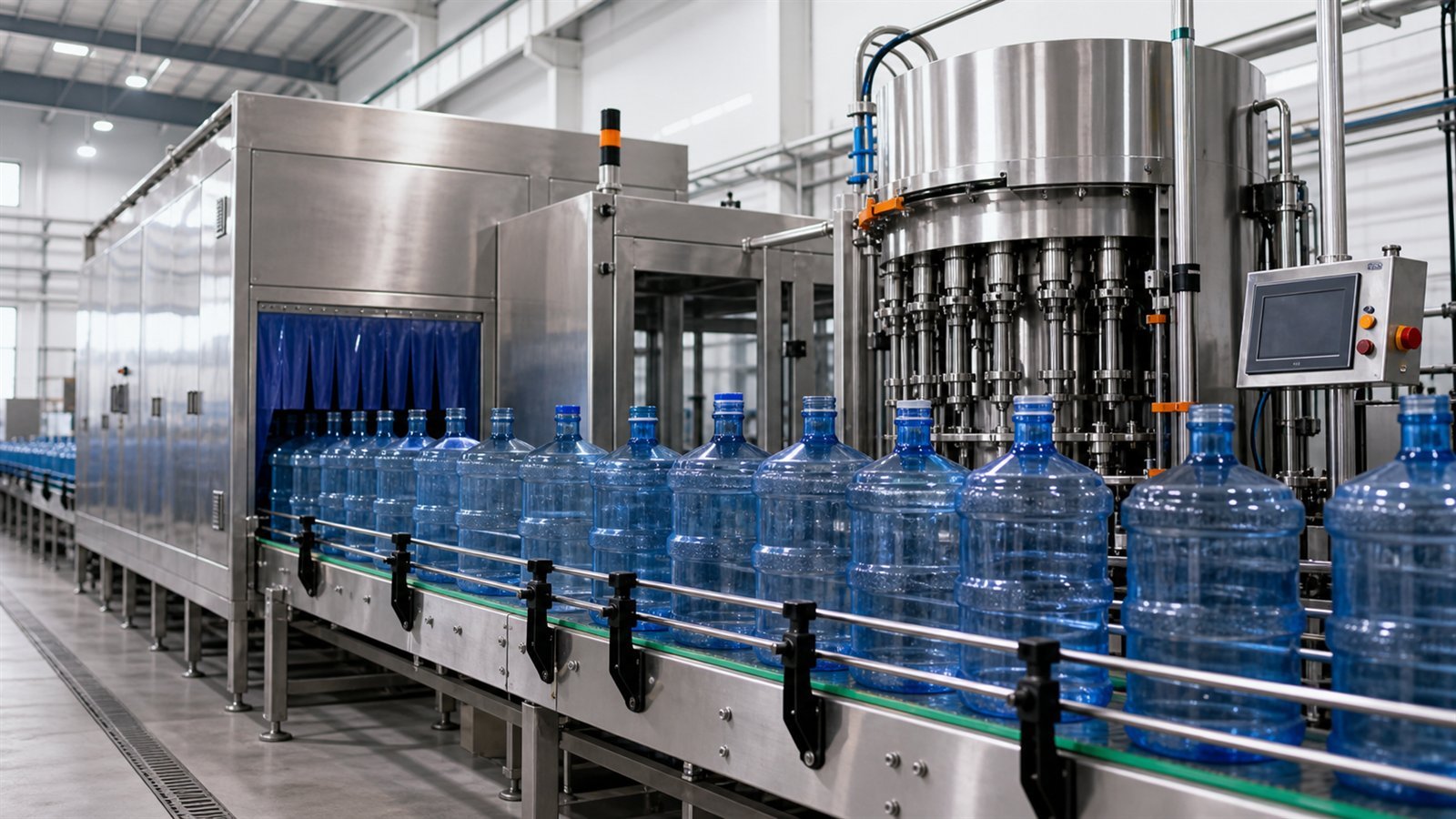
Large bottle washing, filling and capping for drinking water plants.
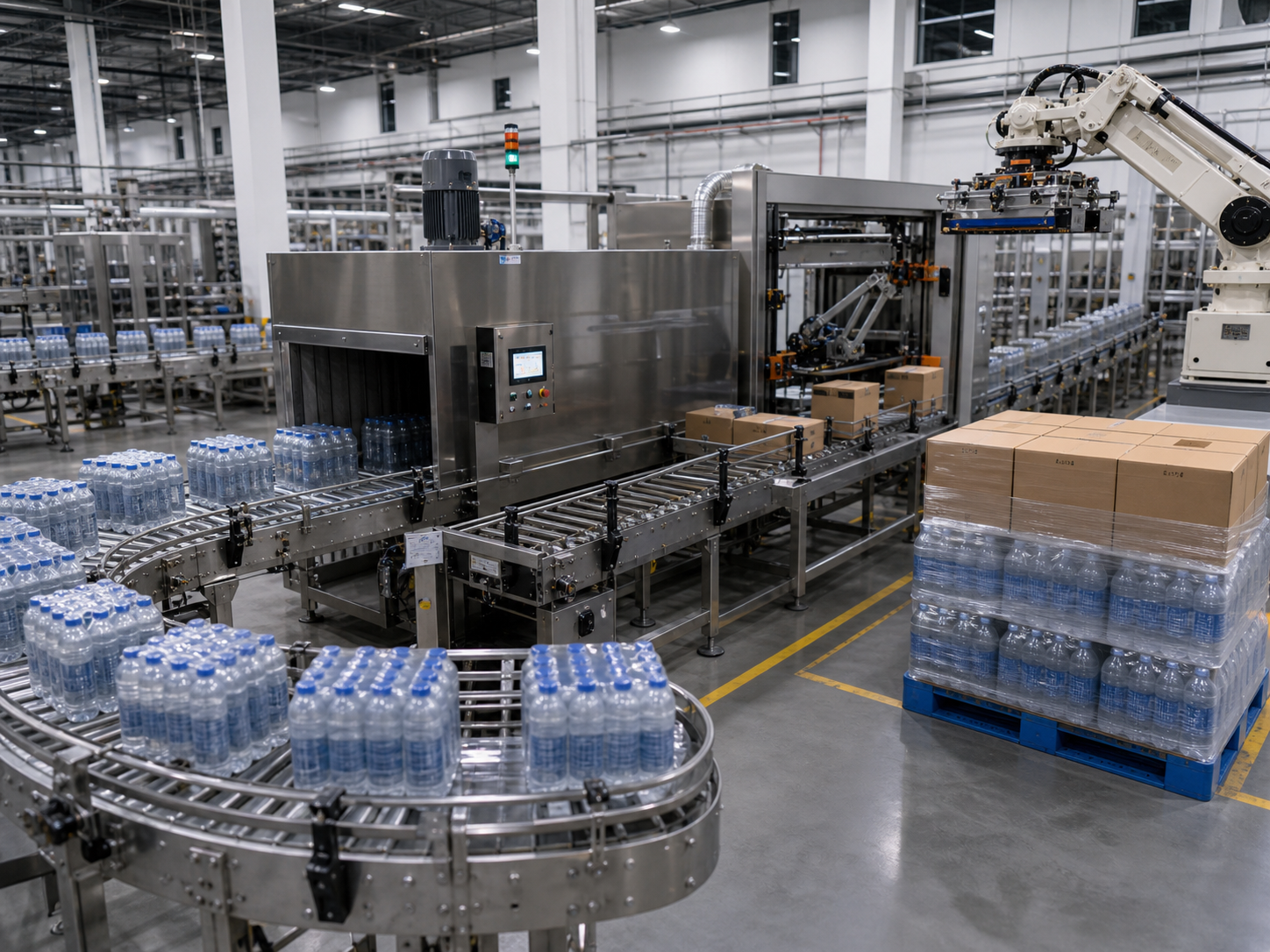
Shrink wrapping, carton packing, conveying and export-ready palletizing.
Best-fit situations
- Specific thin liquid applications.
- Containers suitable for vacuum-assisted filling.
- Projects needing careful bottle and liquid testing before purchase.
Before quotation
Send the real liquid, bottle, cap, speed, accuracy and packaging requirements. We avoid fake prices because configuration changes cost.
Selection table
| Liquid details | Viscosity, foam, particles, temperature and filling accuracy. |
| Container details | PET, glass, HDPE, jar, can or large container; volume, neck and cap. |
| Packaging scope | Capping, sealing, labeling, coding, packing, conveyors and export requirements. |
Buyer decision brief
Confirm when vacuum filling fits the product and rigid container
Vacuum filling is defined by the product, the container seal at the filling nozzle and the desired level result. It should not be selected from liquid viscosity alone.Process fit
State product volatility, foam, temperature, viscosity, sensitivity and hygiene needs, plus whether returned or overflow product may be recovered and under what controls.
Machine definition
Provide rigid container drawings and samples, neck finish and variation, sealing surface, target fill level, headspace and the acceptable visual level tolerance.
Cleaning and changeover
Define reservoir, vacuum generation, overflow or return path, product exposure, bottle lift or seal mechanism, cleaning, drainage and format-change sequence.
Acceptance evidence
Test representative neck variation and product conditions while measuring level result, loss or recovery, bottle marking, drips, foam, changeover and sustained output.