
Detergent and Daily Chemical Filling Machine
Detergent filling must consider foaming, chemical compatibility, HDPE or PET bottles, trigger caps, pump caps, screw caps, labeling and carton packing.
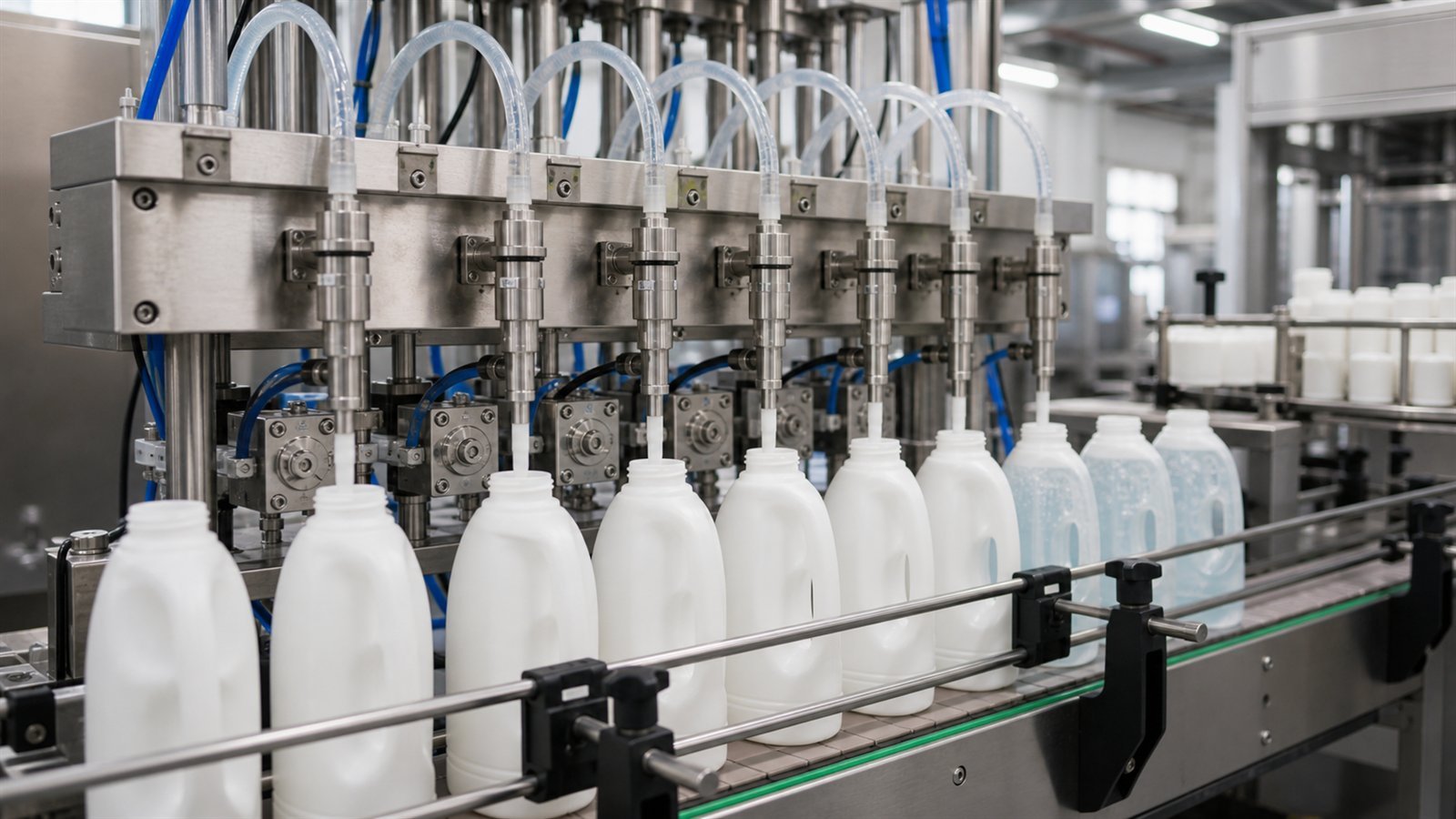
Realistic equipment views for faster selection
Use these eight machine categories to compare filling, capping, labeling, packing and water treatment options before requesting a quotation.
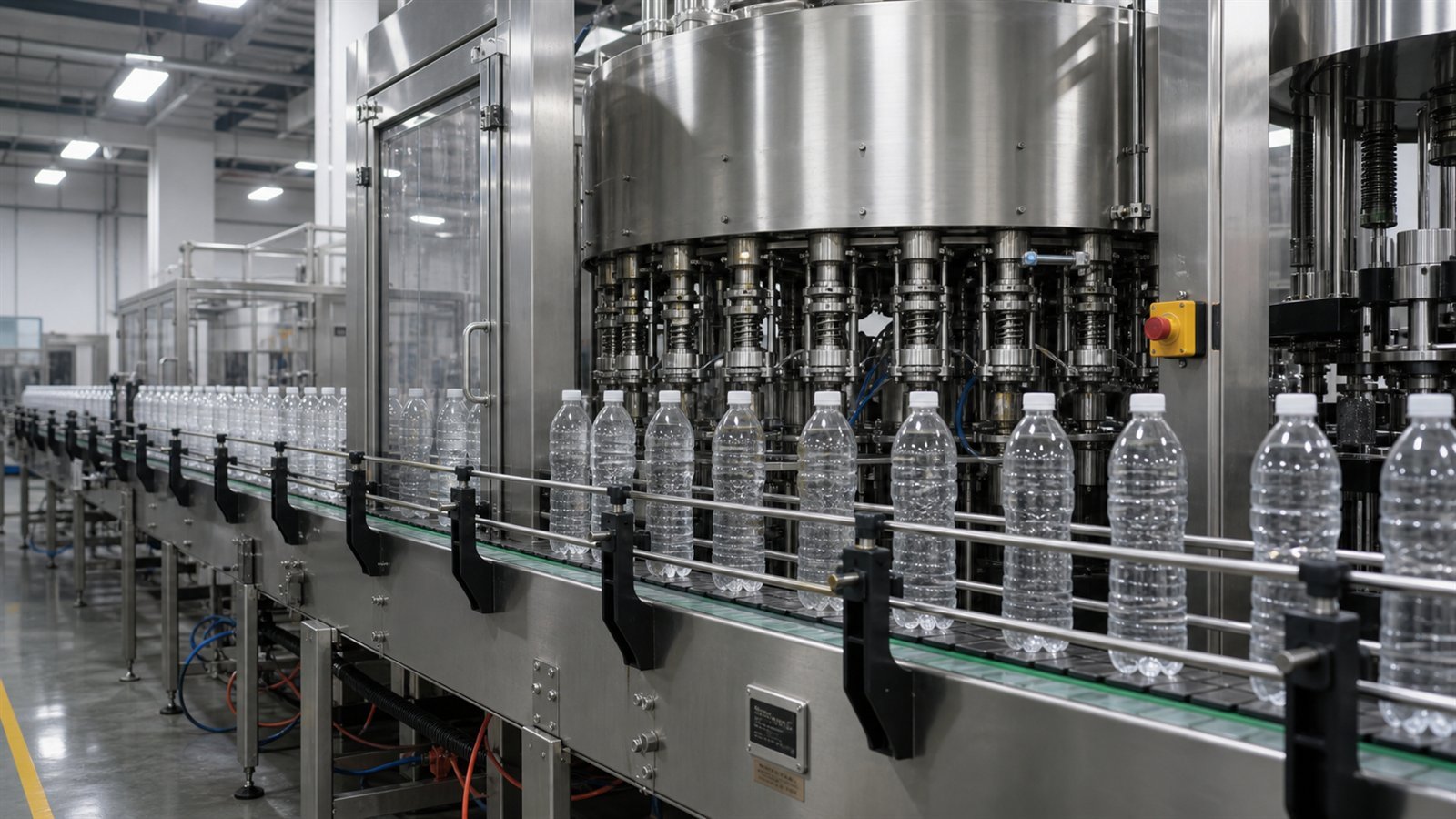
PET bottle rinsing, filling, capping and conveying from China.
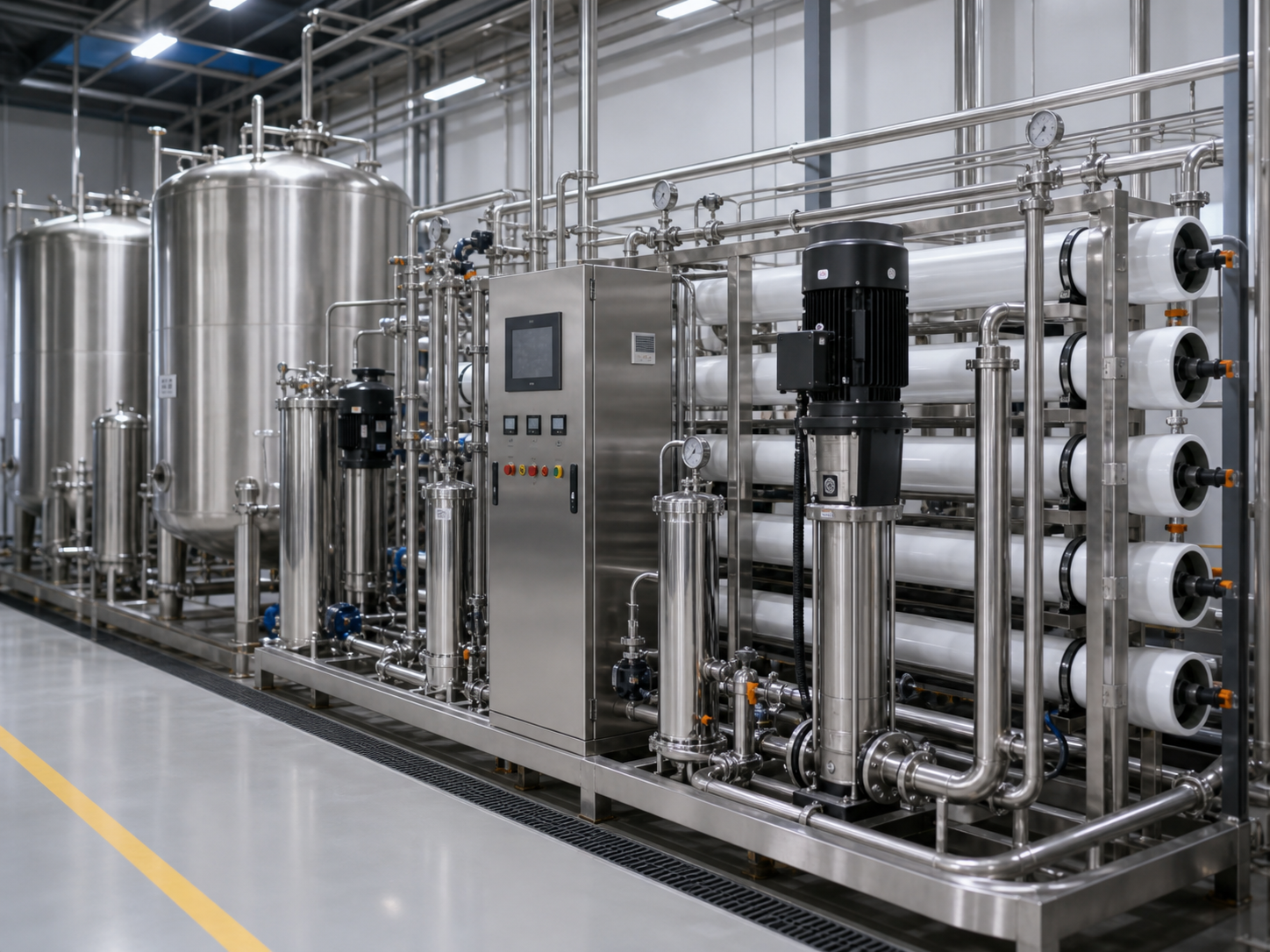
RO filtration, pretreatment, tanks and stainless pipework before beverage filling.
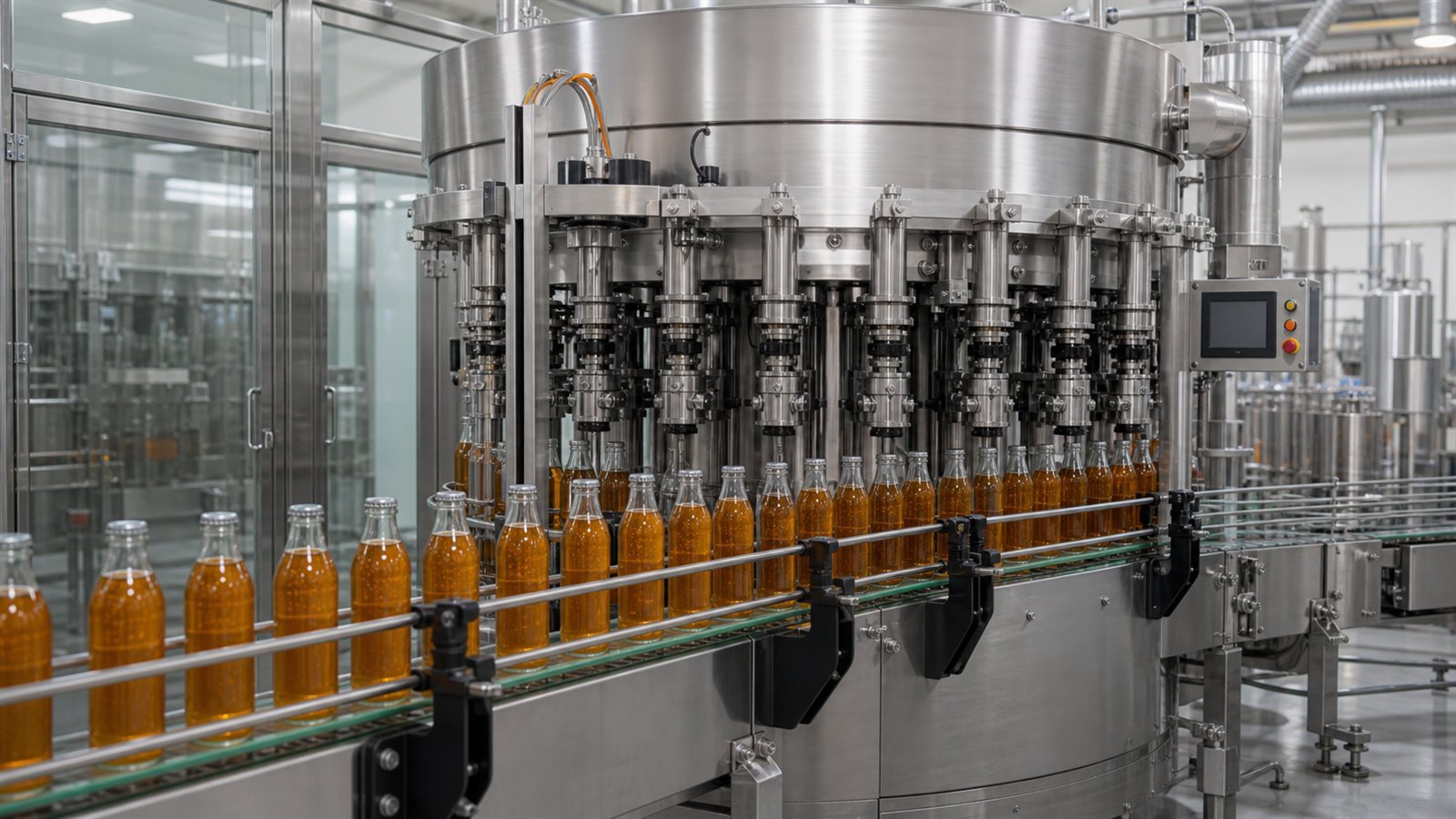
Isobaric filling and capping for soda, sparkling water and CSD.
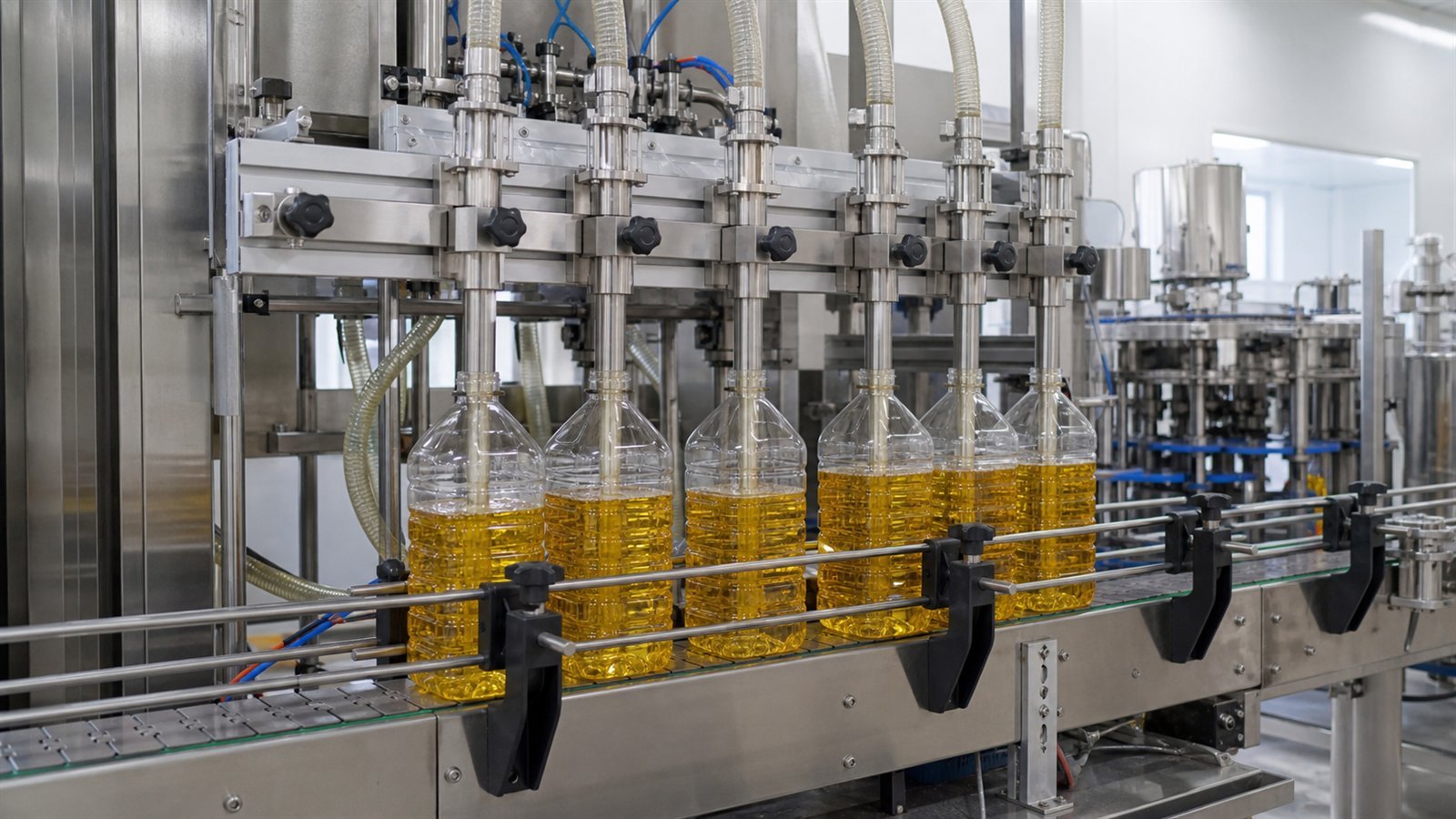
Volumetric or net-weight filling for edible oil and high-value liquid products.
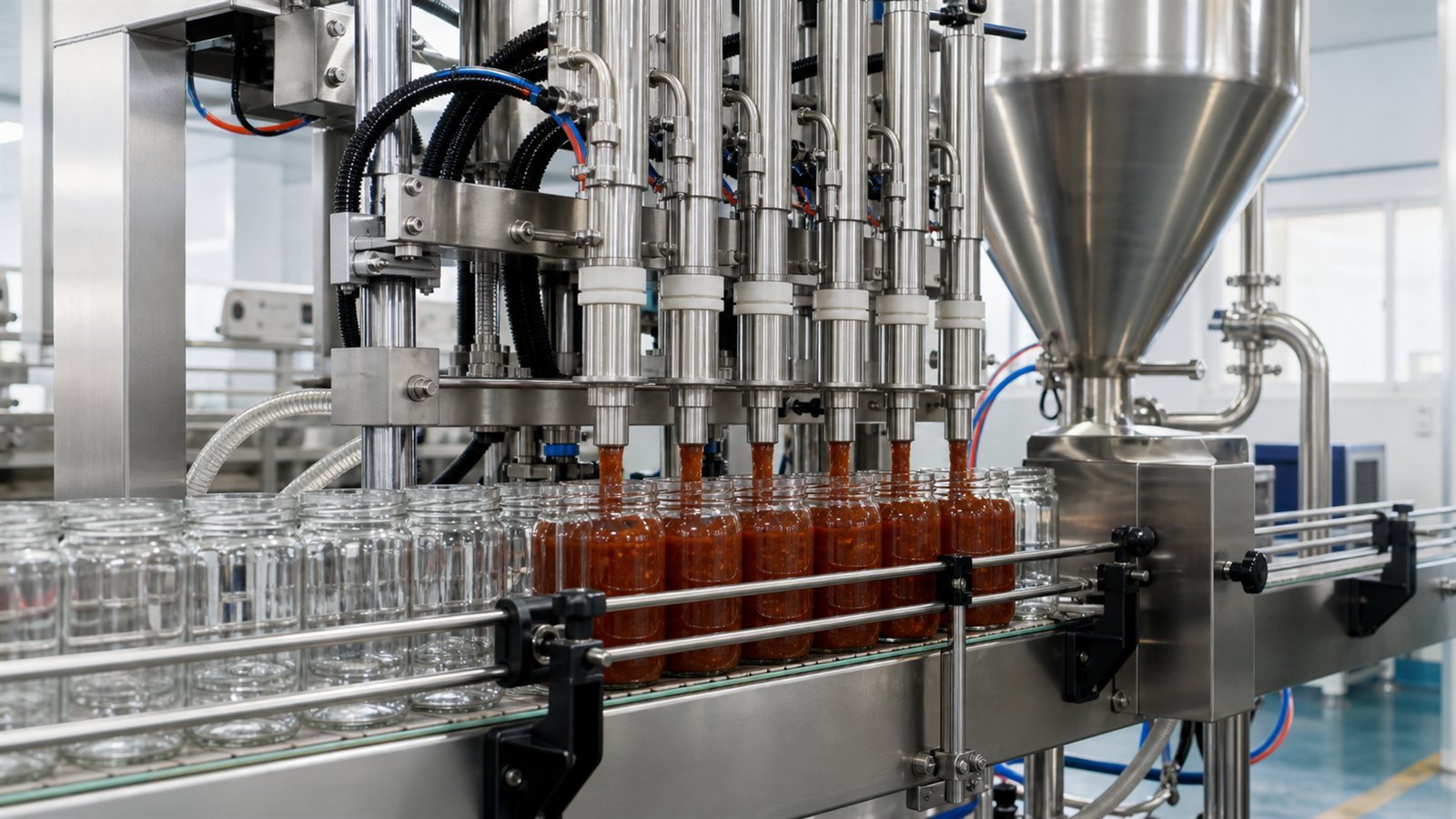
Piston filling for viscous products, jars, sauces and anti-drip nozzles.
Pump filling for HDPE bottles, cleaners and personal care liquids.
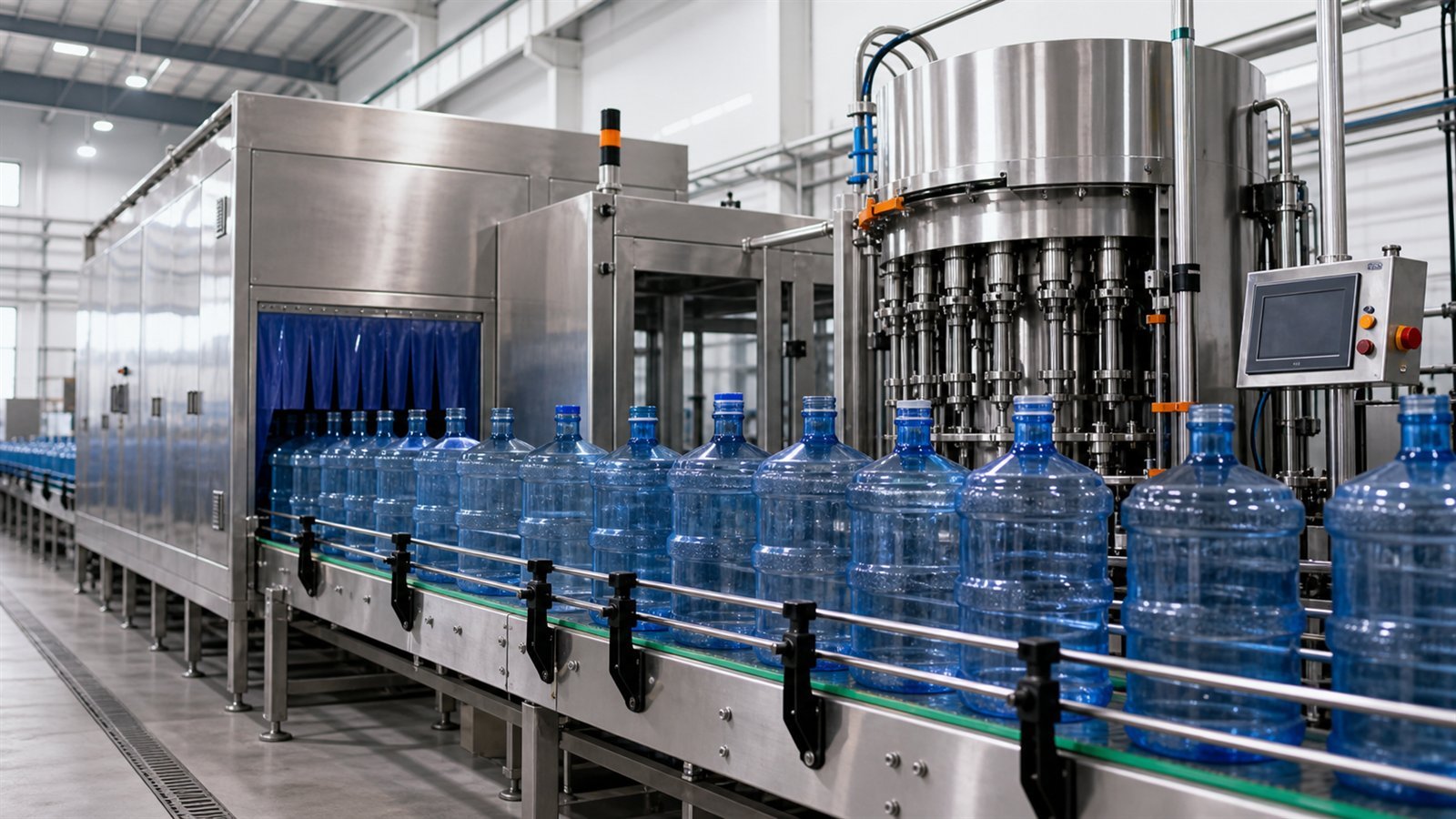
Large bottle washing, filling and capping for drinking water plants.
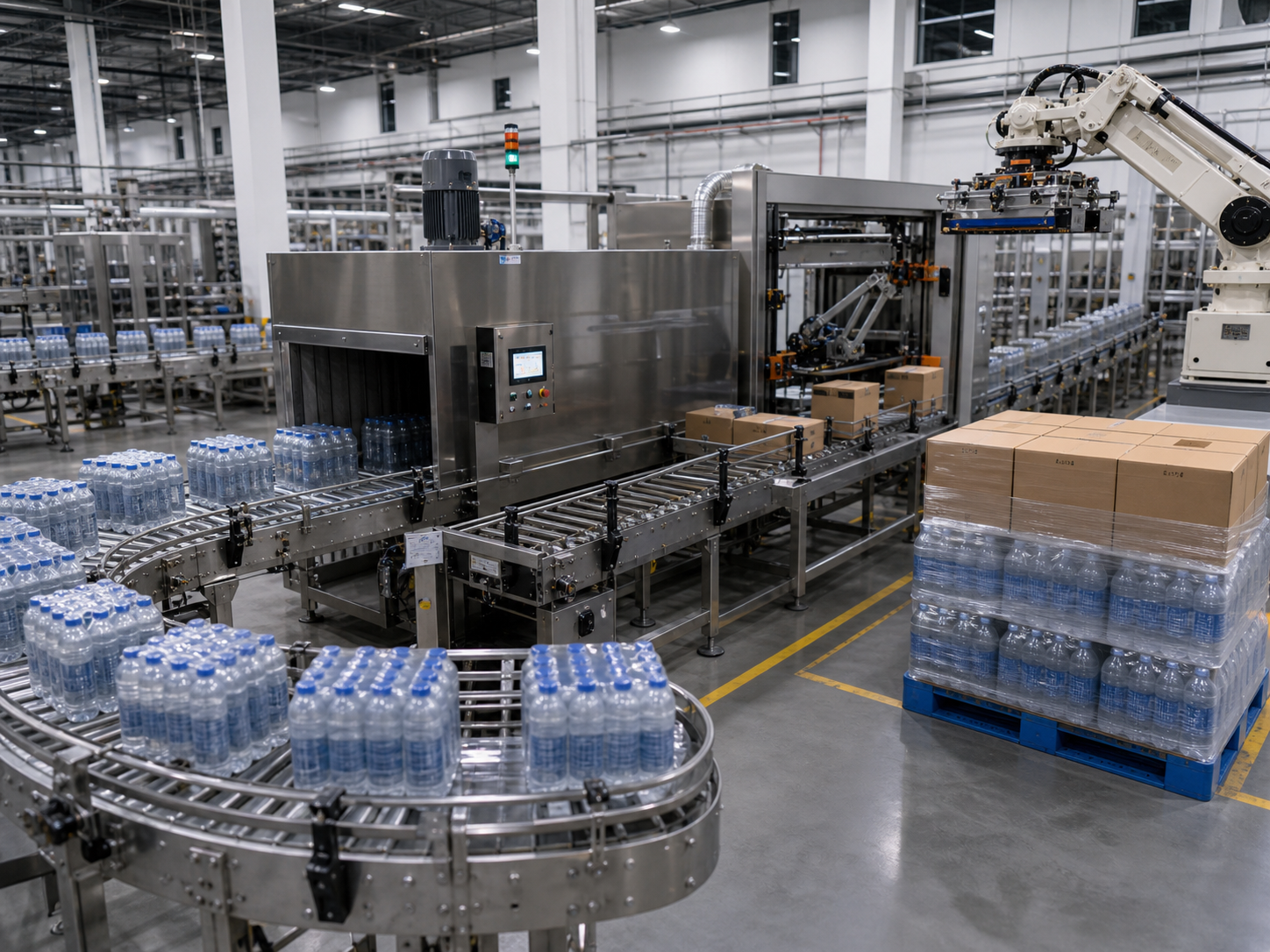
Shrink wrapping, carton packing, conveying and export-ready palletizing.
Best for
- Laundry detergent, cleaner and daily chemical liquids
- Foaming or mildly corrosive liquids
- HDPE and PET bottles with special caps
Not ideal for
- Food products needing food-grade process separation
- Highly hazardous chemicals without special safety design
- Carbonated beverages
Filling principle
Gravity, overflow or pump filling can be selected depending on viscosity, foam and fill-level appearance.
Details to confirm before quotation
- Foaming behavior
- Material contact parts
- Bottle material
- Trigger, pump or screw cap
- Labeling surface
- Carton packing
Continue technical comparison
FAQ
Can you recommend a filling machine from product details?
Yes. Send liquid type, viscosity, container, cap, output, accuracy and packaging needs. We will recommend a practical configuration.
Do you quote exact price without details?
No. We avoid fake prices. Filling machine cost changes with contact materials, head count, automation level, capping, labeling and packing scope.
Detergent and daily chemical duty
Control foam, strings and package cleanliness before selecting the filler
A detergent filling machine should be selected from the full formula range, not from one easy sample. Thin foaming cleaners, viscous gels and stringing liquids can require different feed pressure, nozzle motion, shutoff, metering and cleanout. Bottle rigidity, cap style and label presentation also affect whether the finished pack can move reliably through the line.Map the formula family
List viscosity and foam behavior, particles, temperature, chemical compatibility, fragrance or color changes and the worst expected changeover.
Map package risk
Check HDPE or PET stability, neck opening, handle orientation, cap or pump closure, induction liner and surfaces that must remain product-free.
Prove the operating window
Run the thinnest, most foaming and most viscous formulas at representative doses and line conditions.
| Product behavior | Configuration question | What the trial should reveal |
|---|---|---|
| Thin and foaming | Can the feed and nozzle sequence reduce turbulence, and is diving or bottom-up filling useful? | Foam height, settle time, dose result, wet necks, spills and sustainable output. |
| Viscous or stringing | Does the metering path maintain repeatability and does shutoff prevent tails? | Temperature, fill result, strings, product on the bottle, cycle time and residual hold-up. |
| Chemically demanding | Are wetted materials, seals, hoses and pumps compatible with every formula? | Written compatibility basis, sample exposure where appropriate, inspection points and replacement parts. |
| Frequent product change | Can the path drain, recover and clean without hidden retention? | Drain result, rinse or cleaning sequence, changeover time, first-good-pack evidence and waste quantity. |
Coordinate filling with closure and presentation
- Product tank, agitation where justified, pump and controlled supply to the filling manifold.
- Bottle infeed and support that avoids distortion under nozzles or capping heads.
- Cap, trigger, pump or specialty closure feeding with measurable application checks.
- Induction sealing or leak inspection when it belongs to the approved package system.
- Labeling, coding and packing only after exterior cleanliness is controlled.
- Ventilation, containment and operator protection must follow the actual safety data and local requirements.
Information that makes detergent quotations comparable
- Product data and safety sheets for the full formula range.
- Viscosity and foam observations at realistic filling temperatures.
- Bottle, cap, pump or trigger, liner and label samples for every format.
- Dose range, target good output and acceptable changeover plan.
- Cleaning, product recovery, containment, FAT and documentation expectations.
Specification note: Actual specifications depend on the final product, package, output, utilities, destination requirements and agreed project configuration.
Formula-to-line validation
Use the most difficult detergent formula to define the operating window
A line that handles one thin cleaner may not handle a foaming detergent, a viscous gel or a stringing liquid with the same setup. The proposed route should be checked against every formula family, package and closure, with particular attention to wetted-material compatibility, nozzle behavior, product recovery and cleanout.Worst formula
Test the highest foam, viscosity, stringing and compatibility demands.
Closure family
Include screw caps, pumps, triggers, liners and orientation requirements.
Changeover
Measure drain, rinse or cleaning work and the point at which saleable packs resume.
| Risk condition | Configuration question | Evidence to request | Downstream effect |
|---|---|---|---|
| Fast-foaming liquid | Can feed pressure and nozzle movement control turbulence? | Foam height, settle time, dose result and sustainable output | Wet necks can disrupt closure, induction sealing and labels |
| Viscous or stringing gel | Can metering and positive shutoff prevent tails and long cycles? | Temperature, fill result, strings, nozzle residue and stop-start video | Contaminated bottles create labeling and packing defects |
| Chemically demanding formula | Are metals, seals, hoses and pumps suitable for every product? | Compatibility basis, safety data review and replacement-parts list | Leaks or swelling can become safety and reliability risks |
| Pump or trigger closure | How are closures sorted, oriented, placed and tightened? | Approved closure samples, application checks and reject challenge | Tall or asymmetric closures affect guides and secondary packing |
| Frequent color or fragrance change | Can the path drain and clean without hidden retention? | Drain result, rinse sequence, first-good-pack point and waste record | Carryover can create visible product and brand-quality defects |
Configuration inputs that belong in a detergent-line request
- Formula list with viscosity and foam observations at realistic production temperature, plus safety data where relevant.
- Every bottle, cap, pump, trigger, liner, label and secondary pack with drawings or representative samples.
- Dose range, target good output, campaign sequence, product-change frequency and cleaning expectation.
- Containment, ventilation, operator protection and destination requirements defined by qualified local review.
- FAT products or safe substitutes, measurement method, defect limits, run duration and required evidence pack.