
Carbonated Drink Filling Machine Selection Guide
Choose carbonated drink filling equipment by CO2 level, pressure filling, foam control, bottle or can format and sealing method.
Equipment scope and reference views
Illustrative equipment views, not evidence of a supplied project or guaranteed capability. Confirm the actual configuration, drawings and samples in your proposal.
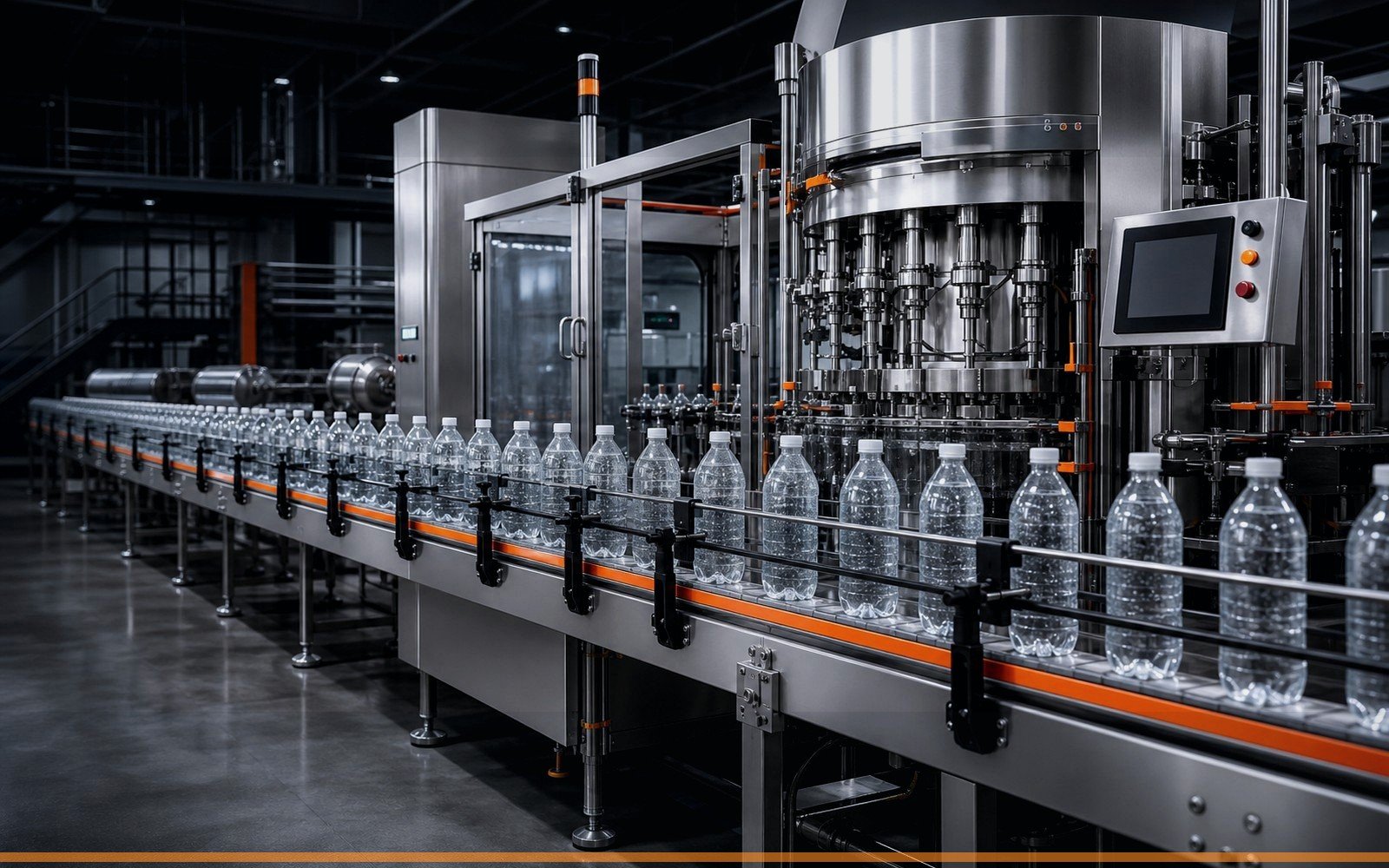
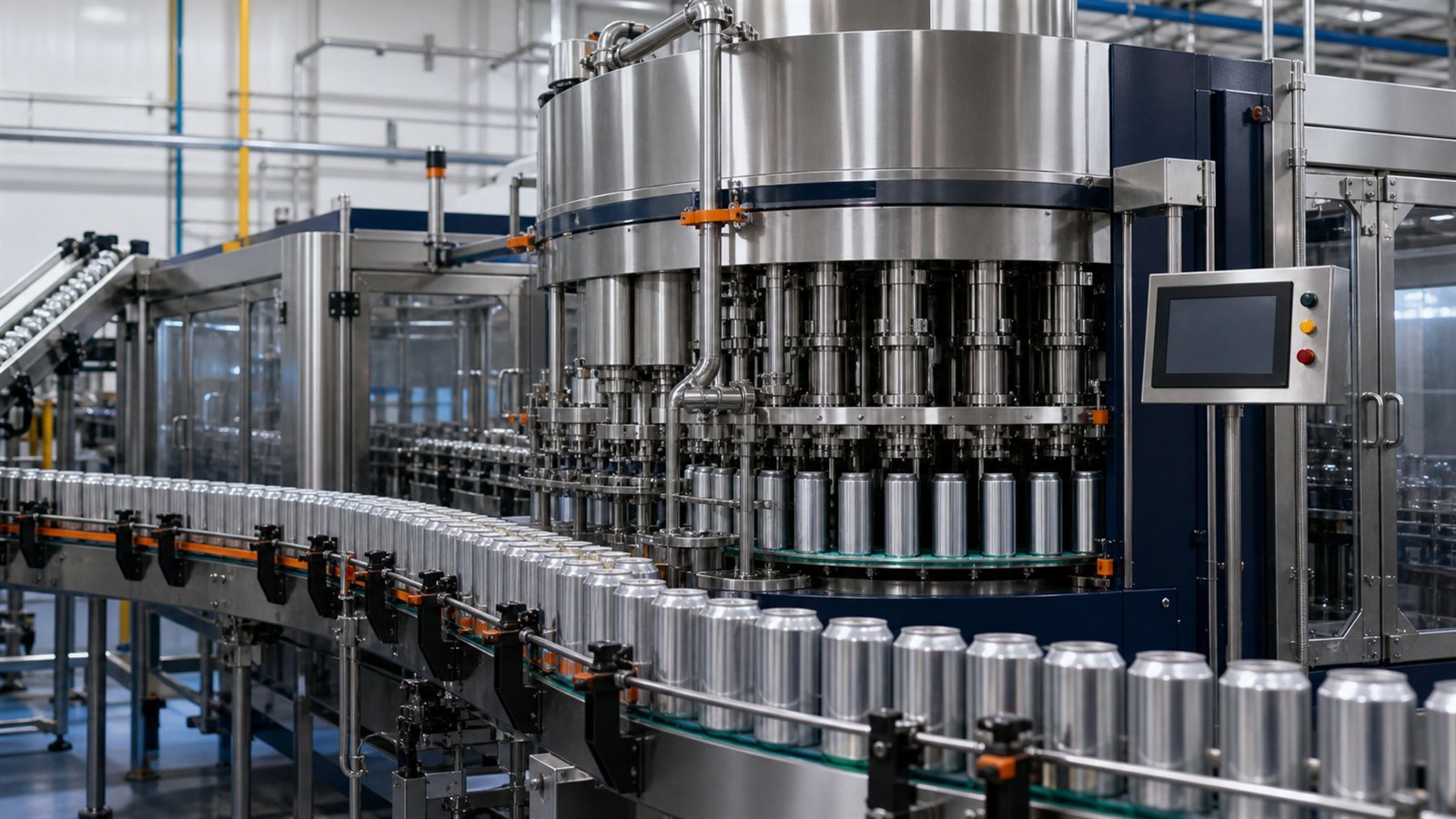
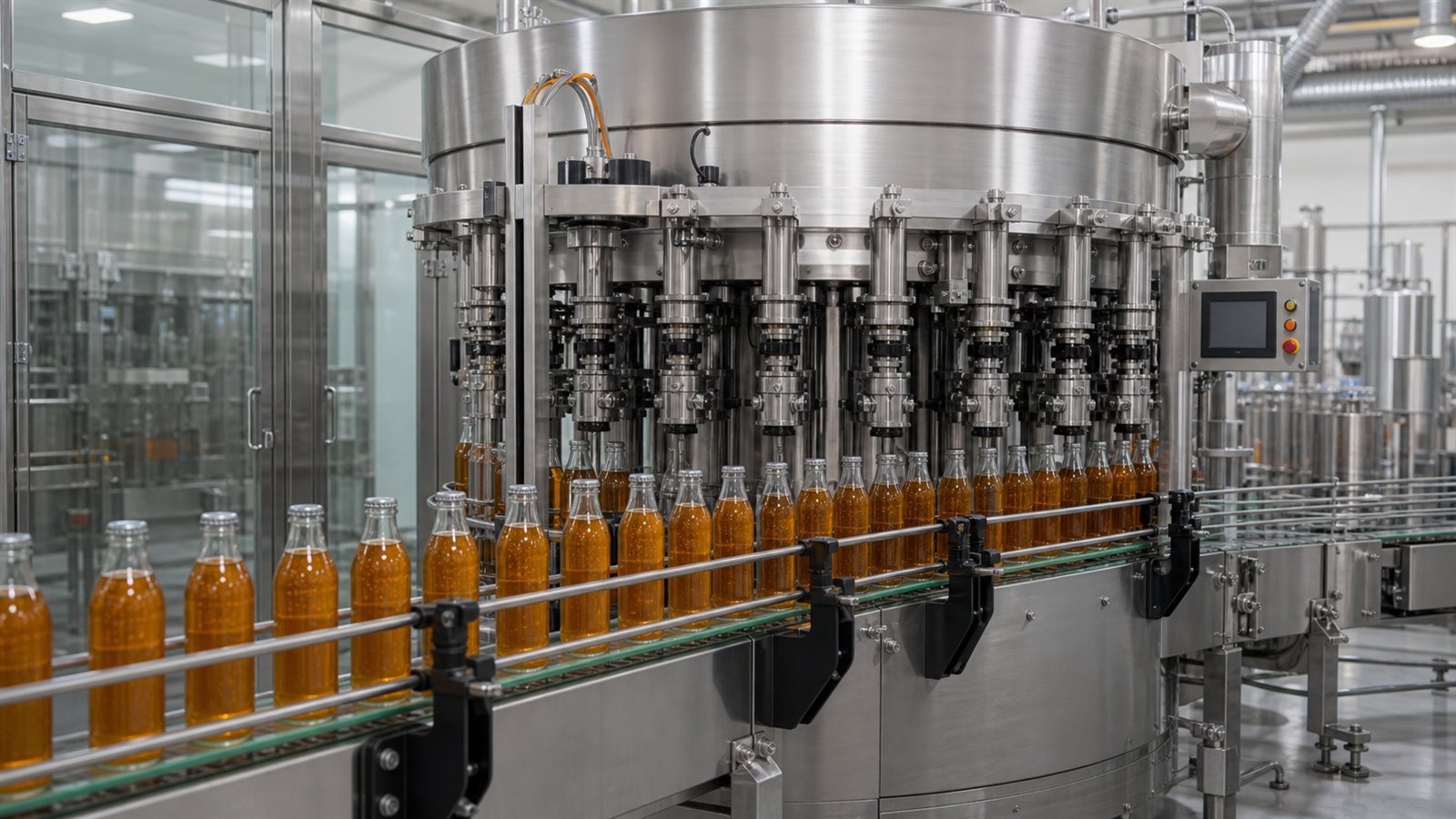
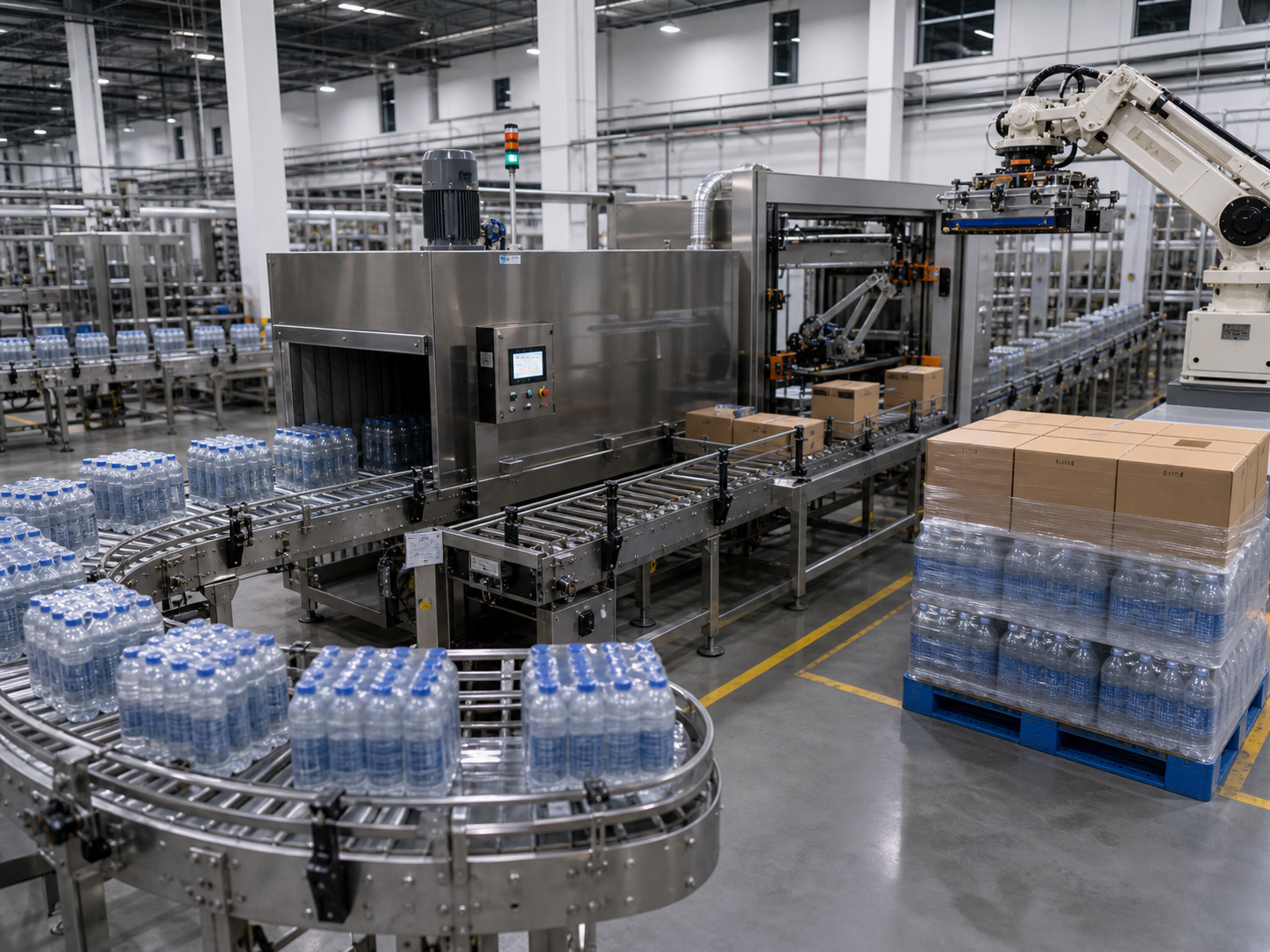
Choose a carbonated drink filler by package and test conditions
A carbonated drink filling machine needs to manage the product’s pressure and temperature as well as the fill and closure. Sparkling water, cola and other carbonated soft drinks can behave differently during filling. Compare machines against the same beverage, CO2 target, container, closure and accepted-output requirement. Allot Tech coordinates China equipment sourcing around that written basis.
| Package | What changes | What to verify |
|---|---|---|
| PET bottle | Bottle handling, neck finish, cap application and the package’s approved pressure conditions. | Bottle and closure drawings, format parts, sealing checks and trials with production-intent bottles and caps. |
| Glass bottle | Handling and inspection requirements, closure style and the response to rejected or broken containers. | Package compatibility, the agreed inspection scope, guarding and the supplier’s documented breakage procedure. |
| Beverage can | Can-and-end specifications and a seaming system instead of bottle capping. | Fill-to-seamer transfer, seam inspection method, format change parts and closure results from the agreed trial. |
Why choose isobaric filling instead of an ordinary still-water filler?
Counter-pressure filling controls the pressure relationship between the product system and the container to limit gas breakout during filling. Pressure release, filling behavior and the transition to closing all matter. A machine that fills still water successfully has not thereby demonstrated suitability for a carbonated beverage.
Do not compare proposals using “high pressure” or a speed number without conditions. Request the operating envelope, product temperature, carbonation measurement method and approved package conditions. The isobaric filler test plan explains how to record CO2, foam, closure and accepted output together.
What belongs in a complete carbonated drink filling line?
Depending on the starting material and project boundary, the line may need water treatment, syrup preparation, blending, chilling, carbonation, filling, closing and end-of-line packaging. A filler-only price is not a price for all of these systems. Ask who supplies the CO2 source, utility connections and controls between machines, and who is responsible for commissioning the connected line.
Review the complete carbonated drink line for the broader scope, or the can filling line for can-specific equipment. Retain a separate acceptance row for every bottle or can format; do not apply one format’s test result to the entire range without evidence.
Which details help us prepare a useful recommendation?
- Product type and composition that affects filling, including any pulp or foaming behavior.
- Target carbonation, the unit used and the measurement conditions. “Volumes” and g/L should not be compared without a documented basis.
- Product temperature at the machine inlet and the capacity and responsibility for upstream cooling.
- Container and closure drawings, sample availability, nominal fill and the range of formats.
- Required good packages per hour, normal operating period and the agreed handling of stops, restart losses and rejects.
Record the result in the machine quotation checklist. A meaningful comparison includes the machine boundary, product losses, changeover, cleaning, service access, spares and test evidence, not only the initial price.
Operate only within the supplier-approved equipment and package ratings. Pressure settings and safety procedures must come from the responsible supplier and site team; do not bypass interlocks or improvise tests on unsuitable containers.
Selection points
- CO2 retention
- Isobaric filling
- Foam control
- PET, glass or can
- Capping or seaming
What affects quotation
Real price depends on liquid property, container, cap, output, filling accuracy, contact materials, automation level and packaging equipment.
Before buying
Send product photos, bottle drawings, cap details, target speed and destination country so the machine can be matched correctly.
FAQ
Can you quote this machine from a product name only?
We can give direction, but a practical quotation needs liquid property, container, cap type, speed and packaging requirements.
Can capping, labeling and packing be matched together?
Yes. Filling speed, bottle shape and cap type should be matched with capping, labeling, coding, conveyors and packing equipment.