
Water Filling Machine Selection Guide
Choose water filling equipment by bottle size, flow behavior, filling speed, cap type, label method and packing requirement.
Equipment scope and reference views
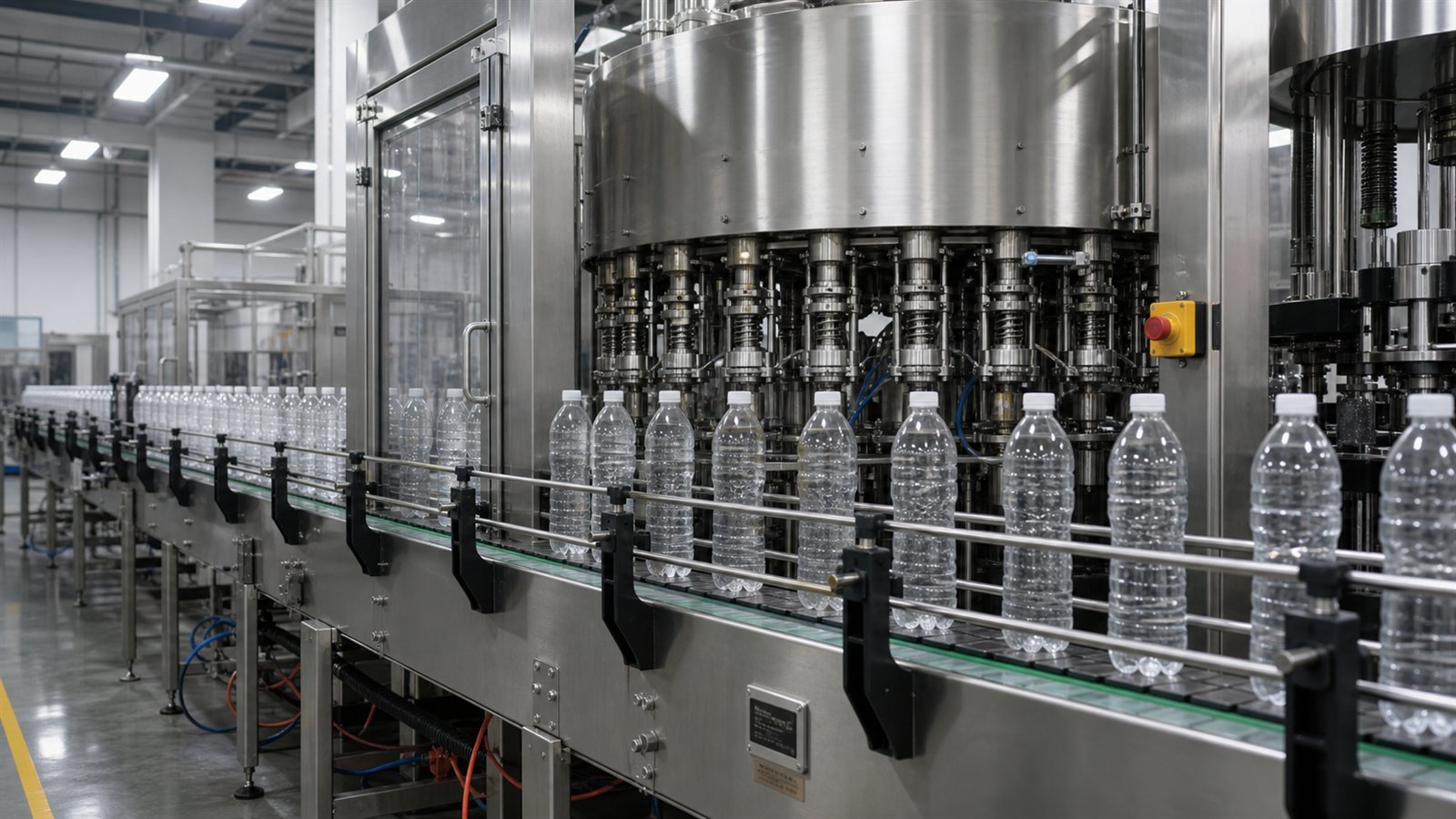
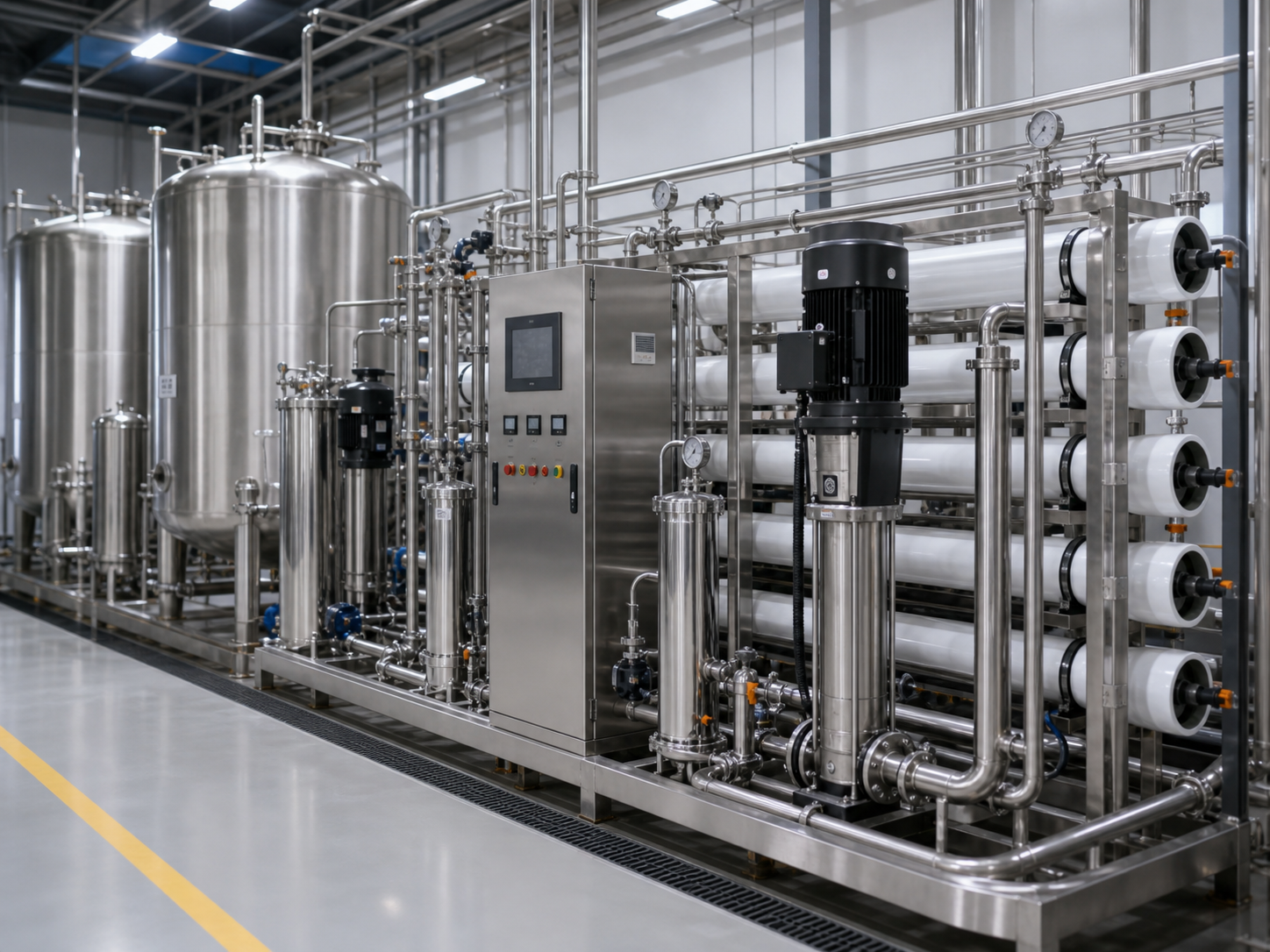
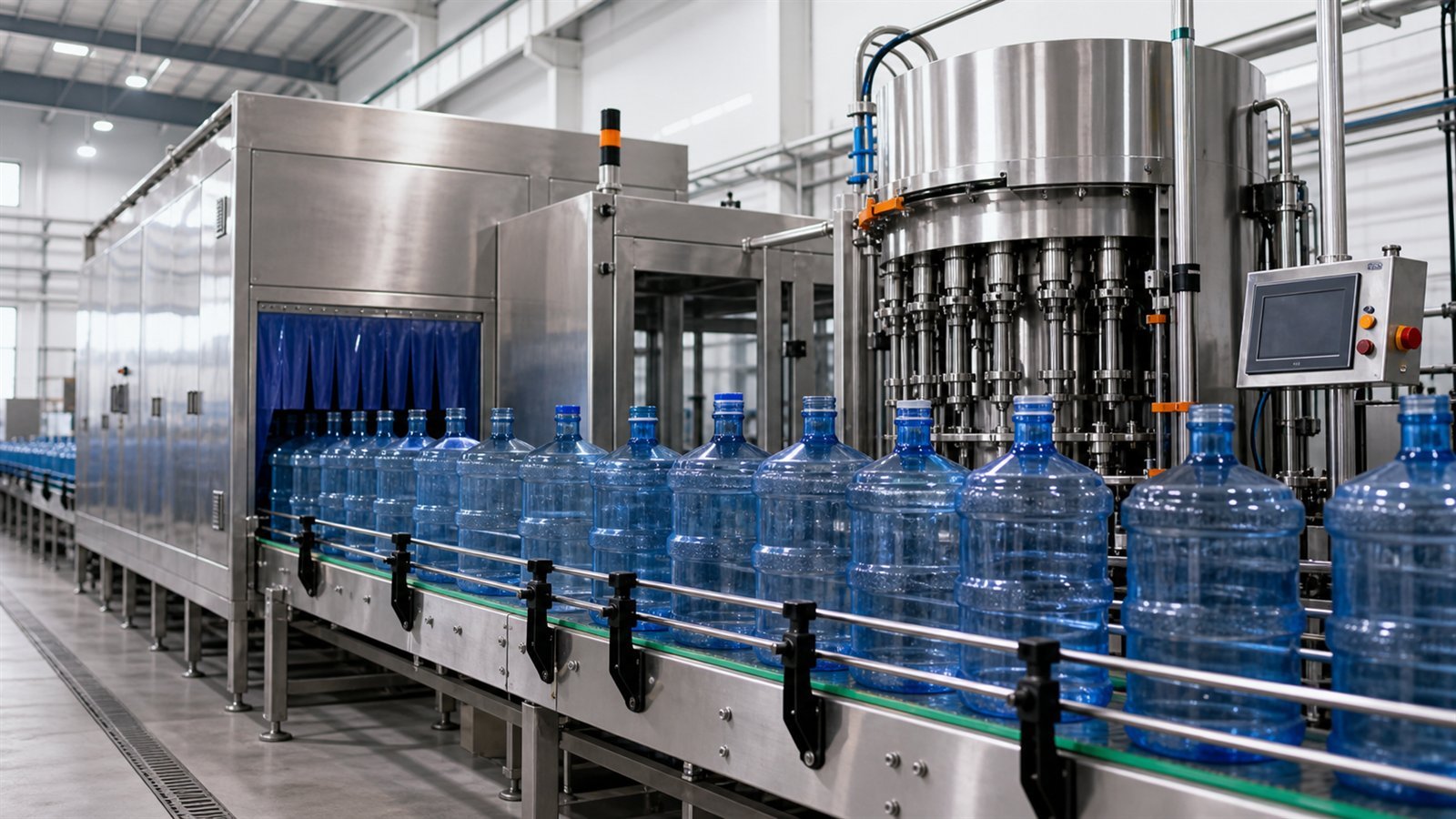
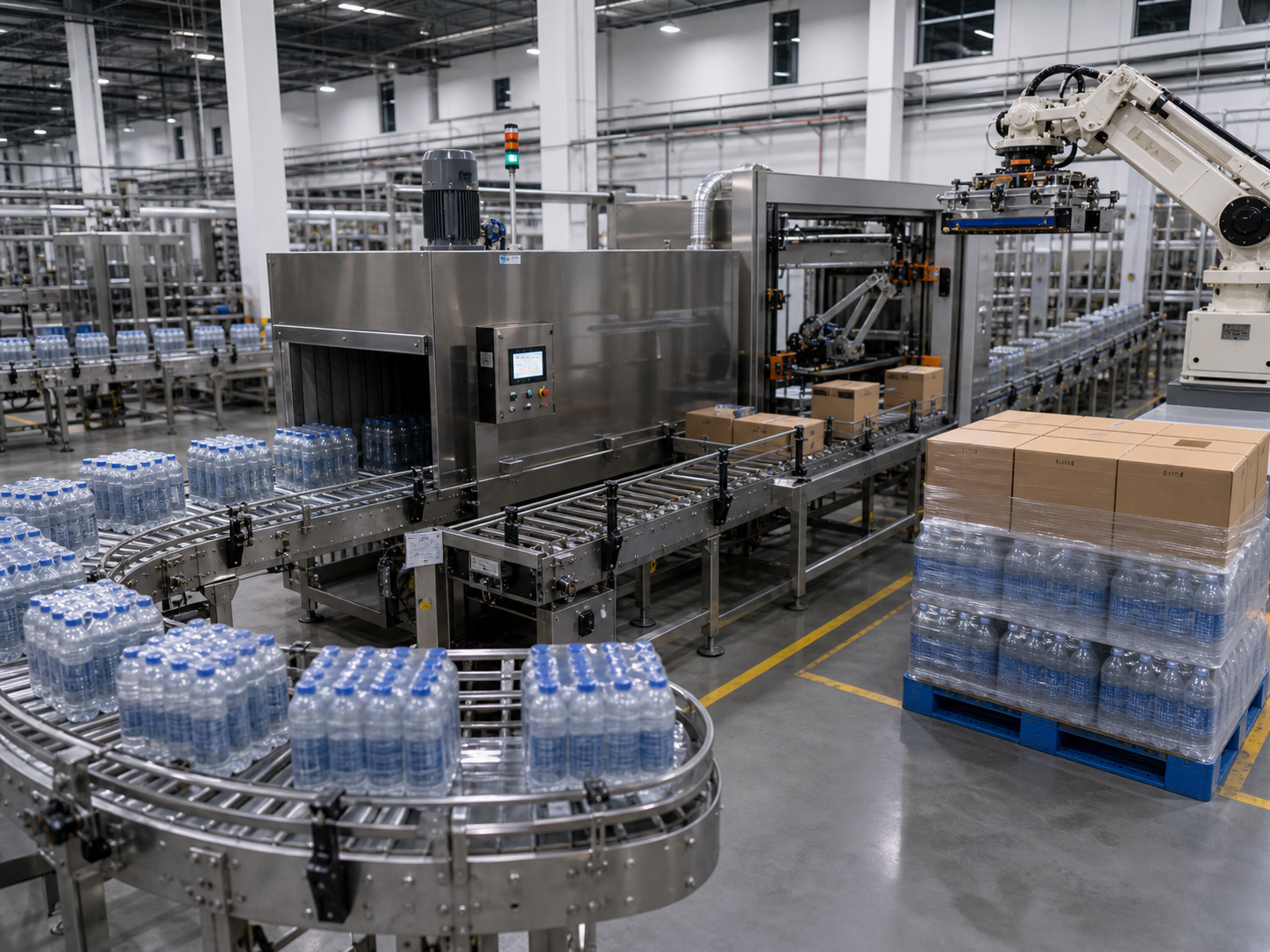
Illustrative equipment views, not evidence of a supplied project or guaranteed capability. Confirm actual configurations, drawings and package samples in the proposal.
Which water filling machine fits your bottle and production plan?
A still-water filler should be selected around an approved bottle-and-cap combination and the required saleable output. Bottle volume alone is not a machine specification. Neck finish, bottle stability, closure application and the method of feeding empty bottles can change both the equipment and the quotation.
Allot Tech helps buyers define the requirement and source equipment from China. The proposal must identify the actual supplier configuration, included equipment and evidence for the stated duty. This page is a selection guide, not a list of guaranteed models or capacities.
| Application | What to compare | Evidence to request |
|---|---|---|
| Still water in single-use PET bottles | Rinsing, gravity or suitable metered filling, neck handling and cap application; standalone filler or integrated blowing and filling. | Approved neck and cap drawings, bottle samples, fill result and accepted output for each format. |
| Still water in glass bottles | Bottle preparation, gentle transfer, breakage control and the specified closure. Do not assume PET change parts are sufficient. | Handling trial, closure checks and a documented glass breakage response for the proposed machine. |
| Large bottles or returnable water containers | Container loading, washing duty where applicable, filling support, closure and discharge handling. | Container history and condition, cleaning verification and output on the actual container. |
| Sparkling water | A carbonated-product process, pressure-rated package and an appropriate filling method. A still-water quotation is not interchangeable. | Agreed carbonation and temperature conditions, package rating and product trial. |
Use the bottled water line overview for the complete process, the 5-gallon line page for returnable containers, or the carbonated drink filler guide for sparkling products.
Can the same machine run 500 ml and 1.5 L bottles?
Only if both packages are included in the approved format list. Ask the supplier to list bottle height, diameter, neck finish, cap dimensions, change parts and the output for each bottle. A common neck finish can simplify some handling tasks, but it does not establish identical filling time, conveyor stability or packer performance. Include square or lightweight bottles as separate trial formats where they behave differently.
How much water must the process supply?
For an illustrative filler duty of 12,000 bottles per hour at 500 ml, product demand during running is 12,000 x 0.5 / 1,000 = 6 cubic metres per hour. This is product in bottles only. It excludes rejected product, rinsing, cleaning, treatment losses and peak demands. It is not a recommended plant size or a guaranteed machine output.
State usable production hours and the daily quantity of good bottles separately. Then agree a measured output test that includes the relevant stops and rejects. Review the capacity planning guide before choosing a nominal machine speed.
Filler price or complete bottling line price?
Ask each supplier to mark every item as included, optional or buyer-supplied. A low filler price can exclude the systems needed to run it. Compare the same bottle, cap, output basis, automation and delivery boundary before comparing totals.
- Water preparation: source-water analysis, treatment scope, product tank, transfer and the quality required at the filler inlet.
- Empty bottles: purchased-bottle feeding or a blowing system, preform and mold requirements, and the relevant air supply.
- Filling cell: bottle preparation, filler, cap sorting and feeding, cap application, guards and cleaning provisions.
- Finished packs: inspection, coding, labeling, conveyors, packer and pallet handling where required.
- Handover: format parts, drawings, manuals, training scope, spares, agreed acceptance tests and site responsibilities.
Request a project-specific water treatment scope. A bottle filler does not by itself turn an unknown source into compliant drinking water. Product quality, hygienic design and the validated operating process need separate approval.
What should the supplier demonstrate before shipment?
- Run the approved bottles and caps, identify the product or agreed test medium, and record the operating conditions.
- Measure fill quantity using the agreed method and instruments; compare it with the written acceptance criterion, not appearance alone.
- Check closure application, package condition and leakage using the approved cap-and-bottle procedure.
- Record good output, rejects and stop reasons over the agreed test period; demonstrate format change and restart.
- Close the test punch list, retain the drawings and confirm which installation checks still need to happen at the buyer’s site.
Send a water-filling enquiry that can be quoted
Include still or sparkling water, source-water information, every bottle and cap drawing, target good bottles per hour, daily demand, utilities, available floor area, destination and the required retail pack. Attach real package samples when requested. For a comparable quotation, start with the RFQ checklist and send your project details.
Selection points
- Water-like viscosity
- PET or glass bottle format
- Gravity or overflow filling
- Cap sorting and capping
- Labeling and shrink packing
What affects quotation
Real price depends on liquid property, container, cap, output, filling accuracy, contact materials, automation level and packaging equipment.
Before buying
Send product photos, bottle drawings, cap details, target speed and destination country so the machine can be matched correctly.
FAQ
Can you quote this machine from a product name only?
We can give direction, but a practical quotation needs liquid property, container, cap type, speed and packaging requirements.
Can capping, labeling and packing be matched together?
Yes. Filling speed, bottle shape and cap type should be matched with capping, labeling, coding, conveyors and packing equipment.