
Filling Machine Selection Guide
Select a liquid filling machine by viscosity, foam, particles, temperature, container, cap, output, accuracy and automation level.
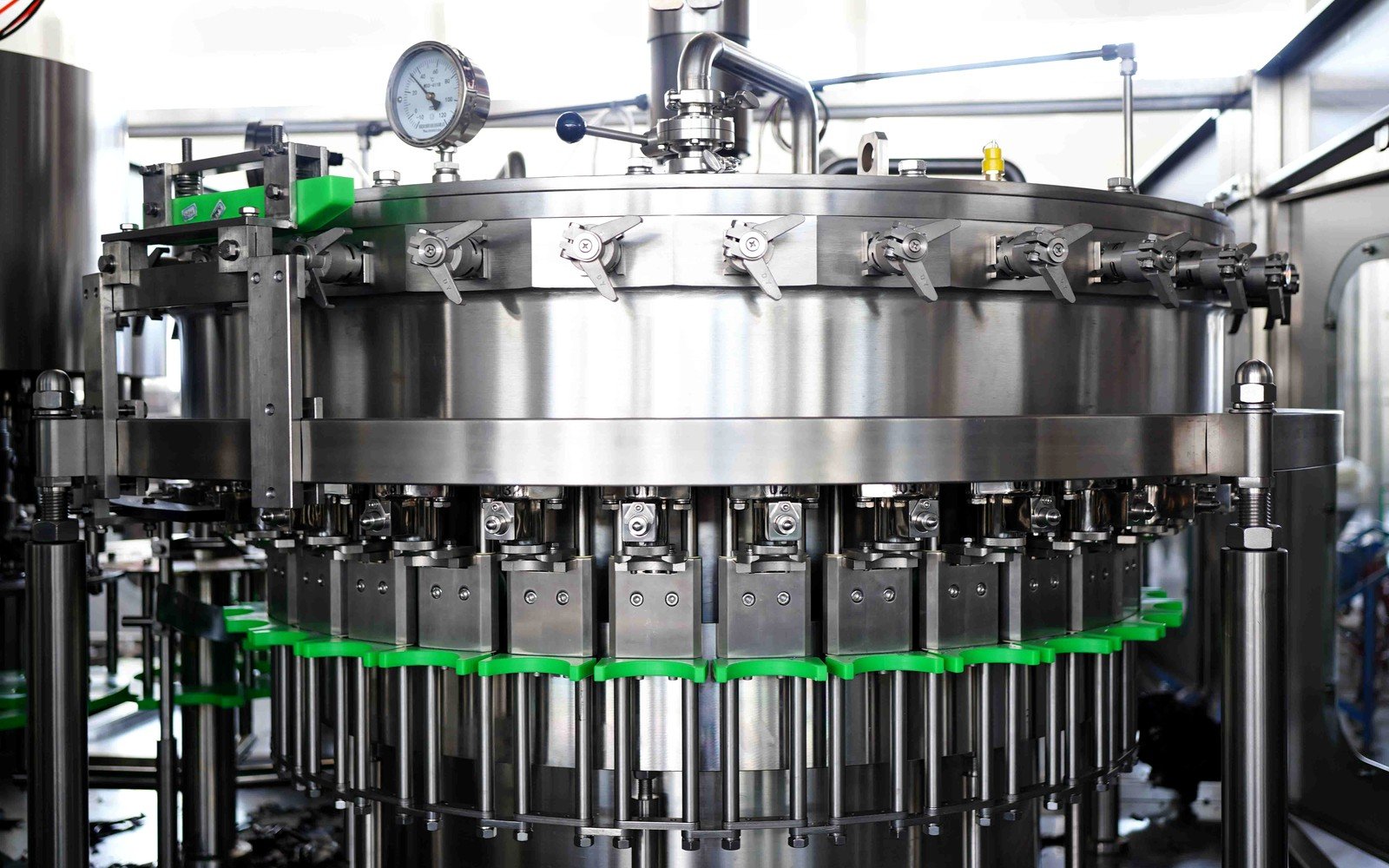
Start with the liquid, not the machine name
The same product name can require different filling technology depending on viscosity, foam, particles and package.
- Confirm liquid name and viscosity
- Check foaming and particles
- Confirm bottle or container size
- Choose capping and sealing method
- Match labeling and packing
- Plan capacity and automation
Information to prepare
Good suppliers need practical details before recommending machine configuration.
- Liquid sample information
- Bottle photo or drawing
- Cap type
- Target output
- Filling accuracy
- Destination country and voltage
From shortlist to product trial
Which filling machine should you test with your product?
Use a shortlist to define a trial, not to promise suitability before testing. The examples below explain different selection questions; they are not stock-machine specifications or claims that every formulation can use the same equipment.Three different products, three different acceptance questions
| Application | Initial route to investigate | Trial that decides suitability |
|---|---|---|
| Still water in a lightweight PET bottle | Gravity or another method suited to the liquid, with bottle handling and capping matched to the actual package. | Test the least stable bottle, maximum requested rate, fill consistency, neck wetting, closure application and transfers. Bottle handling may limit the line before liquid delivery does. |
| Foaming detergent with a trigger closure | A compatible pump or metering arrangement with a reviewed nozzle motion and filling profile. | Use the actual formulation across its agreed temperature range. Observe foam settling, dose repeatability, drips, bottle exterior and closure feeding. Check wetted-part compatibility separately. |
| Viscous sauce containing particles | A piston or suitable positive-displacement route with a product path sized for the particles and cleaning process. | Test particle distribution, blockage, shear damage, dose variation, nozzle shutoff and cleaning access. The largest particle and narrowest passage matter, not viscosity alone. |
Ask for a defined trial record
- Identify the product batch, temperature, fill volume, container, closure and any substitute material used. Explain how a substitute differs from your production product.
- Record machine configuration, nozzle or filling-head identity, supply condition and actual operating rate. Retain raw measurements, not only a summary statement.
- Agree sample count, sampling locations, acceptable variation and repeat-run conditions before testing. Include start-up, normal running and stop-start behavior where relevant.
- Measure dose with suitable, checked equipment. Keep volume, mass and visible fill height separate; converting mass to volume requires an appropriate density and temperature basis.
- State who approves cleaning, materials, guarding and destination requirements. A successful dosing trial does not by itself validate hygiene, shelf life or legal compliance.
When does a linear or rotary filler make sense?
Compare the complete SKU schedule rather than one best-case bottle. A line with frequent format changes may value access, setup time and format flexibility differently from a dedicated high-volume line. Request demonstrated changeover steps, required parts, restart losses and sustained output on the difficult SKU. Do not select the architecture from a universal BPH threshold.
Can one machine fill water, oil and sauce?
Sometimes a machine can cover more than one liquid, but the claim needs a written operating envelope. Product viscosity, particles, chemical compatibility, dose range, nozzle geometry and cleaning can make the change impractical. Ask for the permitted products, excluded products, required change parts and a trial on both ends of the intended range. Keep carbonated, hot-fill and hygiene-sensitive processes separate unless the complete process has been evaluated.
Buyer decision brief
Select the filling principle before comparing machine prices
Gravity, overflow, piston, pump, weight, vacuum, hot-fill and isobaric systems solve different product and package problems. Hold the requirement constant before inviting quotations.Cost basis
Define product flow, viscosity, foam, particles, temperature, pressure, sensitivity, hygiene and cleaning conditions across the complete operating range.
Included boundary
Provide container drawings, neck opening, closure, dose range, fill-level or volume criterion, stability, samples and every planned format or SKU.
Operating impact
Convert saleable demand into output by format, batch and shift, then include changeovers, refill, cleaning, capping, labeling, packing and normal downtime.
Comparable evidence
Compare methods using product and package trials, measurable fill results, changeover work, cleaning, waste, utility use and a written sustained-run test.
Filling principle decision
Select filling equipment from product behavior and package evidence
The correct filling principle is the one that can meet the agreed dose or level, cleanliness and output across the real product and package range. Product viscosity, foam, particles, temperature, conductivity, air sensitivity and cleaning needs matter alongside bottle rigidity, opening, fill volume and closure handling.Liquid window
Use the thinnest, thickest, coldest, warmest and most difficult approved product.
Package window
Use the smallest opening, least stable bottle and every closure family.
Acceptance
Define measurement, sample plan, defects and good-output run before model selection.
| Filling route | Useful starting fit | Important limitation | Evidence before selection |
|---|---|---|---|
| Gravity or time-pressure | Free-flowing non-carbonated liquids where the product and supply condition suit the method | Head pressure, viscosity and timing changes can affect repeatability | Trials at expected temperature and supply-level extremes |
| Overflow or level filling | Containers where a visually consistent level is the primary objective | Delivered volume can vary with container internal volume | Bottle-volume study and finished-level acceptance samples |
| Piston or positive displacement | Viscous or semi-viscous liquids and defined dose ranges | Particles, seals, cleaning, strings and changeover range require review | Product trials at minimum and maximum doses with cleaning evidence |
| Pump or flow-meter | Applications compatible with the selected pump or meter and control strategy | Meter technology, conductivity, entrained air and supply stability can change suitability | Written product compatibility plus calibration and nozzle-by-nozzle results |
| Net-weight | Larger or high-value fills where direct mass measurement justifies the complexity | Tare variation, vibration, scale range and cycle time must be managed | Tare strategy, scale verification and repeatability study |
| Isobaric or pressure filling | Carbonated products requiring controlled pressure transfer | Product temperature, carbonation, pressure stability and package quality are critical | Representative product run with foam, carbonation and closure checks |
Selection mistakes that create expensive rework
- Selecting from a single easy sample while the production range includes foam, particles or large viscosity changes.
- Using headline bottles per hour without naming the fill size, bottle, product and good-output efficiency basis.
- Ignoring cleaning, drainability, product recovery and the time needed between recipes or allergens.
- Treating filling, capping, labeling and packing as separate purchases without interface responsibility.
- Accepting a model name before the supplier documents trial conditions, limits and the proposed acceptance method.