
Juice Filling Machine Selection Guide
Select juice and tea filling equipment by filling temperature, pulp, bottle material, cap sterilization, cooling and cleaning method.
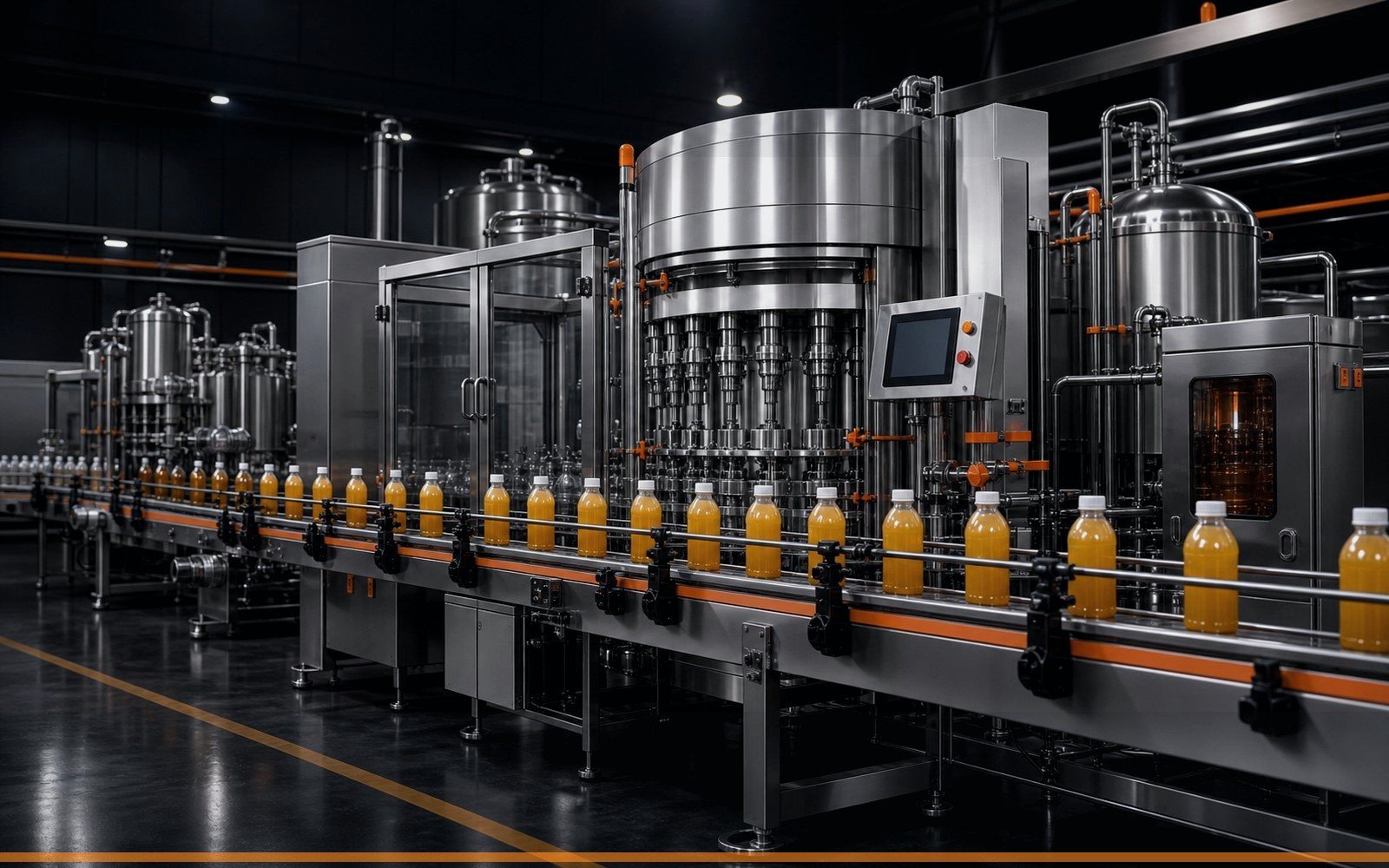
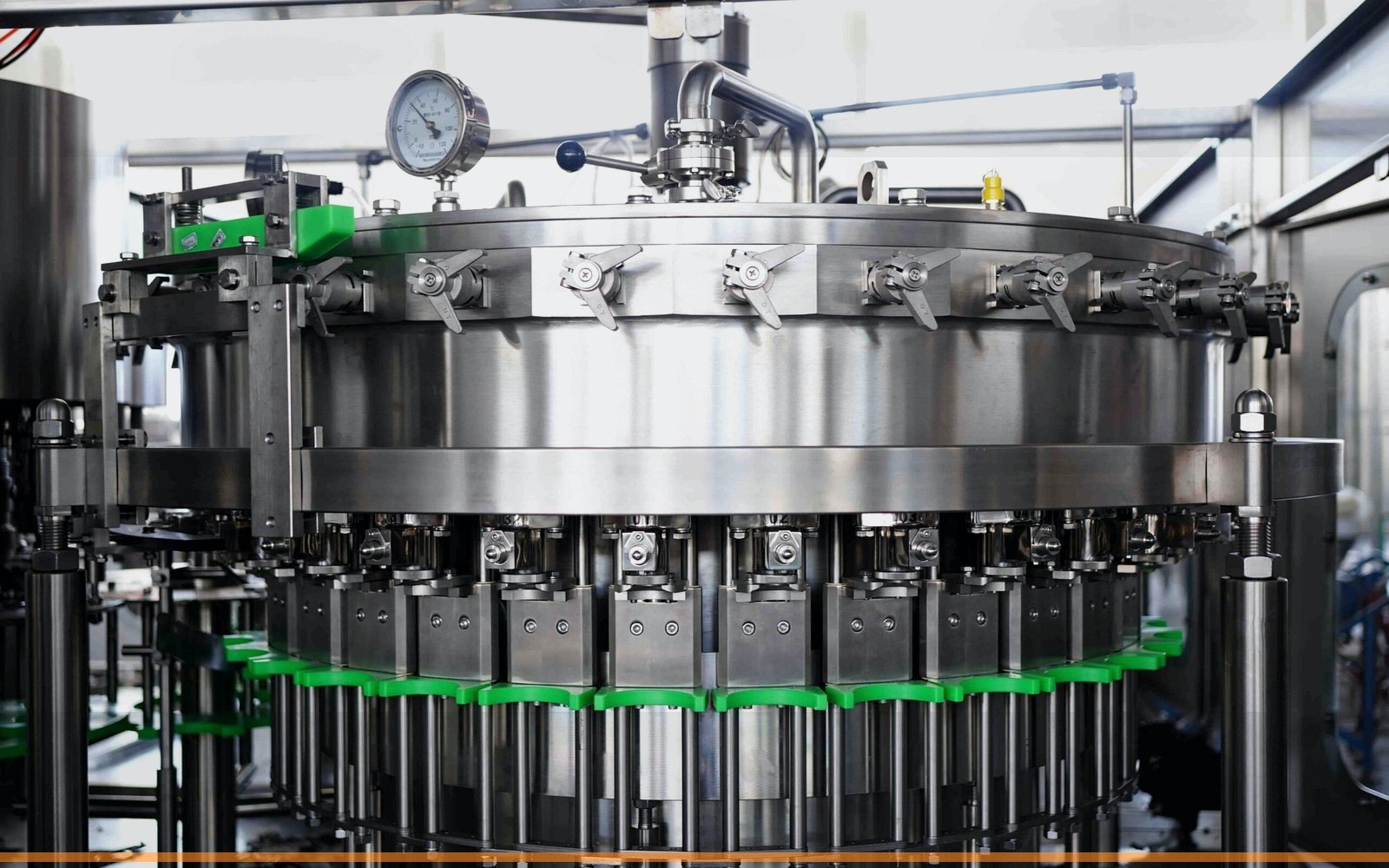
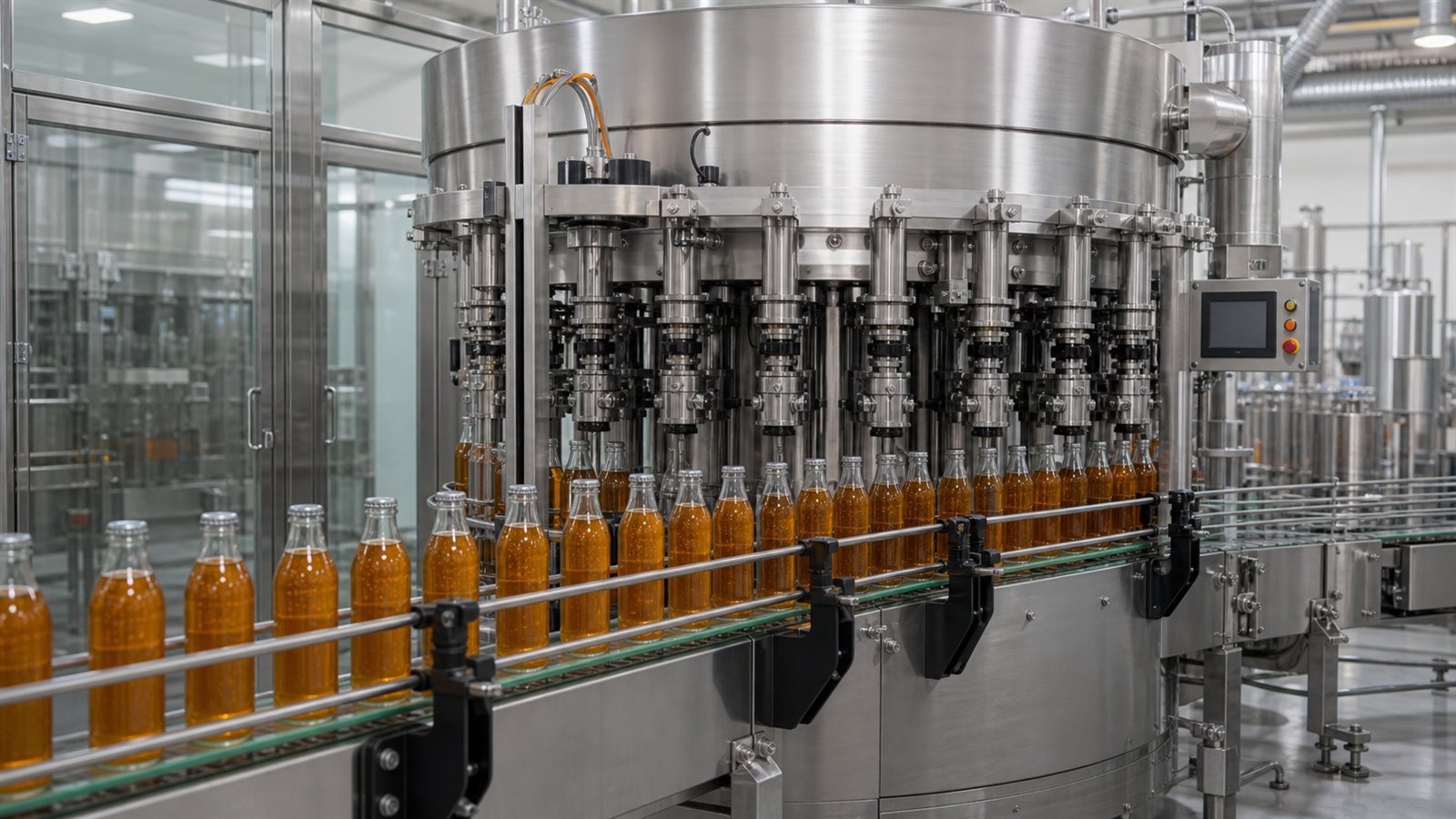
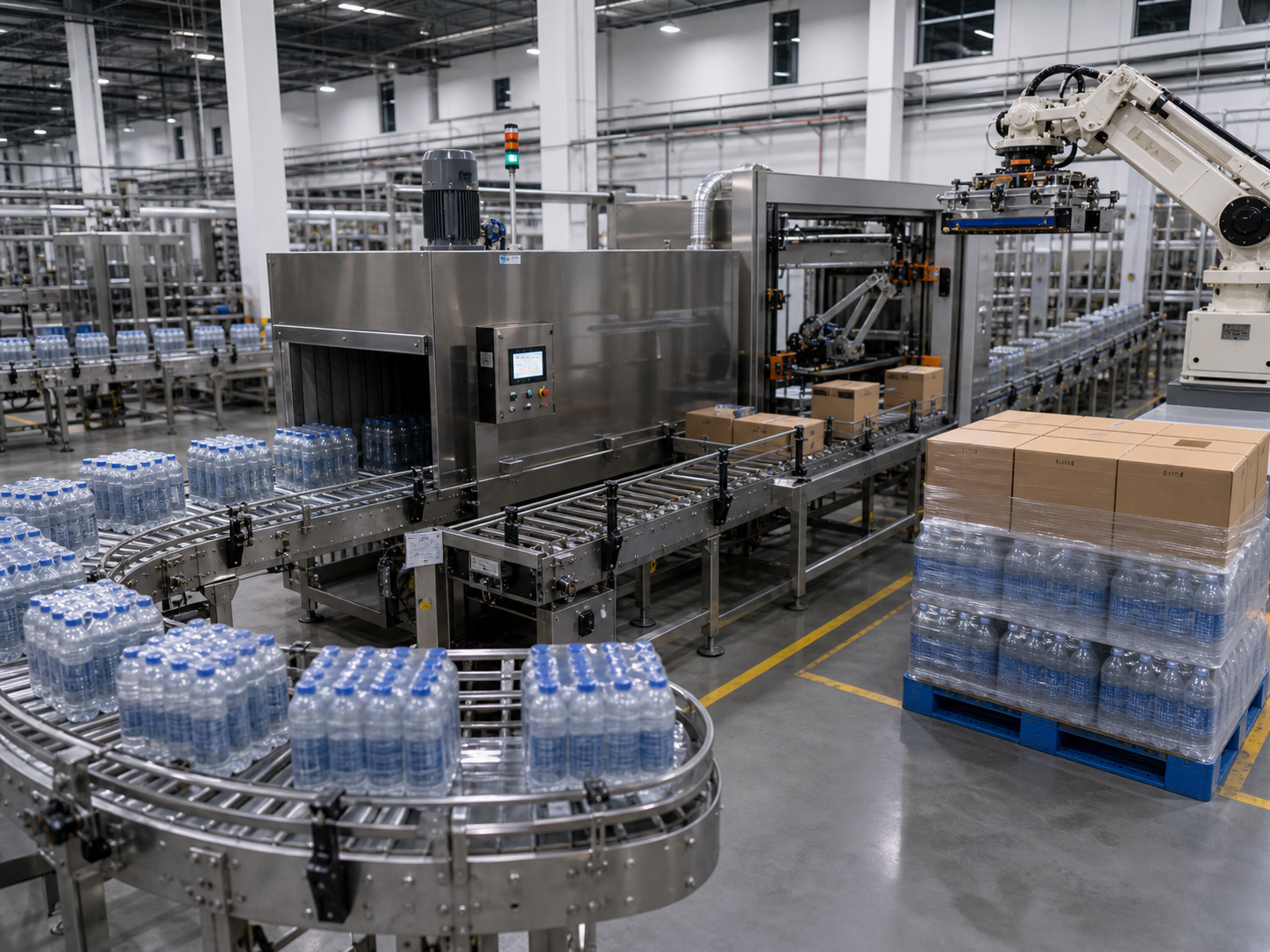
Equipment scope and reference views
Illustrative equipment views, not evidence of a supplied project or guaranteed capability. Confirm the actual configuration, drawings and samples in your proposal.
Which juice filling machine fits your product?
Start with the beverage process and the finished package, not a machine speed alone. Clear juice, nectar, tea and juice with visible pulp can need different product paths even when they use the same bottle. Allot Tech helps buyers define that duty and compare equipment proposals from China; the final configuration needs supplier confirmation against your actual product and packaging.
| Application | Decision to make | Evidence to request |
|---|---|---|
| Clear juice or tea, hot fill | Match the approved thermal process to the filler, temperature monitoring, closure treatment and cooling equipment. | A process diagram, temperature-control description and bottle-and-cap trial under the agreed operating conditions. |
| Nectar or juice with pulp | Compare a mixed-product filling path with separate particle and liquid dosing where the formulation requires it. | Particle dimensions, concentration, viscosity and distribution results from a representative-product trial, not a water-only demonstration. |
| Chilled or aseptically processed beverages | Define the preservation route first. Cold filling alone does not make a product shelf-stable; aseptic filling is a separately validated system. | A qualified process review covering product, package, filling environment, cleaning, storage and distribution requirements. |
Can an ordinary PET bottle be used for hot filling?
Do not assume so. Ask the packaging supplier to confirm the bottle, neck finish and closure for the intended temperature and cooling cycle. Review deformation, closure sealing and label application after a representative run. Glass also needs an agreed thermal-handling process. A material name such as PET or glass does not prove that a particular bottle is suitable.
What is the difference between a 3-in-1 and a 4-in-1 juice filler?
A 3-in-1 description commonly refers to rinsing, filling and capping in one machine. Some pulp applications use an additional dosing stage. Names vary, so require the supplier to list each operation and show where liquid and particles enter the bottle. More stages do not automatically mean better particle distribution or a better fit for your recipe.
Use the pulp filling trial and sampling guide to specify what must be demonstrated. For the equipment before and after the filler, see the complete juice and tea filling line.
What should a juice filling machine quotation include?
- Product basis: beverage type, viscosity at filling conditions, solids, foaming tendency, approved processing route and cleaning requirements. A sample can be more useful than the word “juice.”
- Package basis: bottle and closure drawings, nominal fill, tolerances, material, neck finish and every planned format.
- Output basis: accepted bottles per hour for each format, test duration, rejects, planned stops and changeover requirements. State whether upstream and downstream equipment are included.
- Scope boundary: preparation, thermal processing, filler, cap treatment, cooling, coding, labeling, packing, utilities, installation support and spare parts. Mark each item included, excluded or supplied by the buyer.
A single headline price cannot resolve these differences. Use the quotation checklist to obtain comparable proposals and the capacity planning guide to separate rated machine speed from required saleable output.
Equipment selection is not food-process validation. Have the product and preservation process reviewed by a qualified specialist; agree the acceptance criteria before testing. No universal fill temperature or shelf-life promise is implied here.
Selection points
- Hot fill or room temperature
- Pulp or no pulp
- PET or glass bottle
- CIP cleaning
- Cooling, labeling and packing
What affects quotation
Real price depends on liquid property, container, cap, output, filling accuracy, contact materials, automation level and packaging equipment.
Before buying
Send product photos, bottle drawings, cap details, target speed and destination country so the machine can be matched correctly.
FAQ
Can you quote this machine from a product name only?
We can give direction, but a practical quotation needs liquid property, container, cap type, speed and packaging requirements.
Can capping, labeling and packing be matched together?
Yes. Filling speed, bottle shape and cap type should be matched with capping, labeling, coding, conveyors and packing equipment.