
Automatic Linear Filling Machine for Flexible Production
Linear filling machines are practical for flexible liquid packaging projects with changing products, bottle sizes and automation budgets.
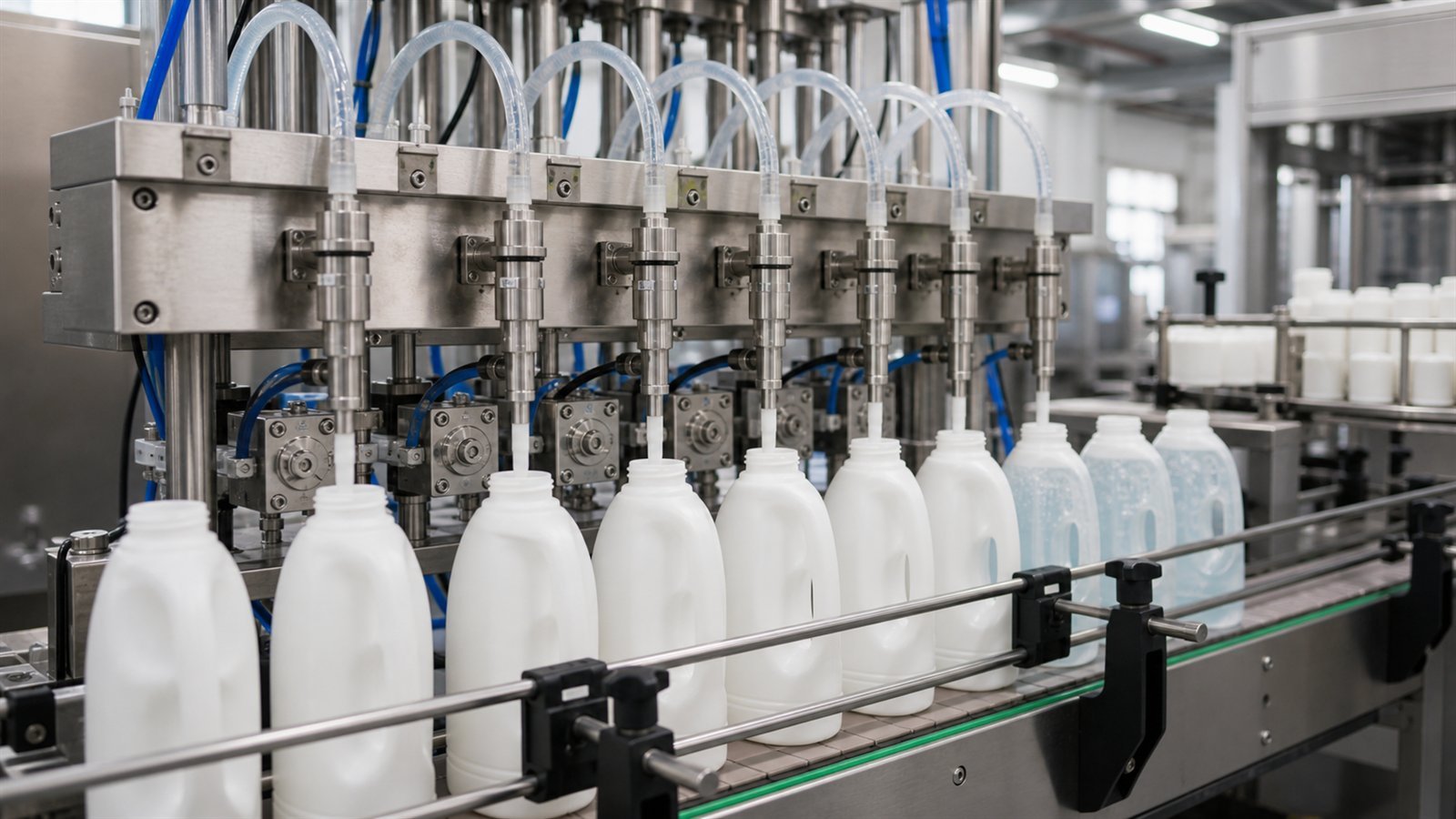
Realistic equipment views for faster selection
Use these eight machine categories to compare filling, capping, labeling, packing and water treatment options before requesting a quotation.
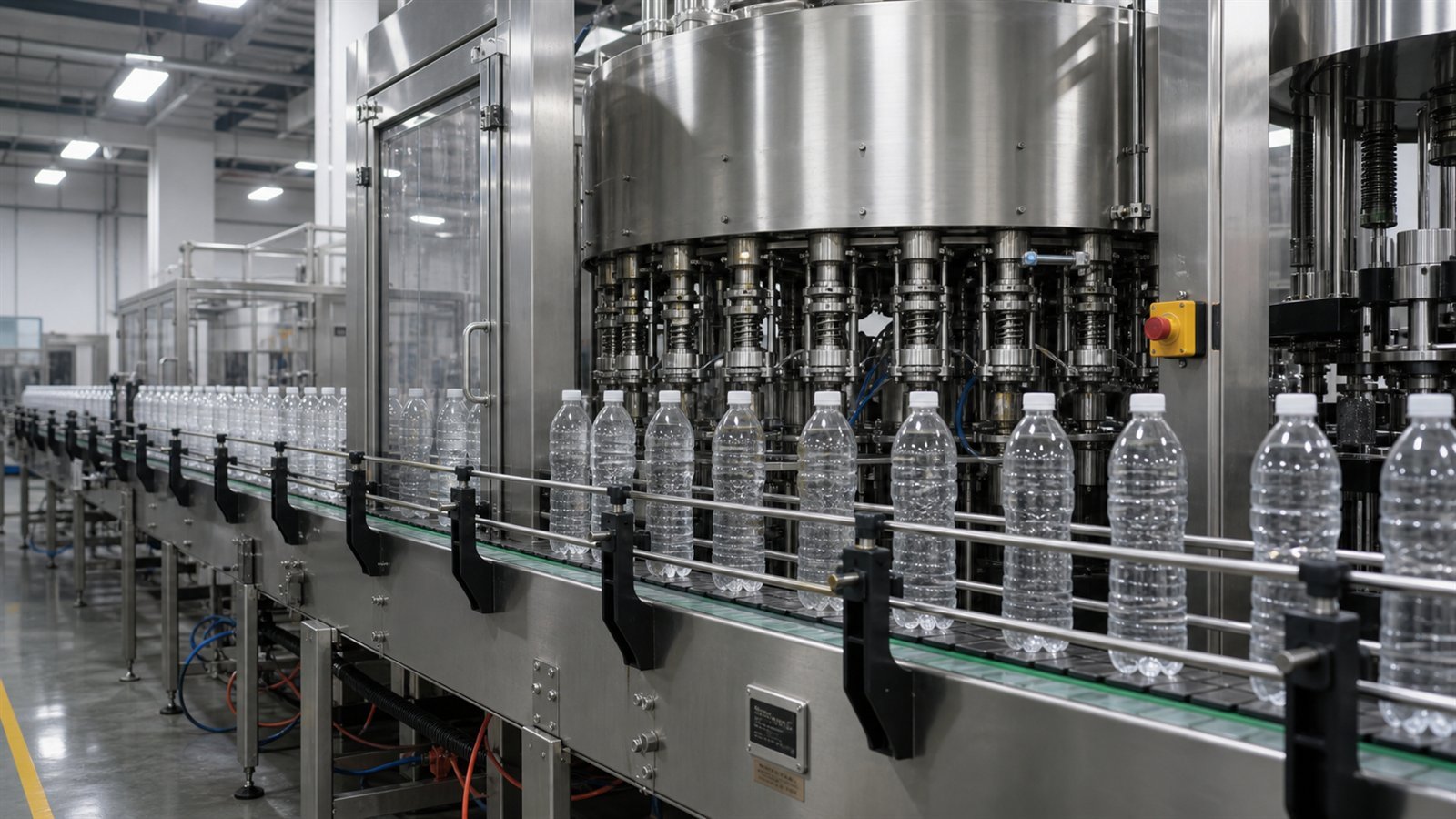
PET bottle rinsing, filling, capping and conveying from China.
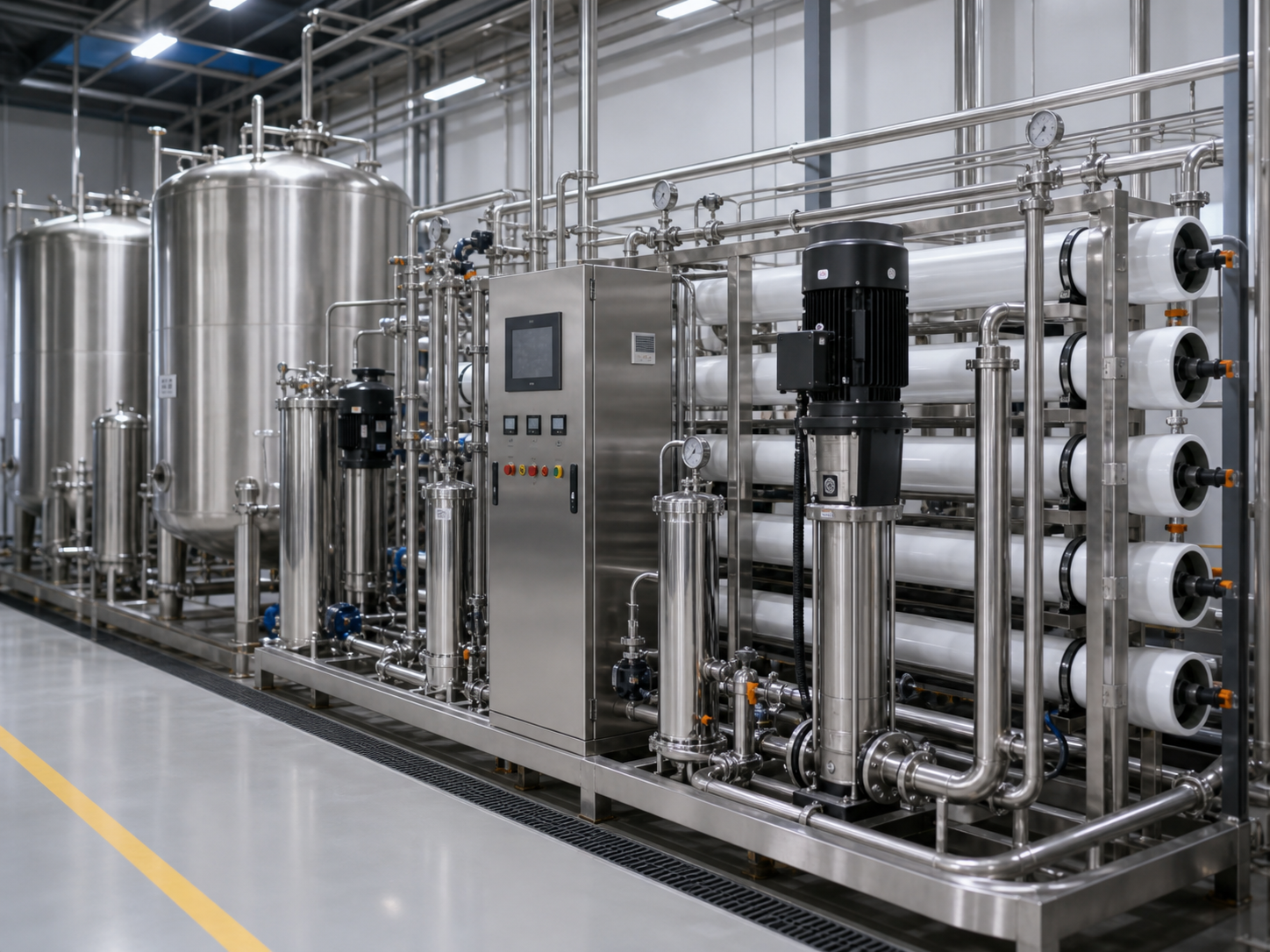
RO filtration, pretreatment, tanks and stainless pipework before beverage filling.
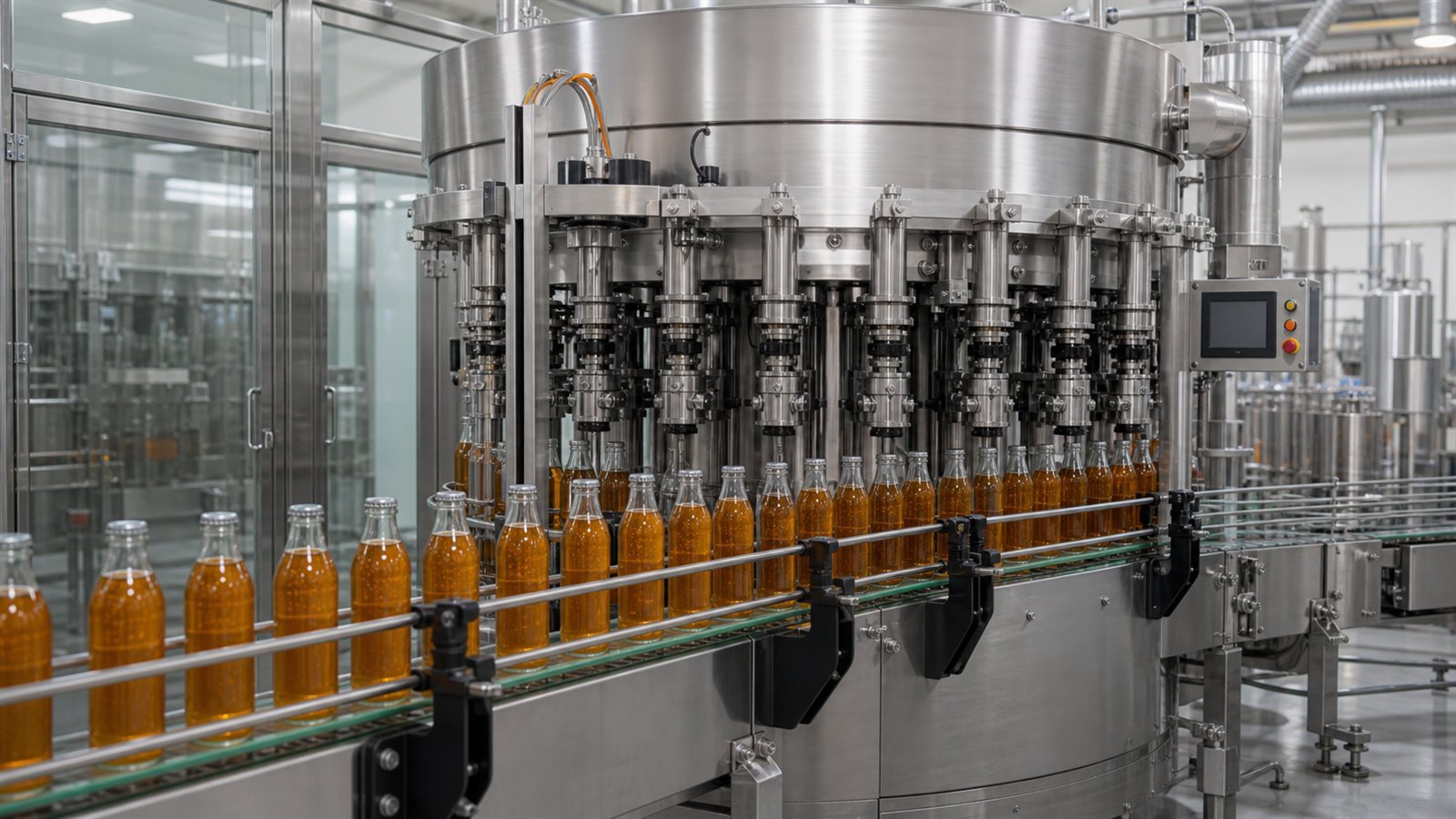
Isobaric filling and capping for soda, sparkling water and CSD.
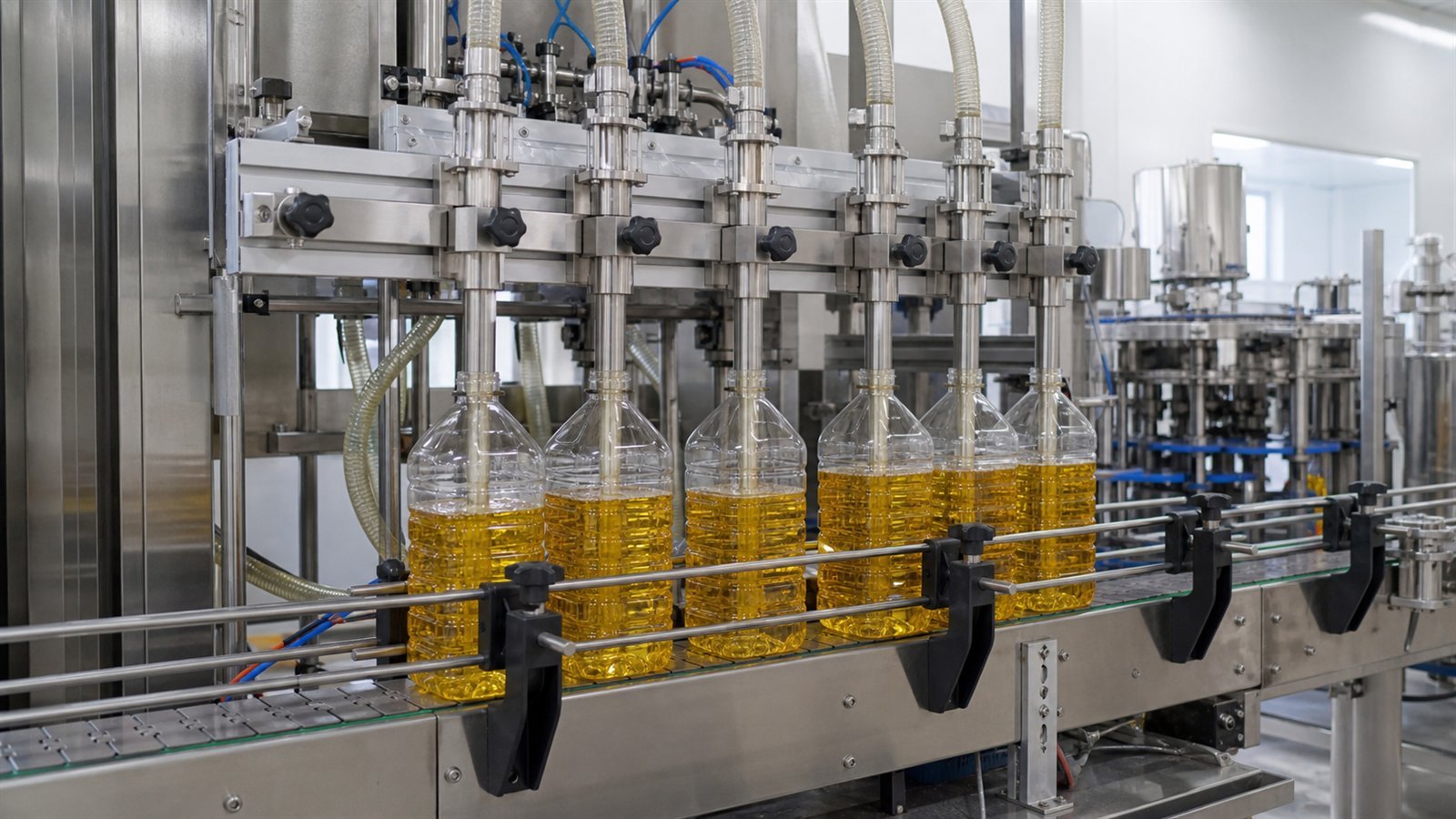
Volumetric or net-weight filling for edible oil and high-value liquid products.
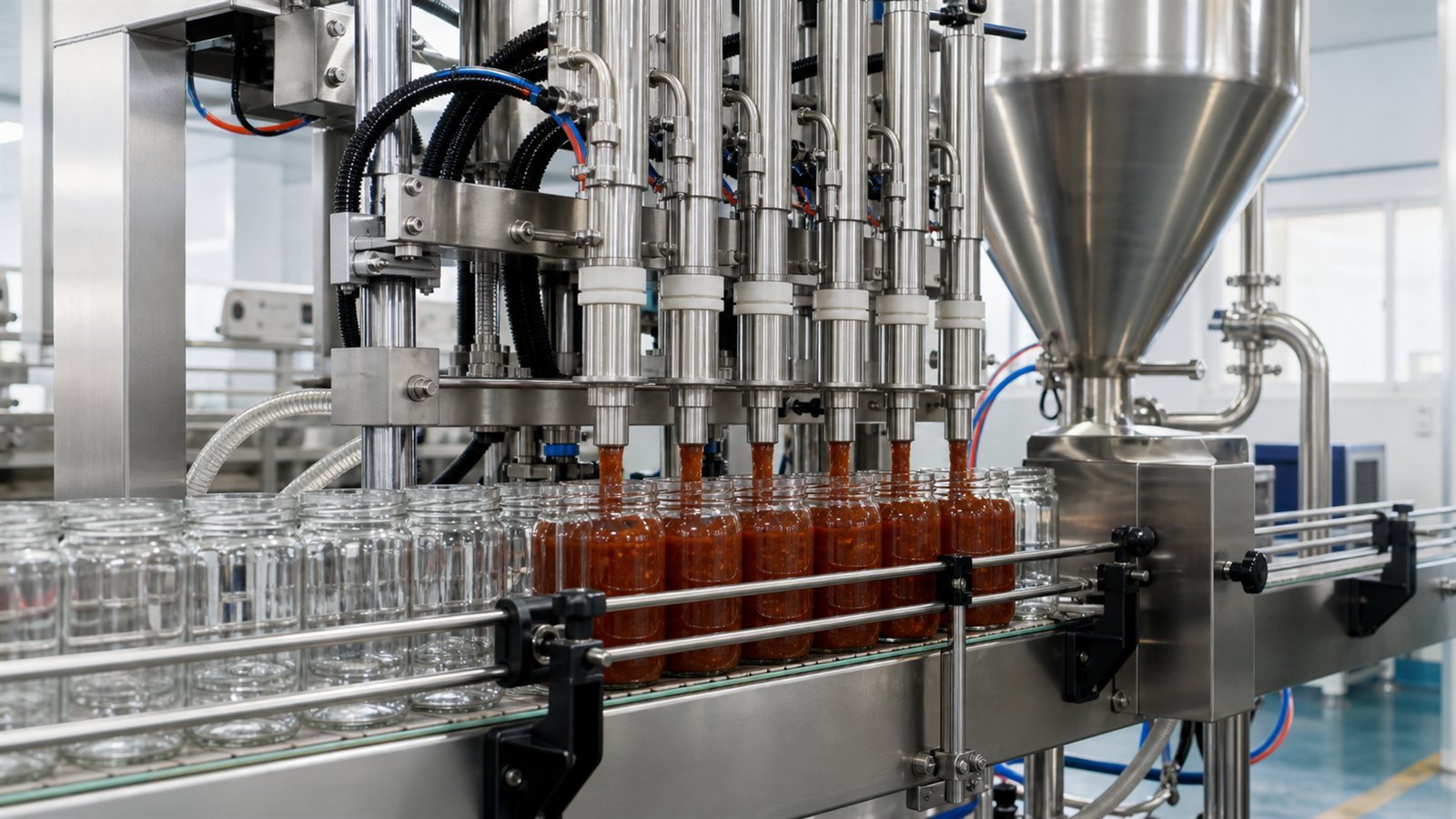
Piston filling for viscous products, jars, sauces and anti-drip nozzles.
Pump filling for HDPE bottles, cleaners and personal care liquids.
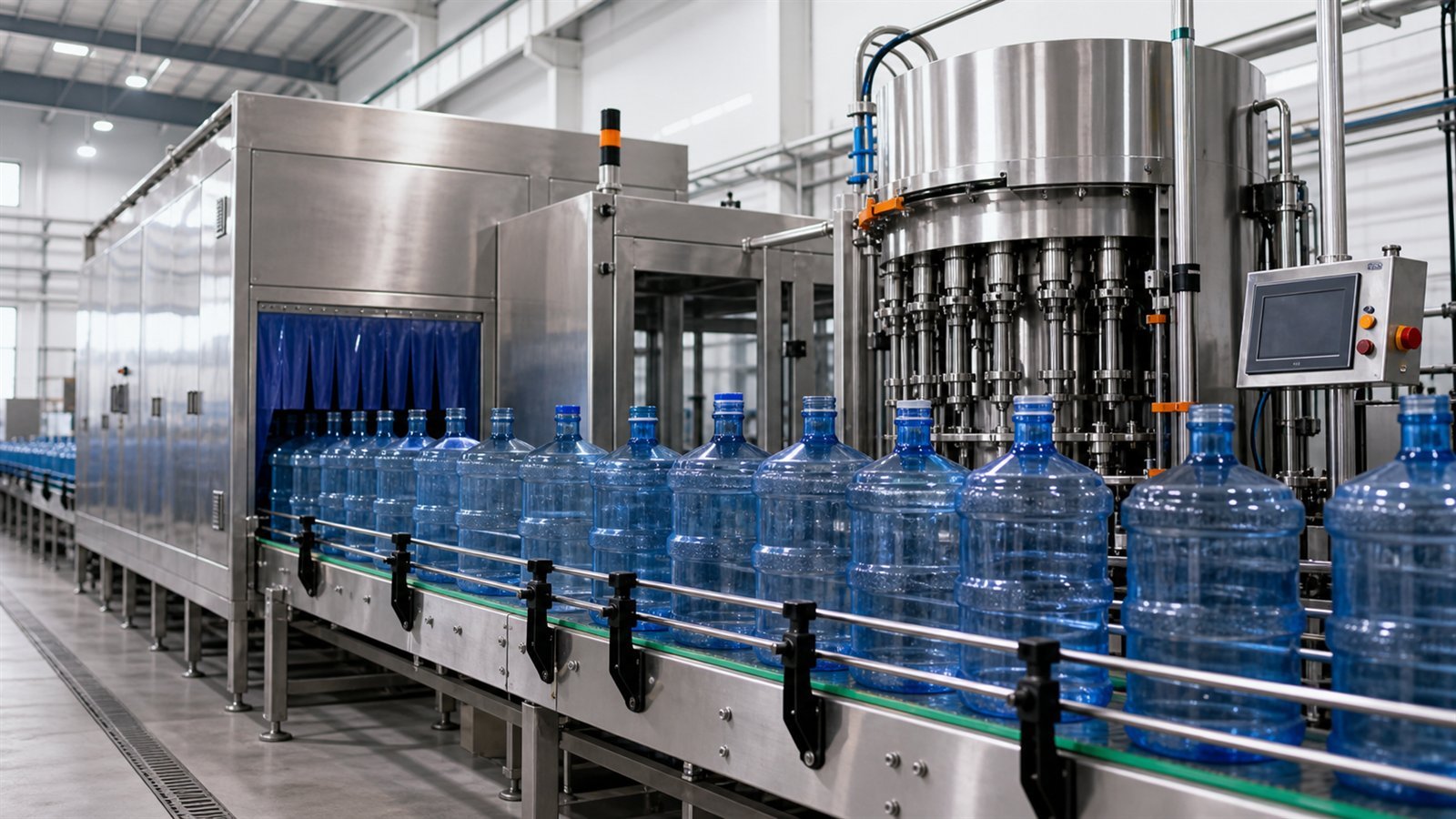
Large bottle washing, filling and capping for drinking water plants.
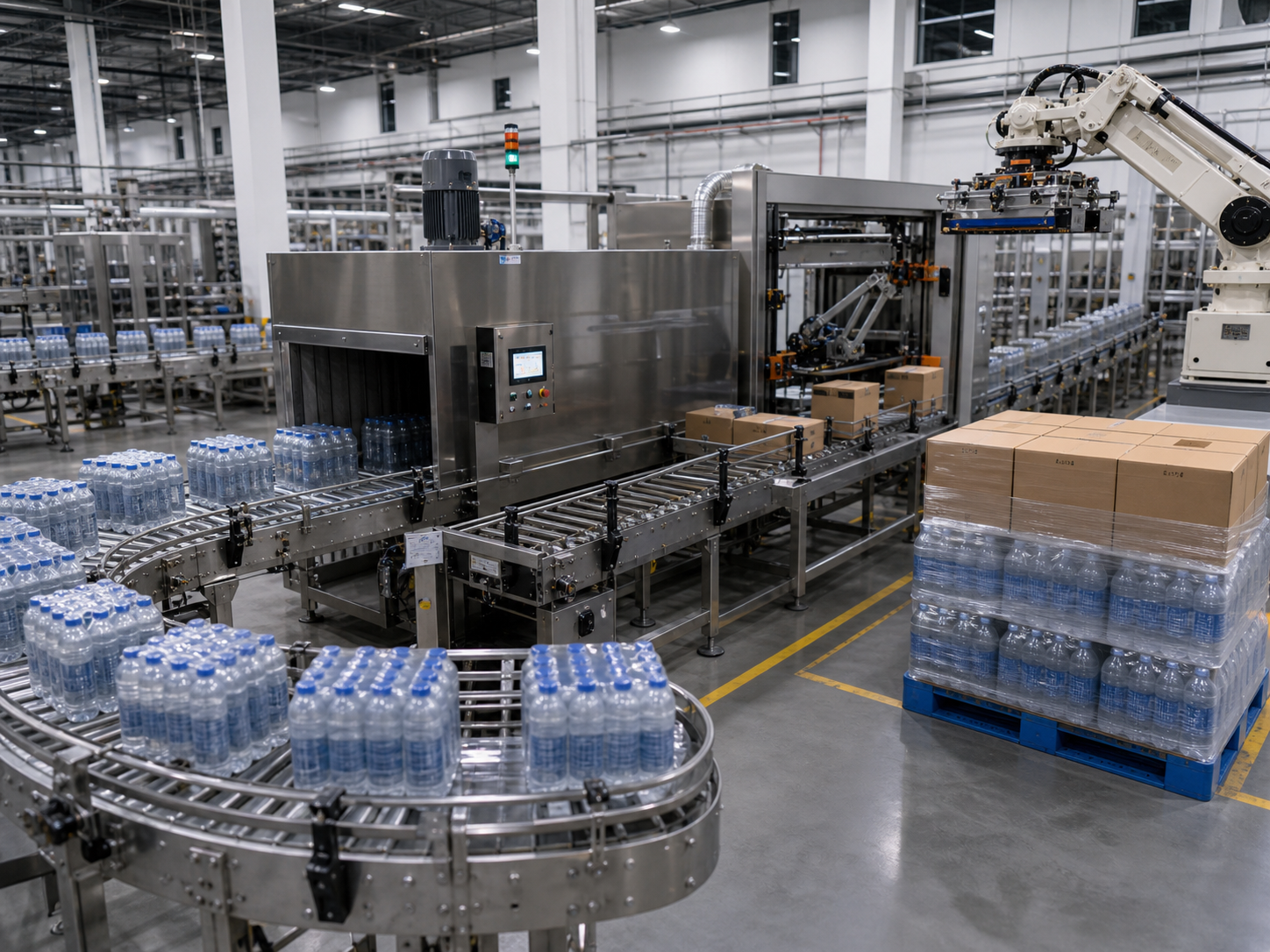
Shrink wrapping, carton packing, conveying and export-ready palletizing.
Best-fit situations
- Flexible bottle and product changeover.
- Small to medium capacity automatic filling cells.
- Easy expansion with capping, labeling and conveyors.
Before quotation
Send the real liquid, bottle, cap, speed, accuracy and packaging requirements. We avoid fake prices because configuration changes cost.
Selection table
| Liquid details | Viscosity, foam, particles, temperature and filling accuracy. |
| Container details | PET, glass, HDPE, jar, can or large container; volume, neck and cap. |
| Packaging scope | Capping, sealing, labeling, coding, packing, conveyors and export requirements. |
Buyer decision brief
Use a linear filler for flexibility only after proving line balance
An inline layout can support varied products and formats, but useful output depends on metering, nozzle count, indexing, container control, capping and downstream recovery.Process fit
Create a product and dose matrix with flow, foam, particles, temperature, accuracy or level criterion and the selected metering principle for each family.
Machine definition
Provide container dimensions and stability, neck opening, pitch, stop or indexing method, nozzle movement, format changes and the range expected on one setup.
Cleaning and changeover
Balance filler cycle, infeed and outfeed accumulation, capping, labeling and packing, then define blocked and starved behavior and operator replenishment.
Acceptance evidence
Test the fastest and slowest formats, recording net output, fill result, spills, indexing faults, changeover, restart and sustained operation with downstream equipment.