
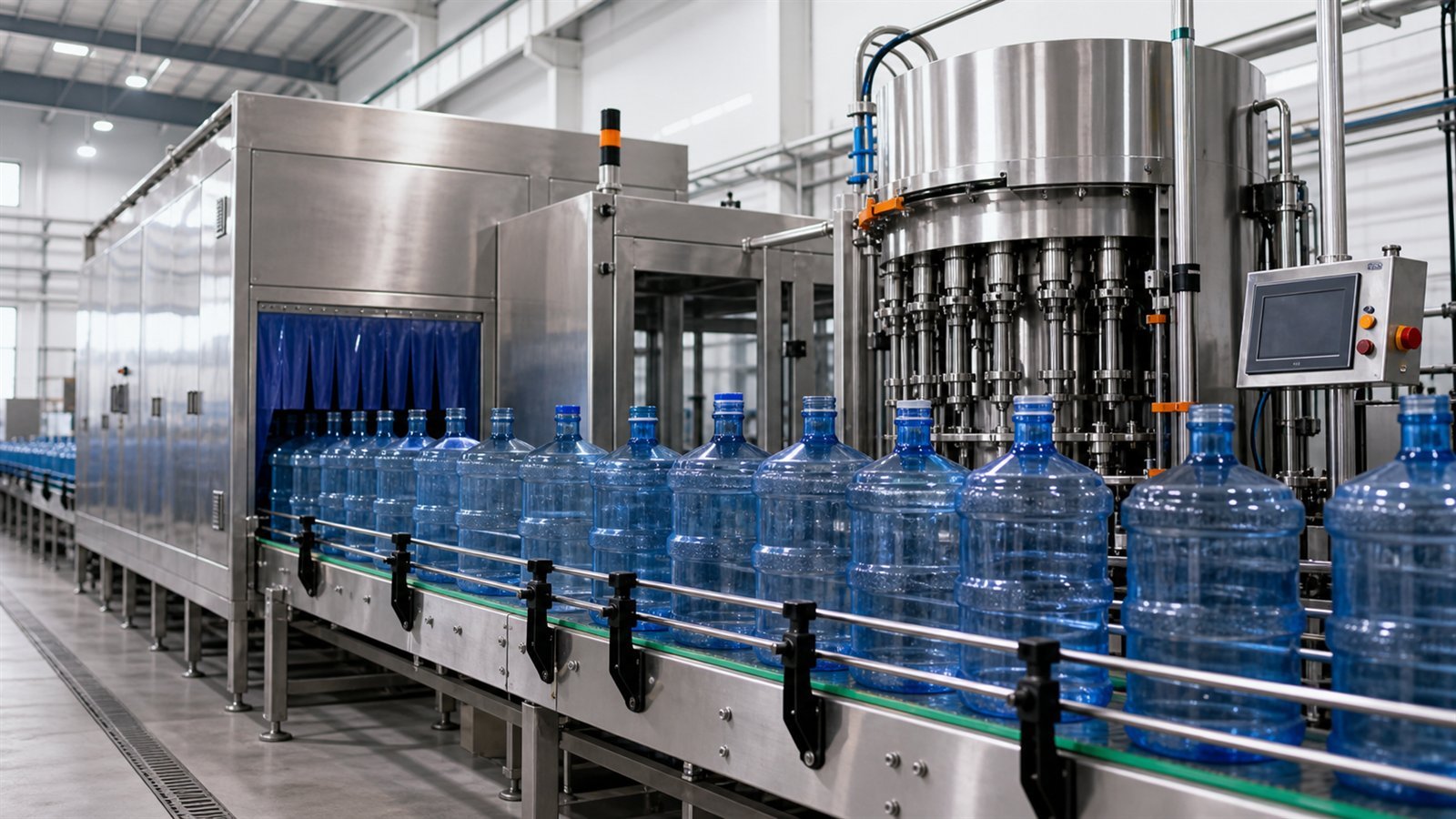
Gallon Bottle Filling Machine
Gallon bottle filling needs stable container handling, larger filling volumes, capping, sealing and conveyor strength.
Realistic equipment views for faster selection
Use these eight machine categories to compare filling, capping, labeling, packing and water treatment options before requesting a quotation.
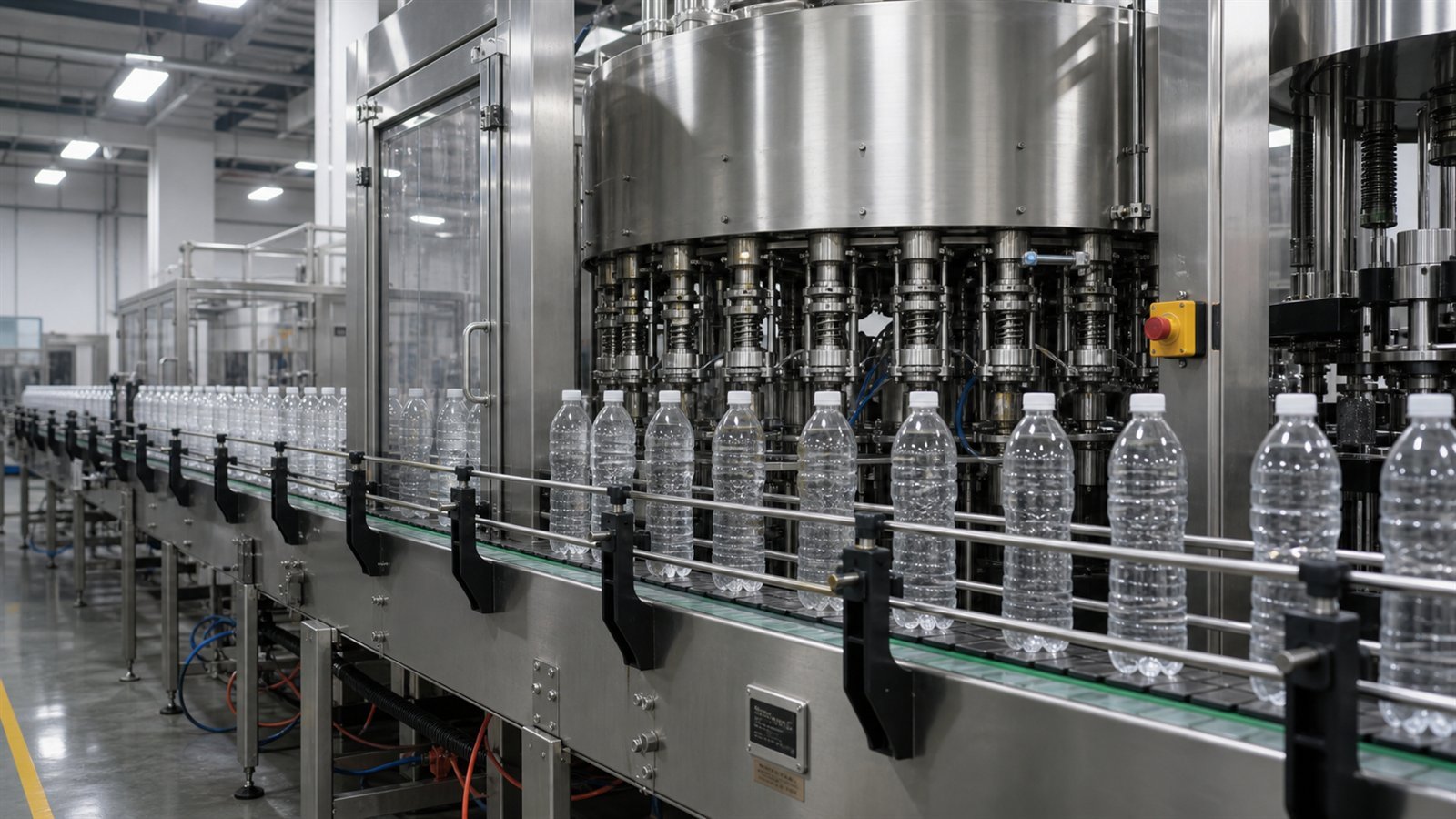
PET bottle rinsing, filling, capping and conveying from China.
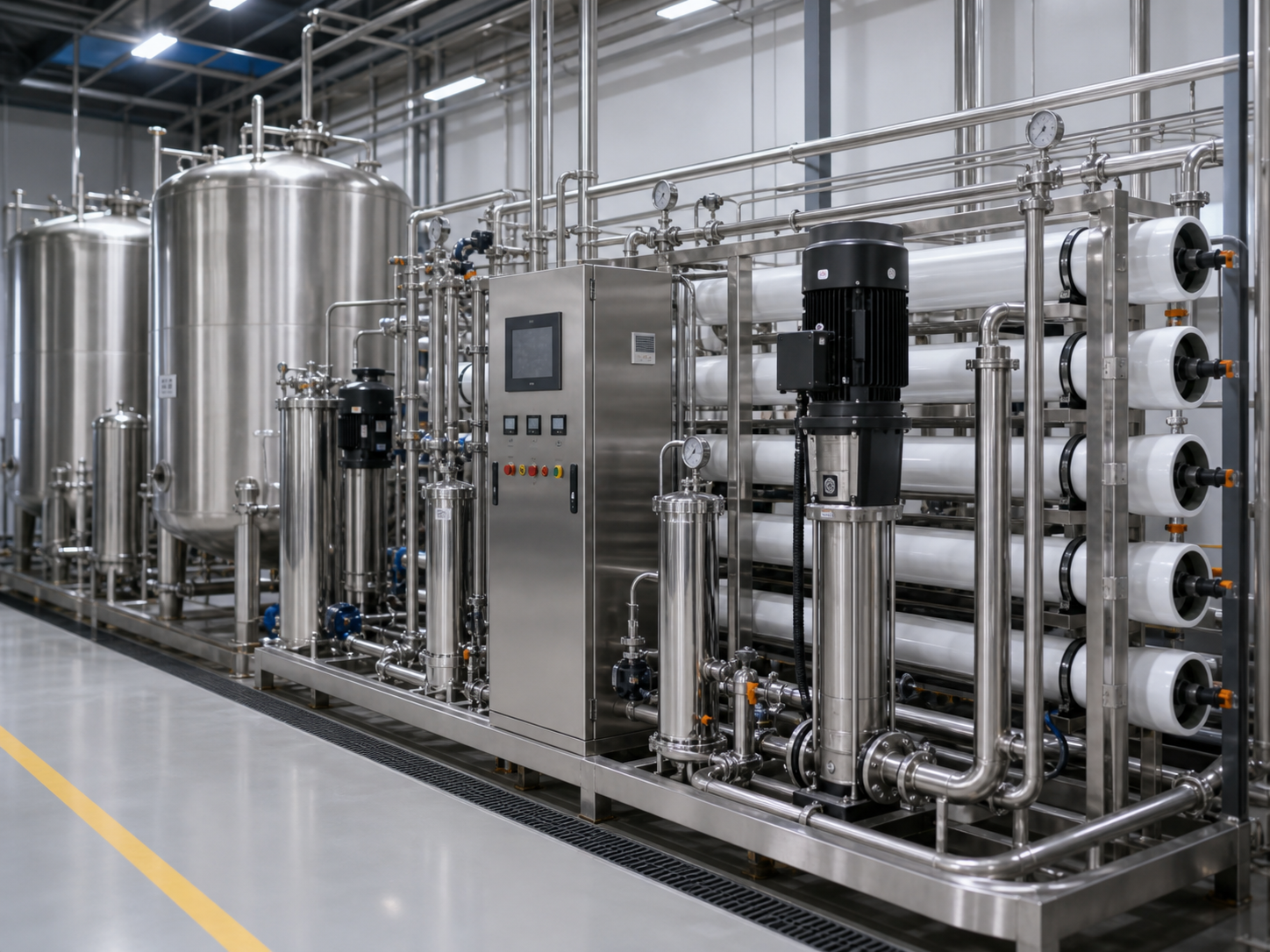
RO filtration, pretreatment, tanks and stainless pipework before beverage filling.
Isobaric filling and capping for soda, sparkling water and CSD.
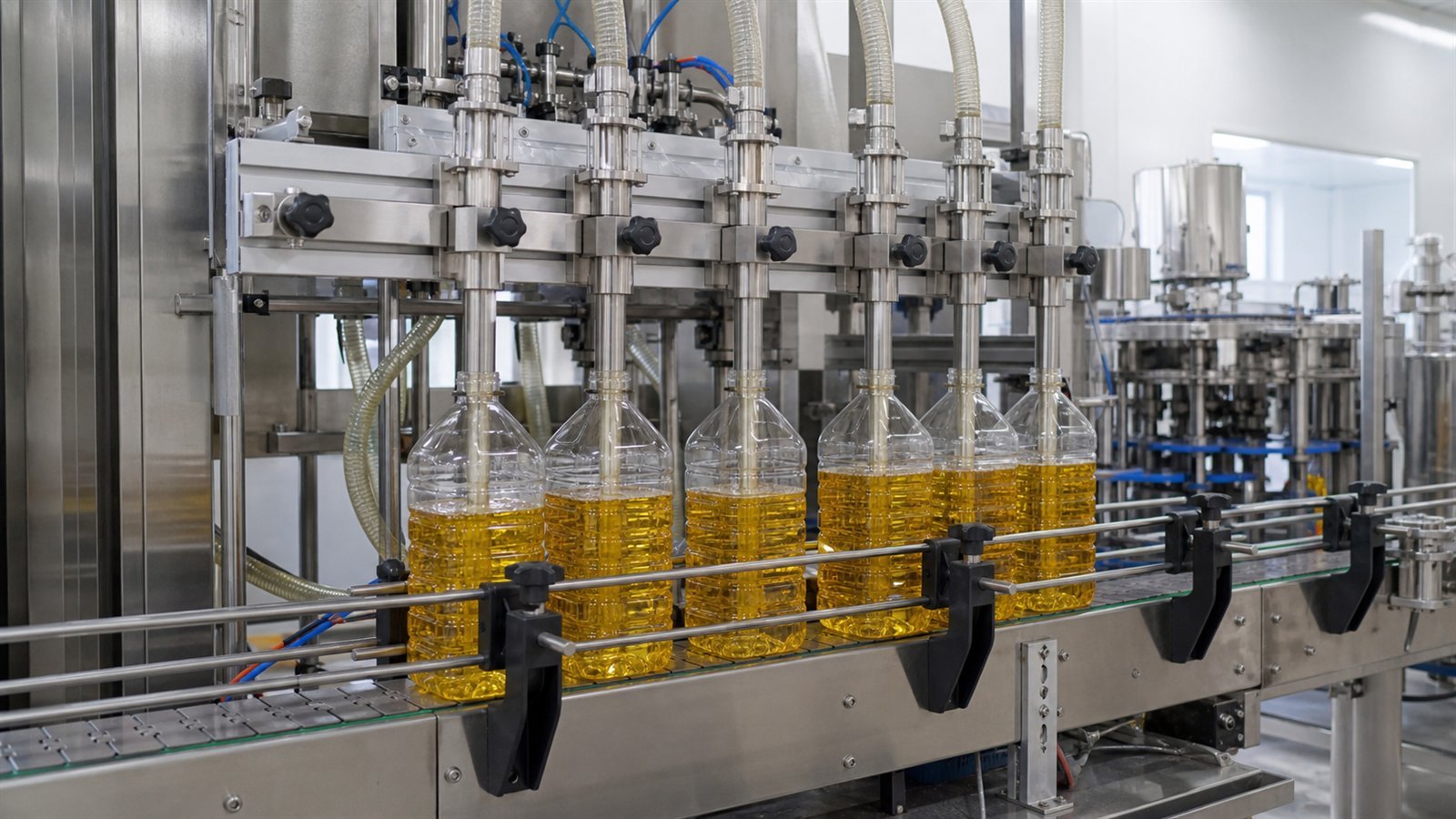
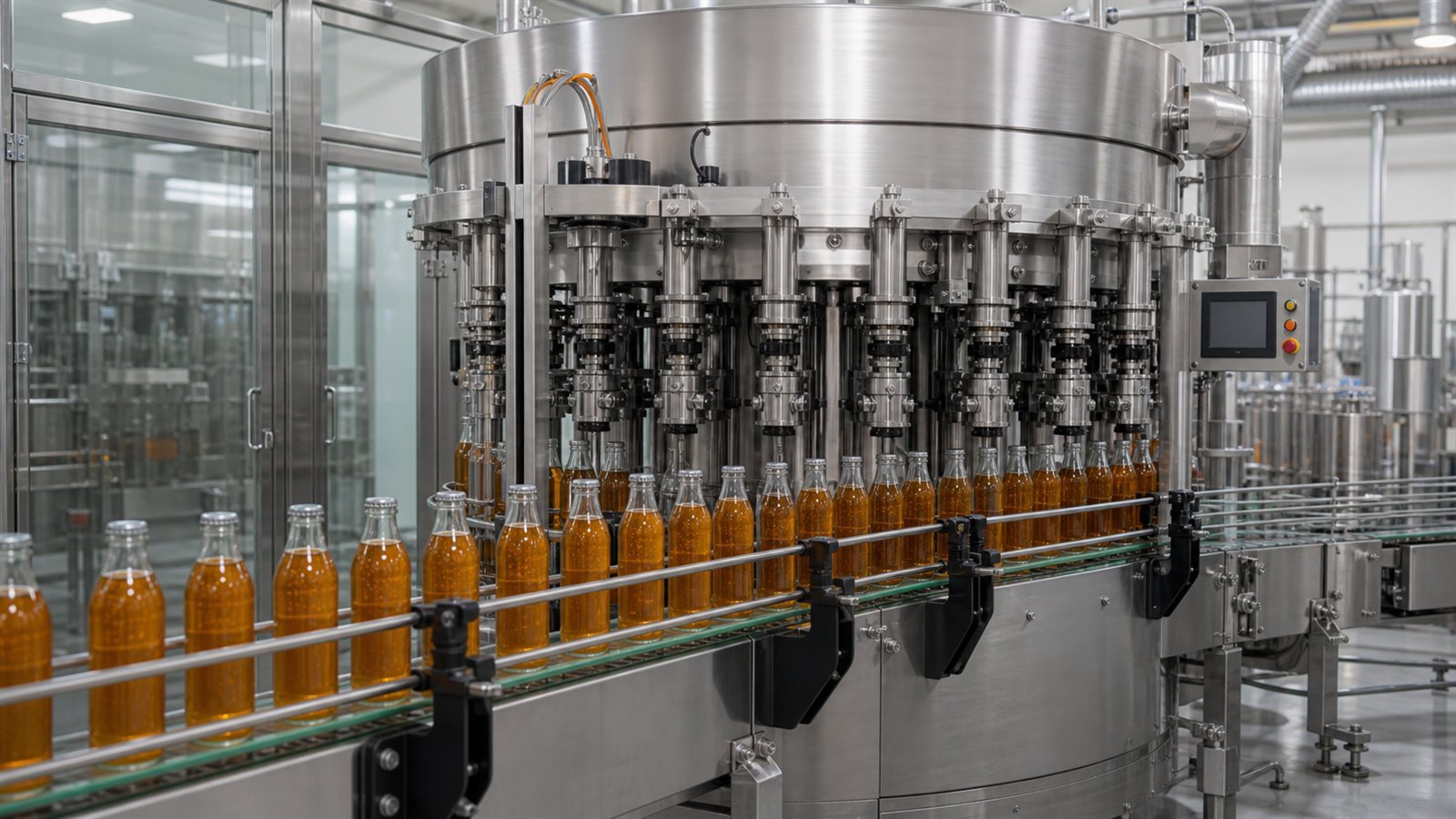
Volumetric or net-weight filling for edible oil and high-value liquid products.
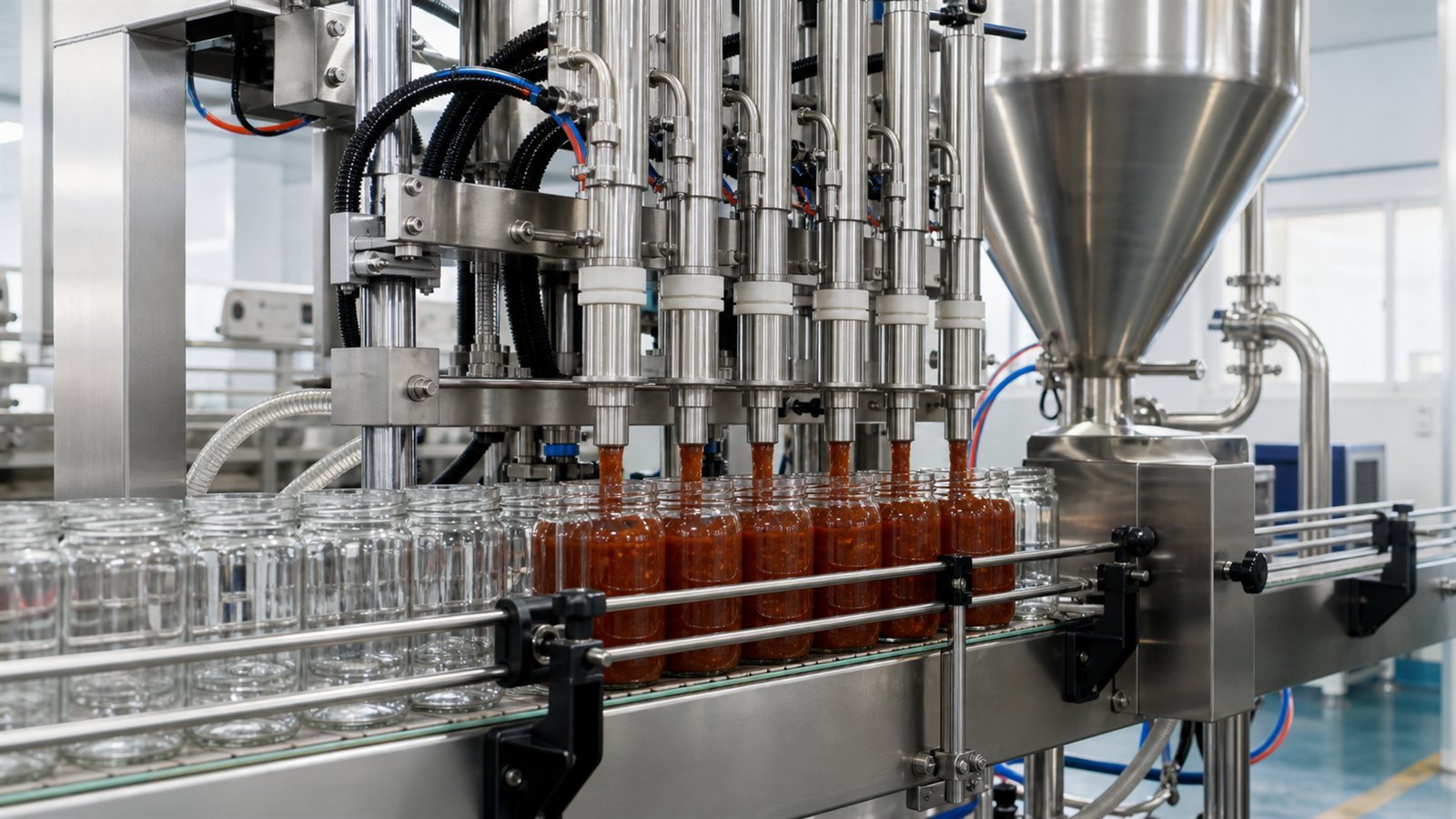
Piston filling for viscous products, jars, sauces and anti-drip nozzles.
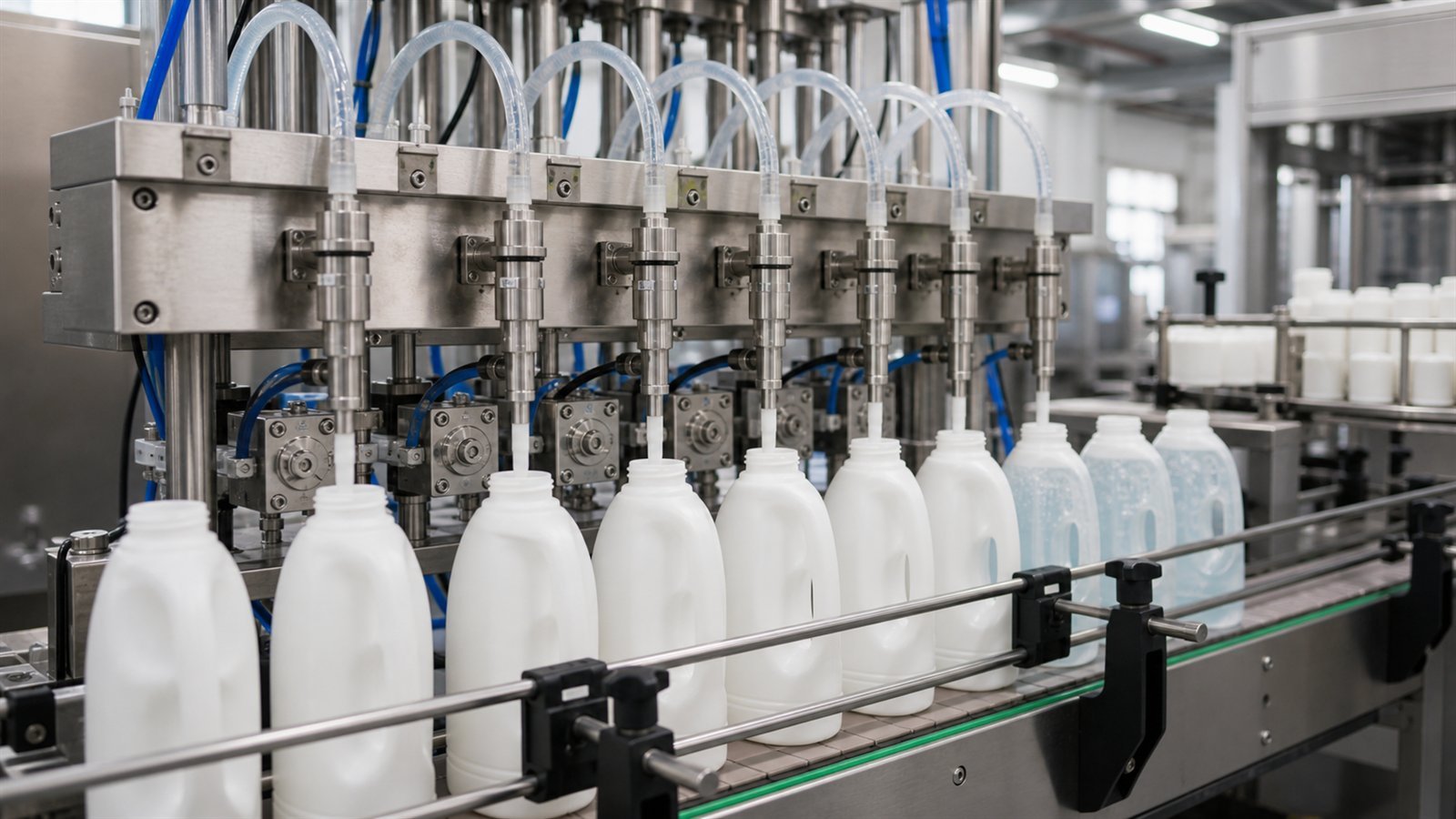
Pump filling for HDPE bottles, cleaners and personal care liquids.
Large bottle washing, filling and capping for drinking water plants.
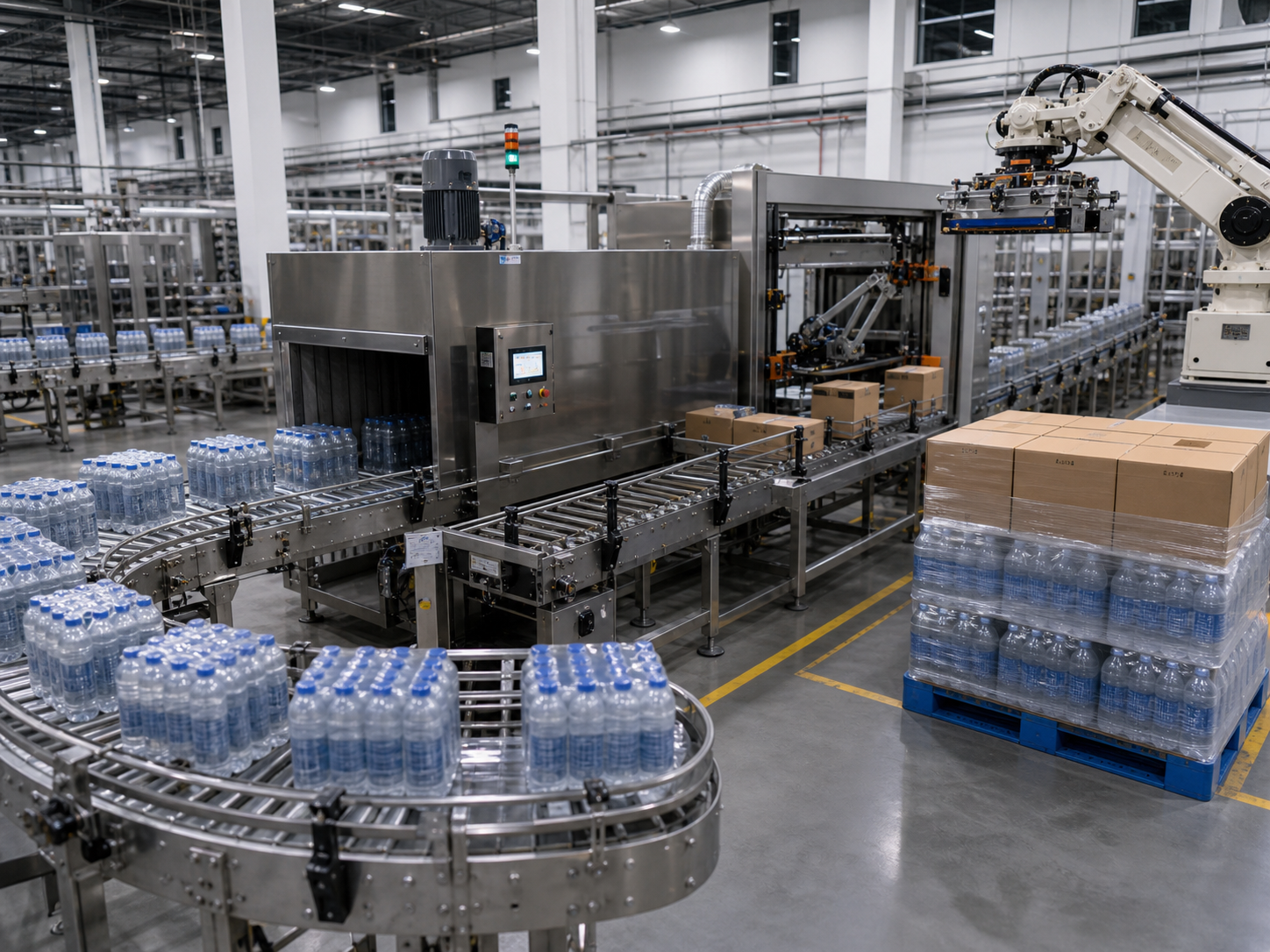
Shrink wrapping, carton packing, conveying and export-ready palletizing.
Best-fit situations
- 3-5 gallon water or liquid containers.
- Large volume filling accuracy and speed.
- Cap handling, sealing and packing requirements.
Before quotation
Send the real liquid, bottle, cap, speed, accuracy and packaging requirements. We avoid fake prices because configuration changes cost.
Selection table
| Liquid details | Viscosity, foam, particles, temperature and filling accuracy. |
| Container details | PET, glass, HDPE, jar, can or large container; volume, neck and cap. |
| Packaging scope | Capping, sealing, labeling, coding, packing, conveyors and export requirements. |
Buyer decision brief
Plan gallon bottle filling around container condition and safe handling
Large or reusable gallon containers create different washing, drainage, lifting, stability, closure and leak-check needs from small single-use bottles.Container evidence
State container volume, material, neck finish, empty and full weight, new or returnable route, incoming contamination and the rejection criteria before processing.
Filling condition
Define external and internal cleaning stages where required, water or chemical quality, contact time, drainage, carryover limits and release checks.
Line handling
Map empty-container loading, filling, cap handling, leak or closure inspection, full-container transfer, handle or rack use and ergonomic operator tasks.
Acceptance evidence
Run representative worst-condition containers and record cleaning result, fill result, closure integrity, leaks, damage, operator interventions and saleable output.