
Bottle Unscrambler for Automatic Filling Lines
Bottle unscramblers feed empty bottles into automatic filling lines and should match bottle size, stability and output speed.
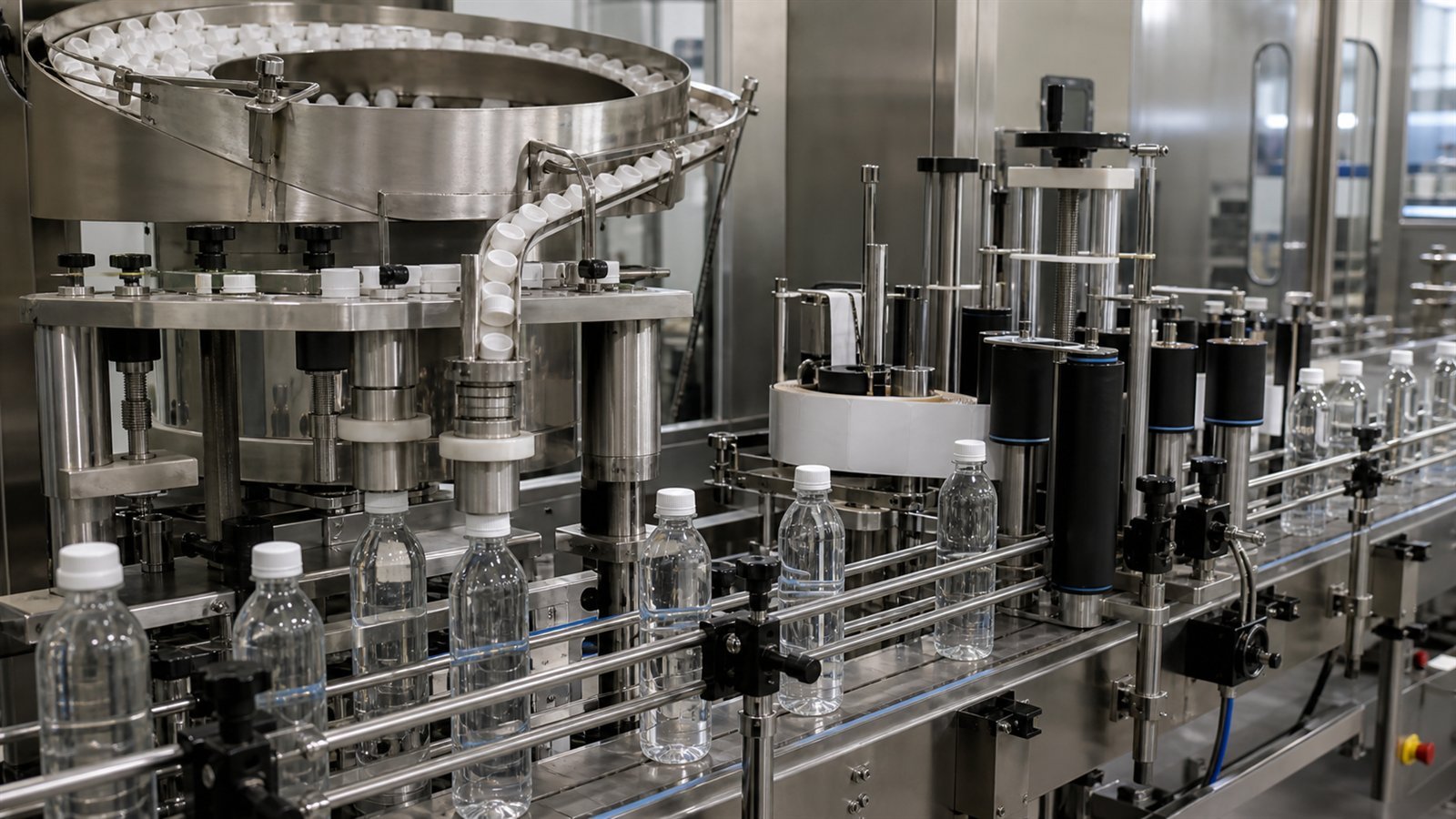
Realistic equipment views for faster selection
Use these eight machine categories to compare filling, capping, labeling, packing and water treatment options before requesting a quotation.
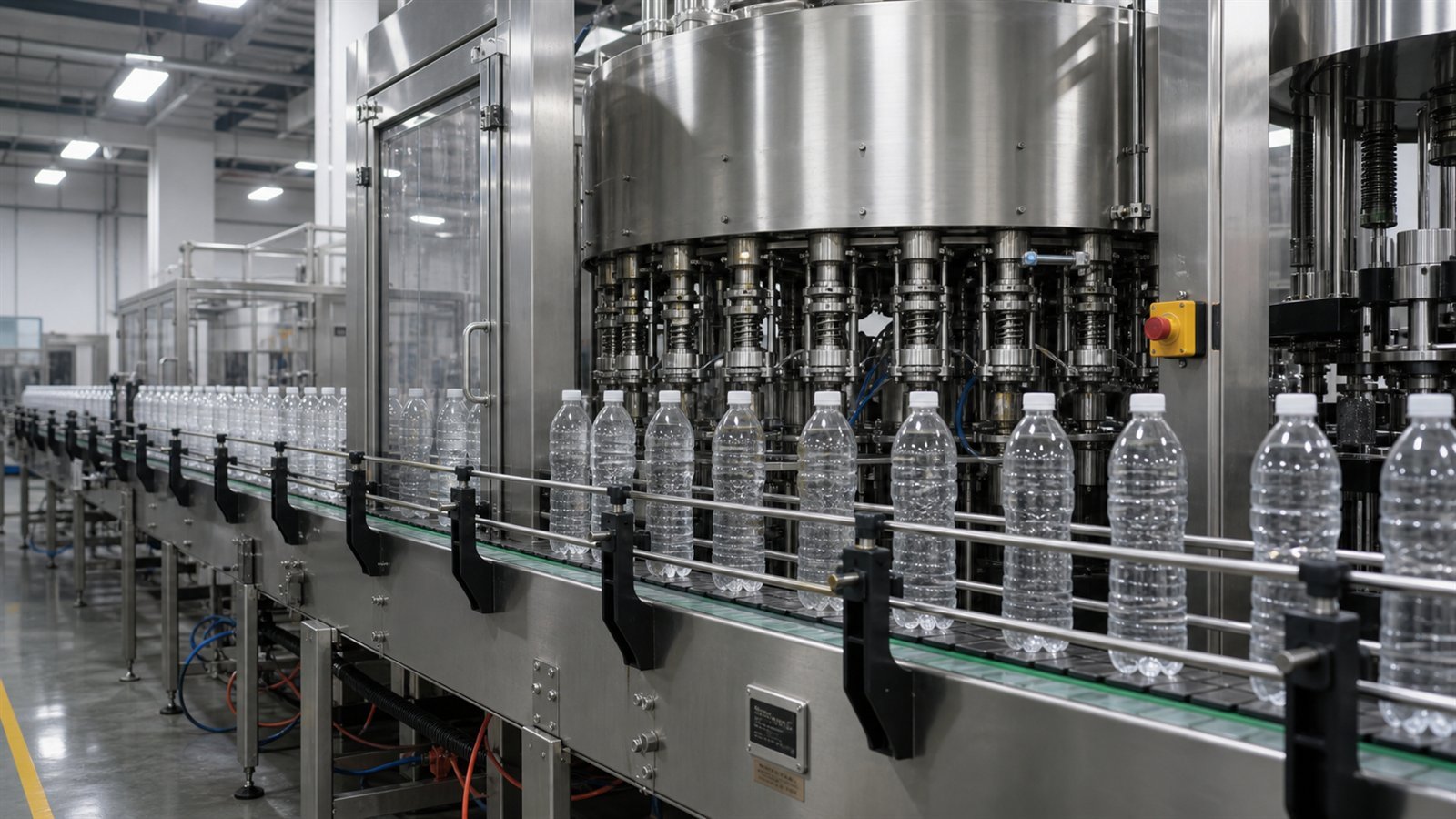
PET bottle rinsing, filling, capping and conveying from China.
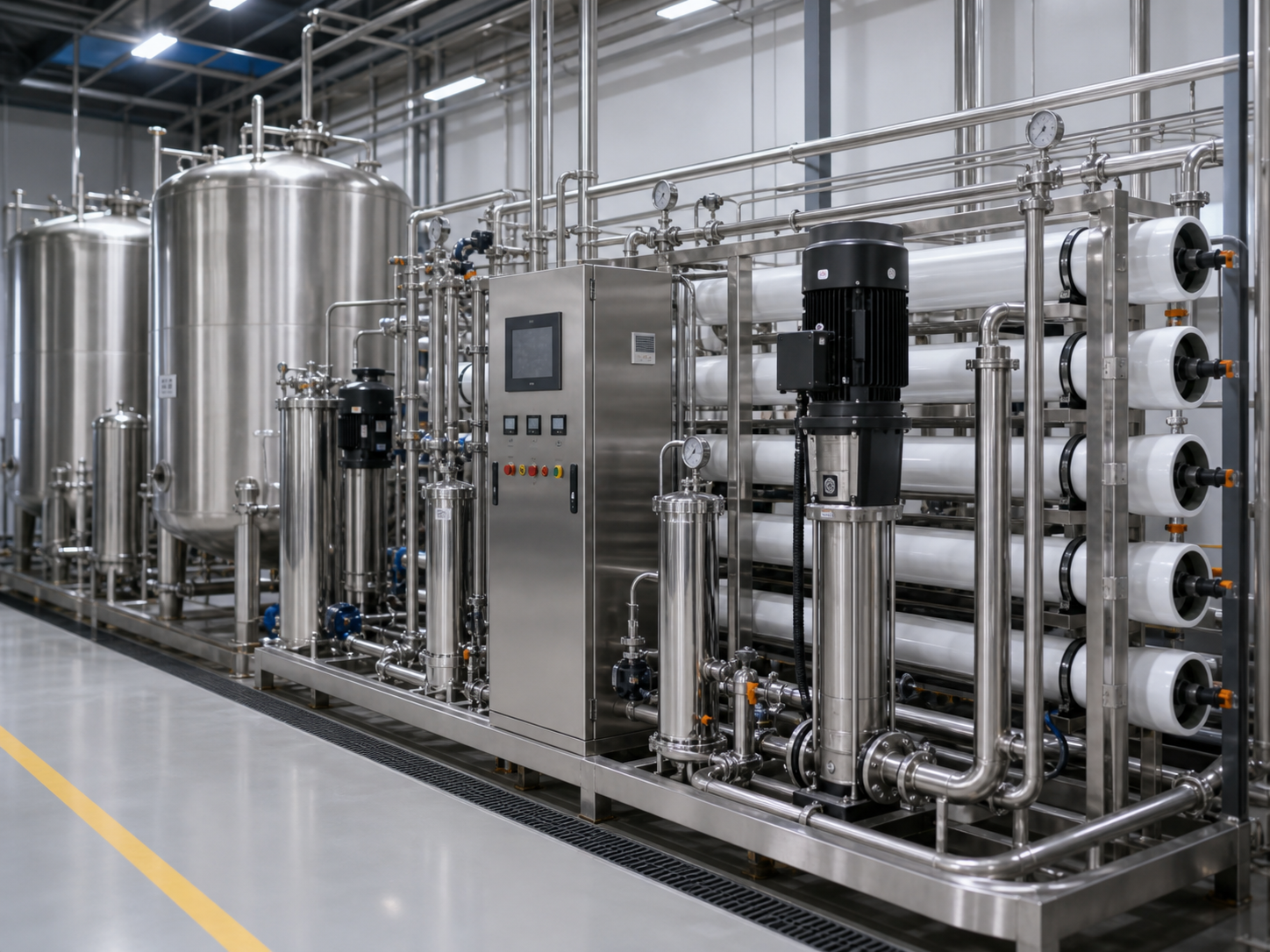
RO filtration, pretreatment, tanks and stainless pipework before beverage filling.
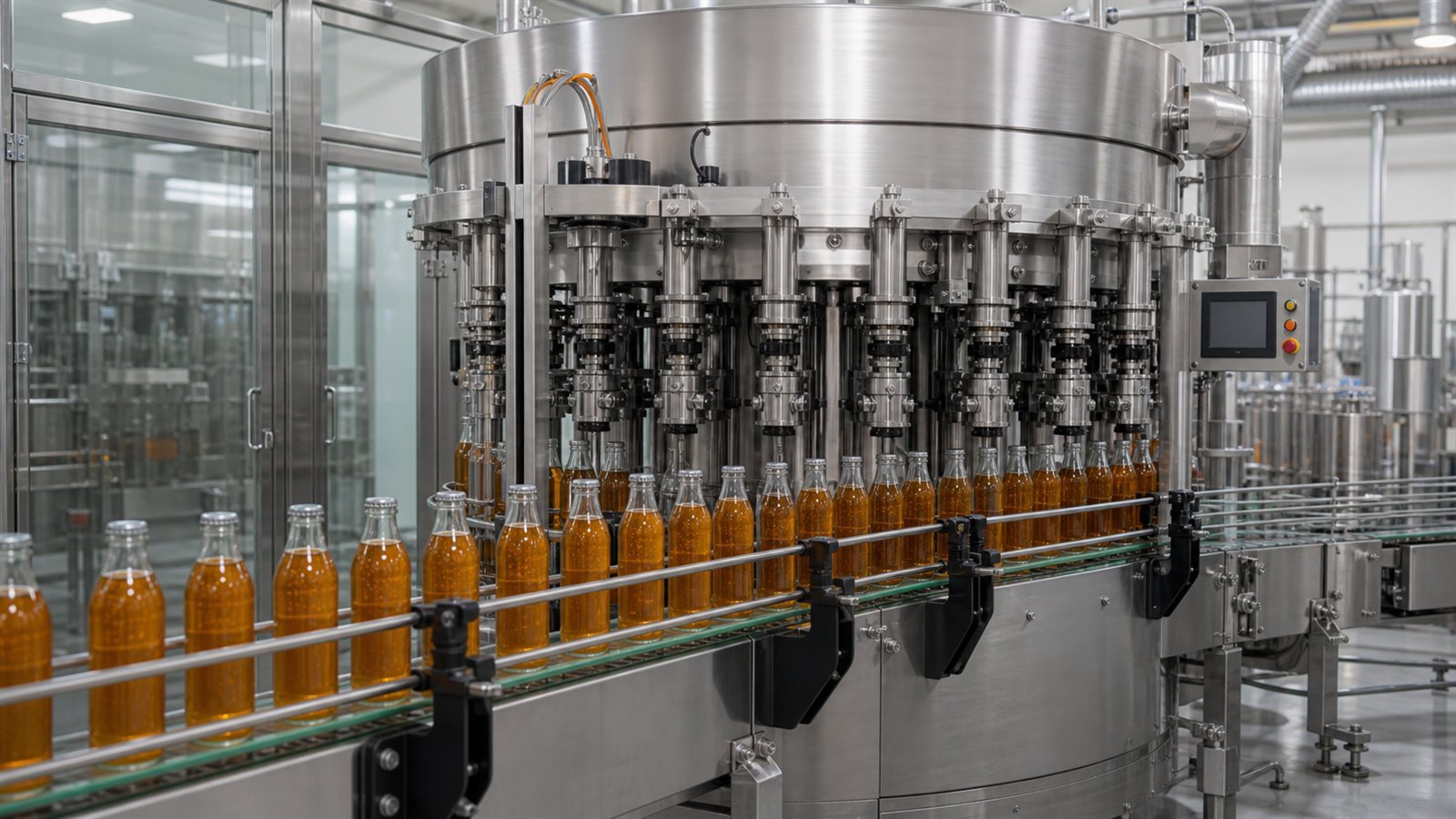
Isobaric filling and capping for soda, sparkling water and CSD.
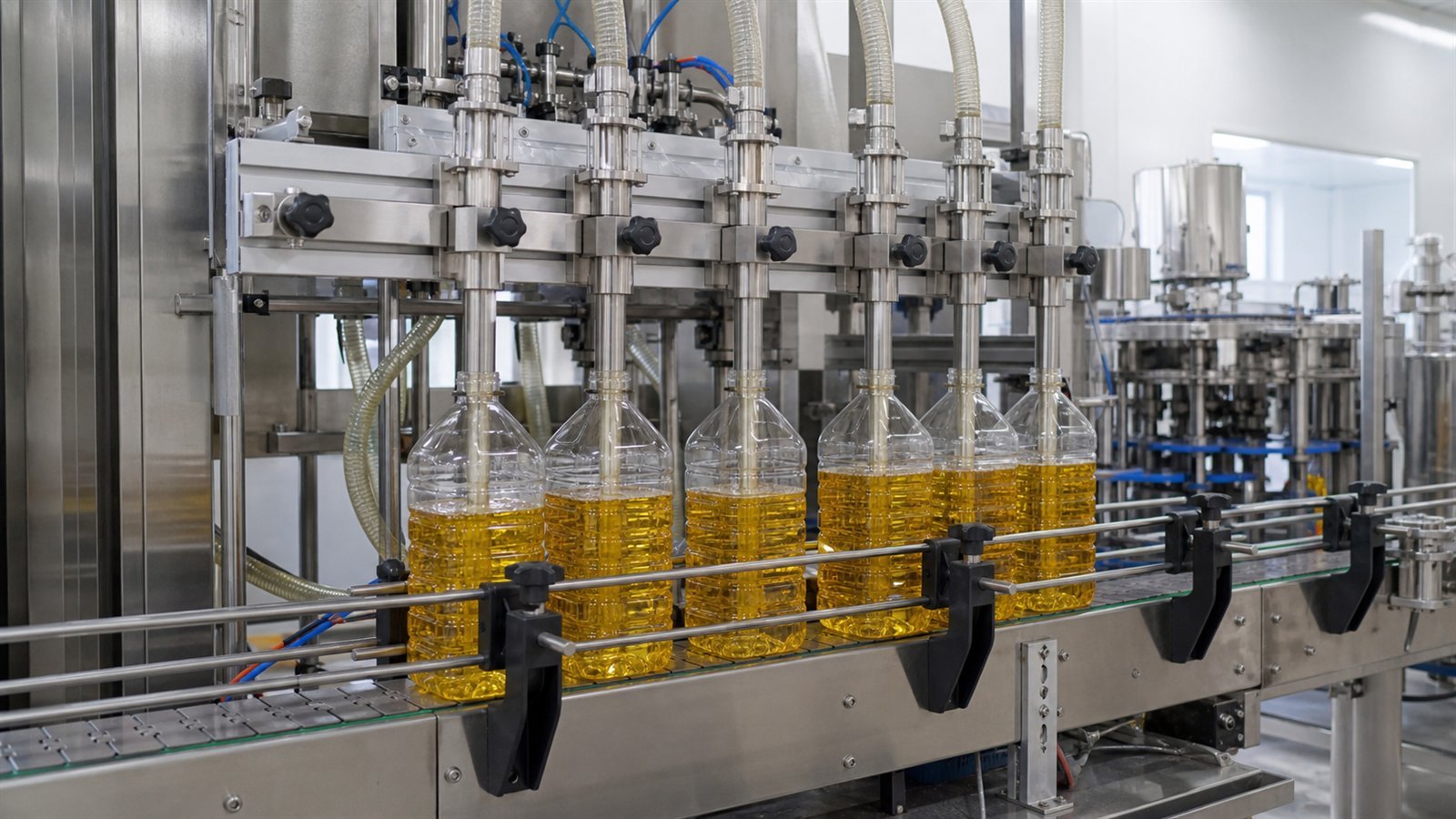
Volumetric or net-weight filling for edible oil and high-value liquid products.
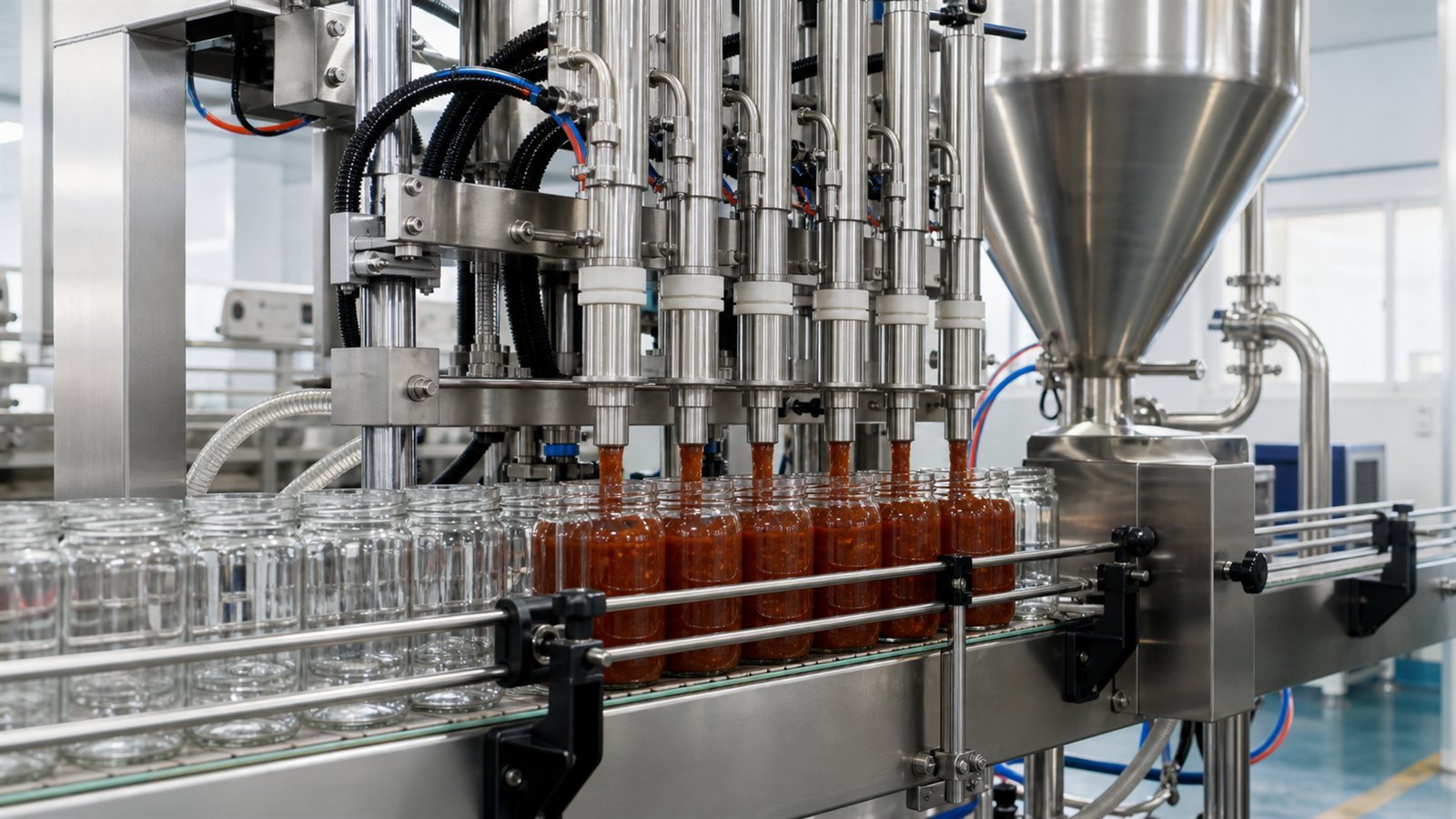
Piston filling for viscous products, jars, sauces and anti-drip nozzles.
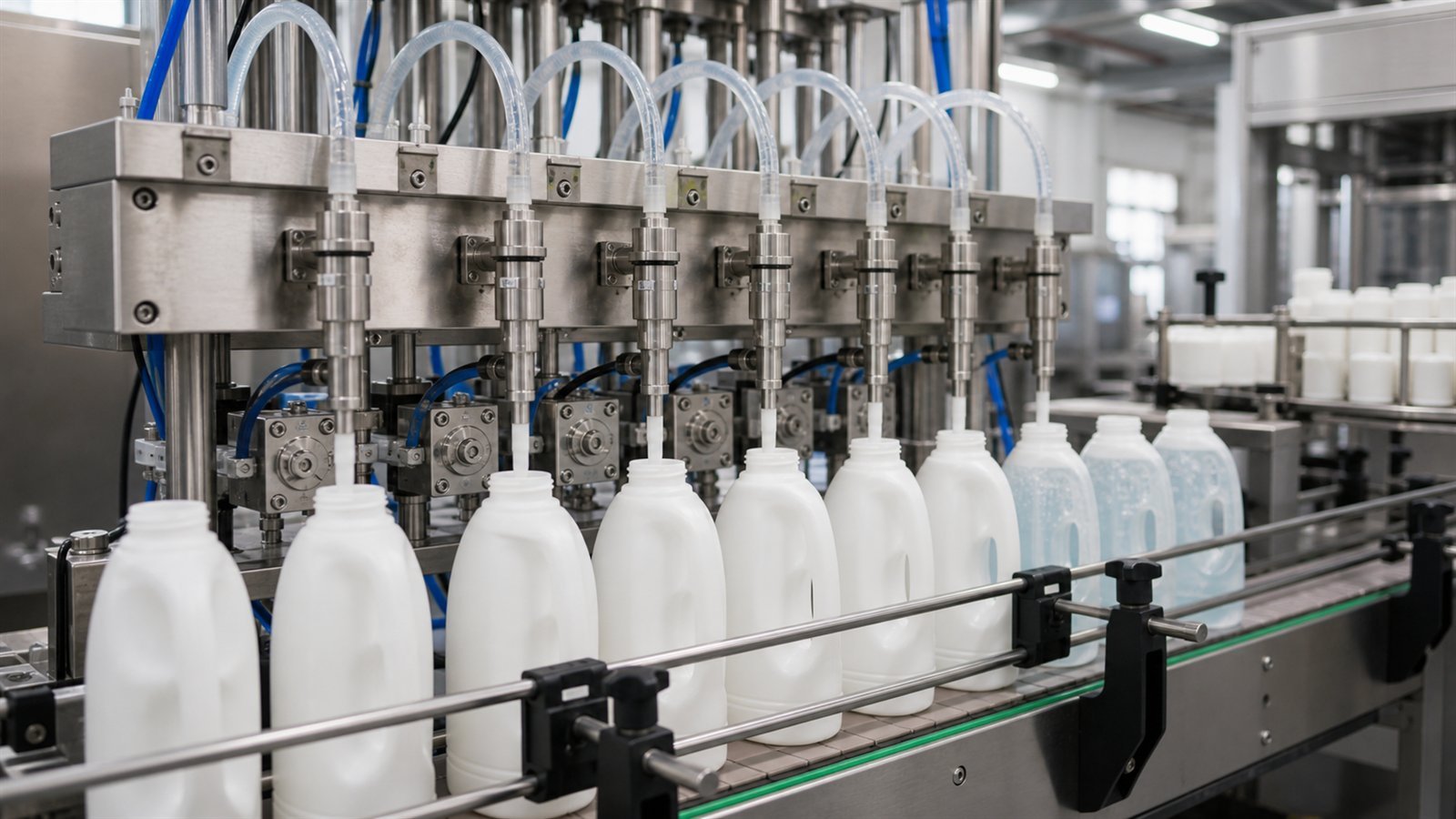
Pump filling for HDPE bottles, cleaners and personal care liquids.
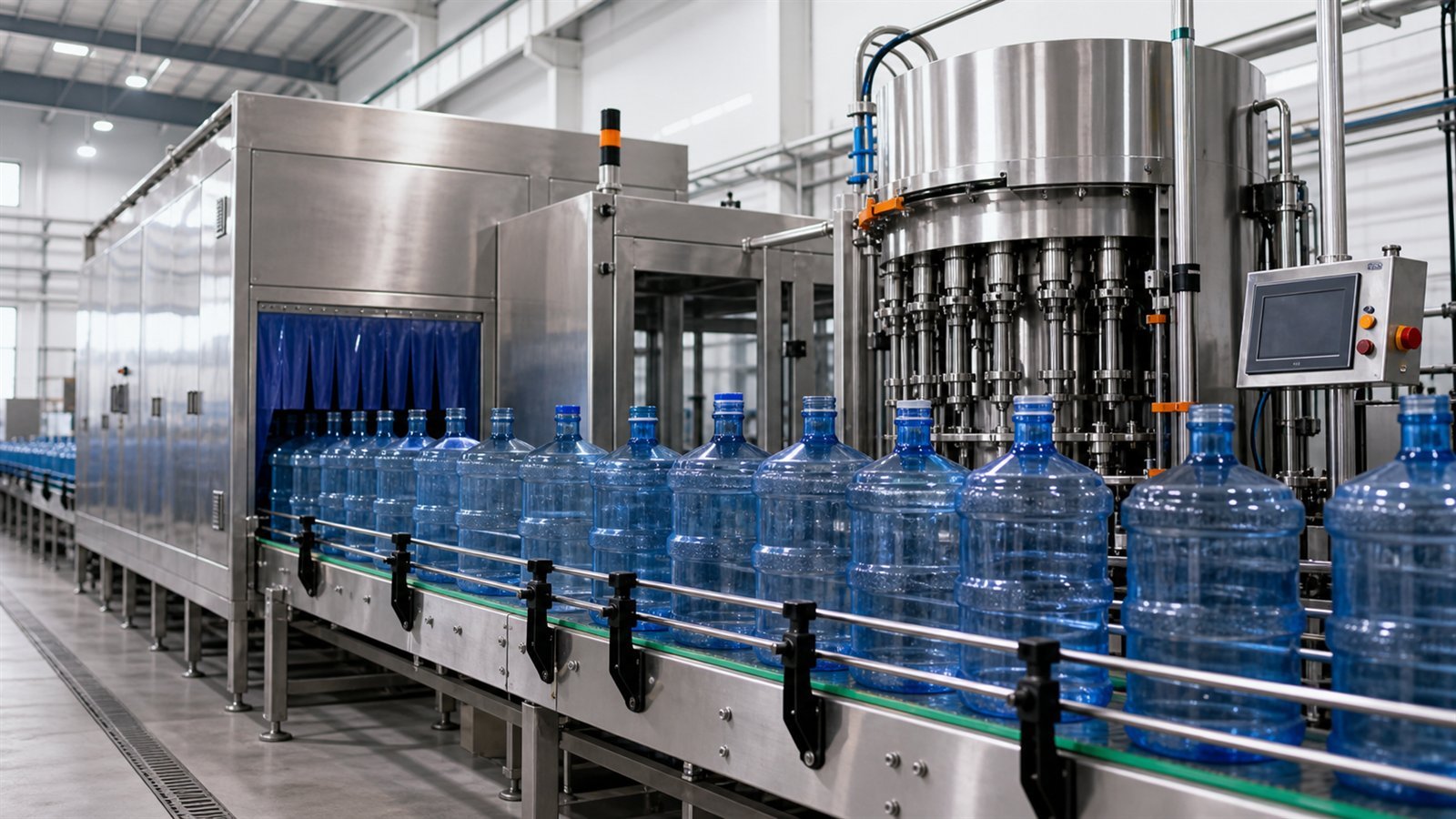
Large bottle washing, filling and capping for drinking water plants.
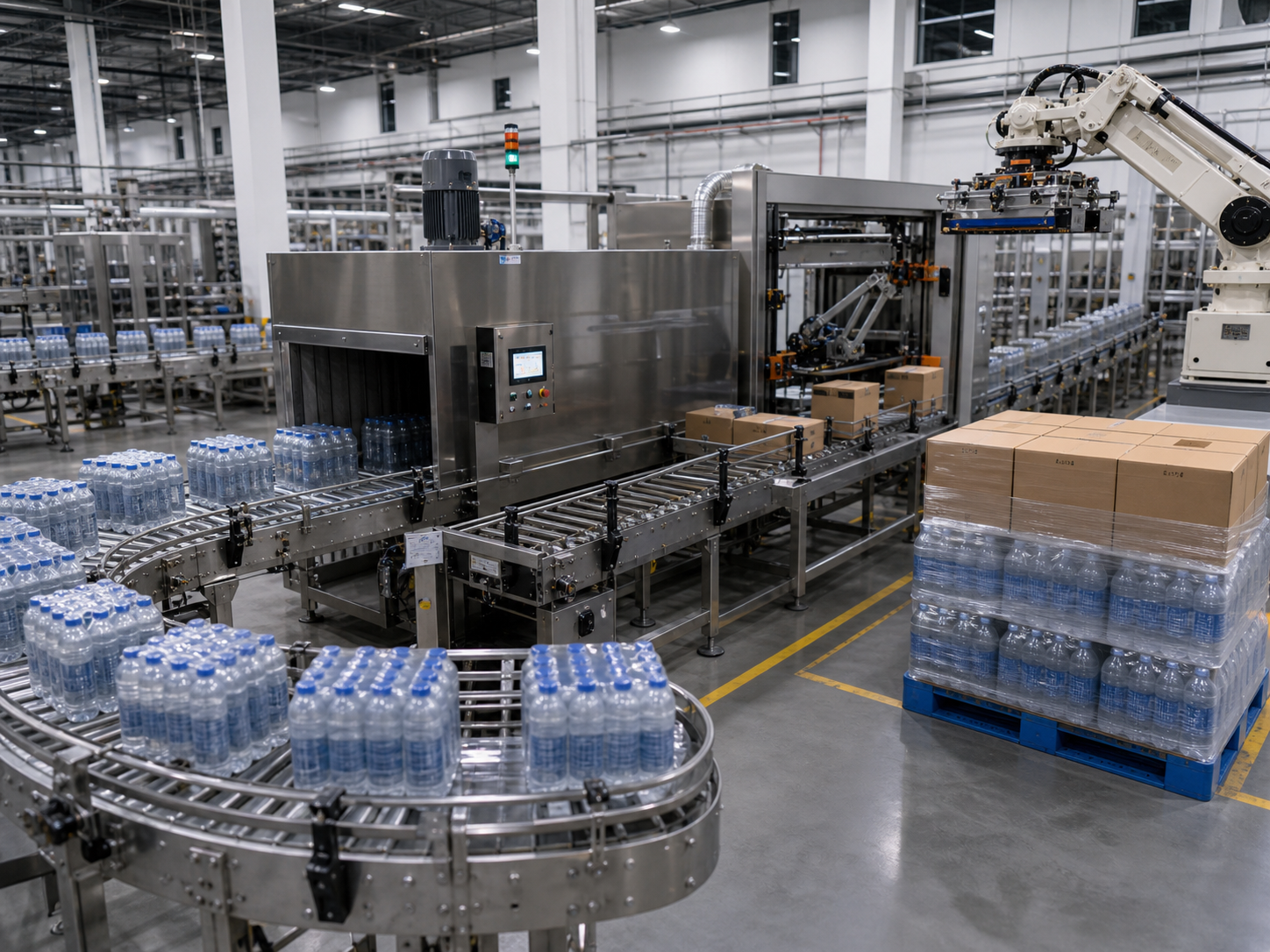
Shrink wrapping, carton packing, conveying and export-ready palletizing.
Best-fit situations
- Automatic empty bottle feeding.
- PET or HDPE bottle handling.
- Matching conveyors and filling line speed.
Before quotation
Send the real liquid, bottle, cap, speed, accuracy and packaging requirements. We avoid fake prices because configuration changes cost.
Selection table
| Liquid details | Viscosity, foam, particles, temperature and filling accuracy. |
| Container details | PET, glass, HDPE, jar, can or large container; volume, neck and cap. |
| Packaging scope | Capping, sealing, labeling, coding, packing, conveyors and export requirements. |
Buyer decision brief
Integrate a bottle unscrambler with the real infeed and line controls
The useful output depends on bottle behavior, loading, orientation, discharge control and downstream demand. Treat the unscrambler as a line interface, not an isolated speed rating.Incoming condition
Provide every bottle drawing and sample, material, weight, center of mass, neck and base features, decoration sensitivity and any shapes that can nest or tangle.
Format definition
Define target and surge demand, bulk loading method, hopper autonomy, operator replenishment, orienting criteria, reject handling and accepted bottle damage.
Line interface
Fix footprint, working height, discharge spacing, conveyor and guide-rail interface, accumulation, guarding, access and ready, blocked and starved signals.
Quality evidence
Test mixed normal samples and the hardest format, recording output, misorientation, jams, damage, replenishment, changeover, fault recovery and downstream starvation.