
Packaging Equipment for Filling Lines
Match capping, sealing, labeling, coding, packing, conveyors and turntables with your filling machine and container.
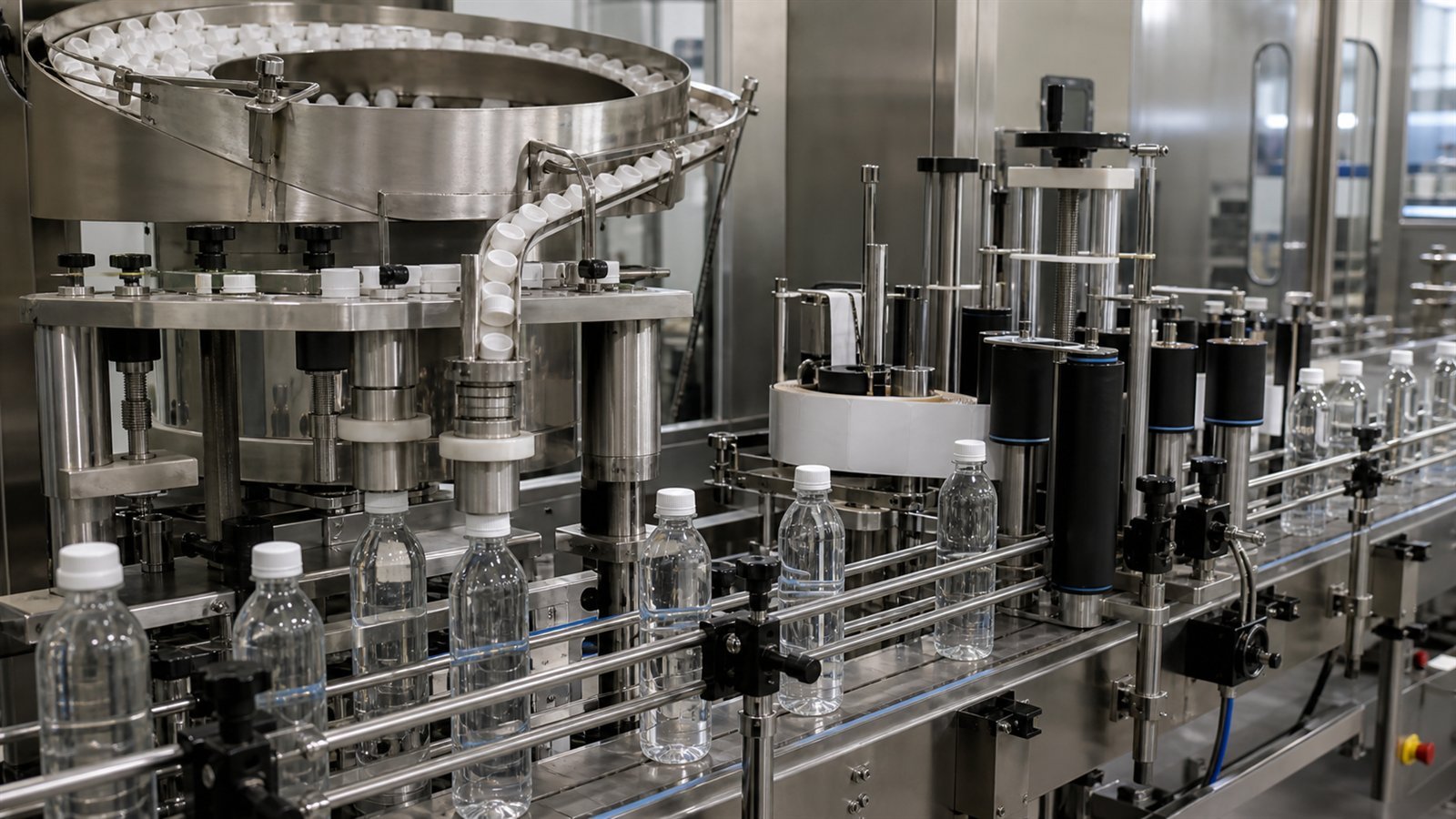
Realistic equipment views for faster selection
Use these eight machine categories to compare filling, capping, labeling, packing and water treatment options before requesting a quotation.
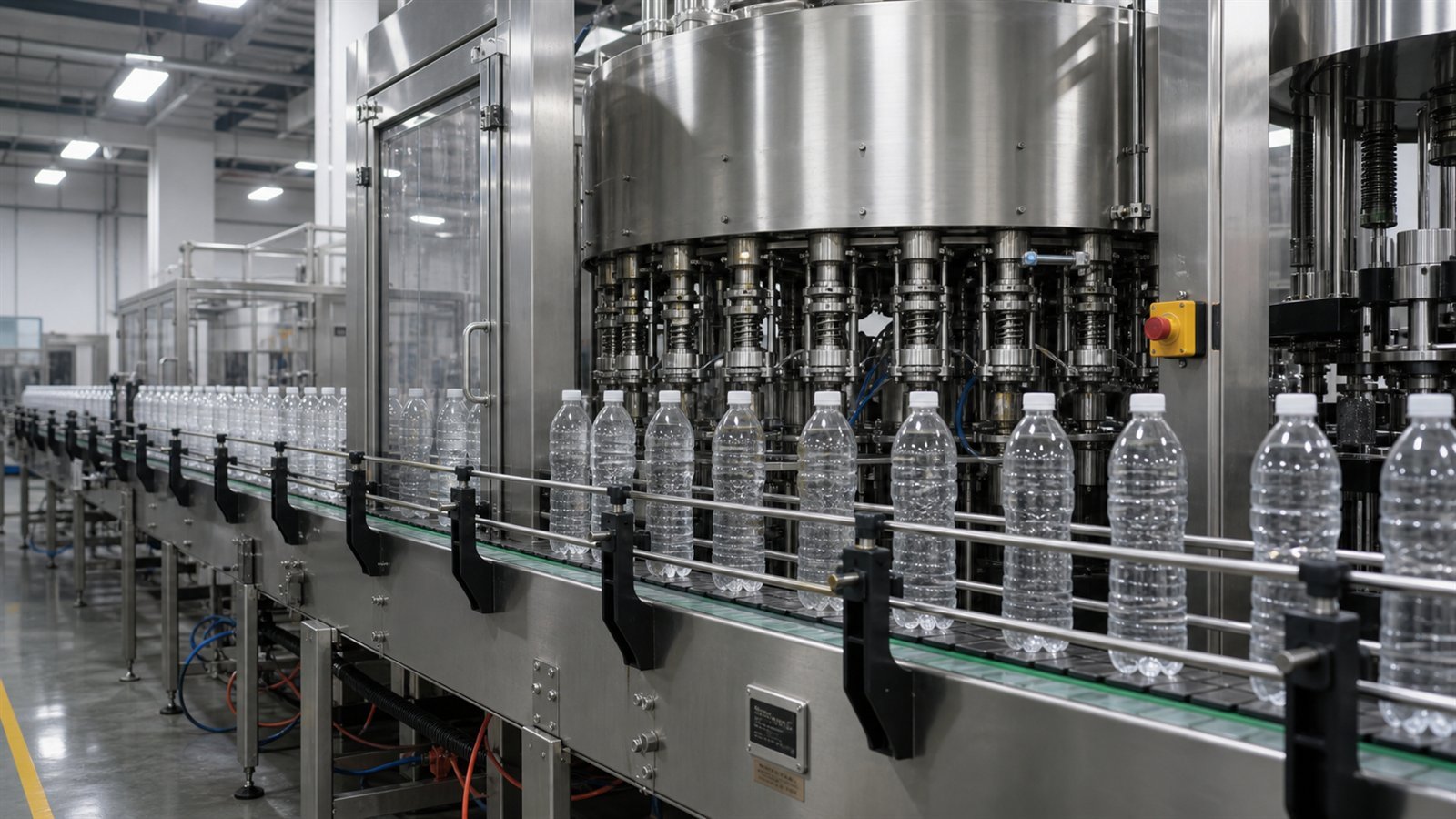
PET bottle rinsing, filling, capping and conveying from China.
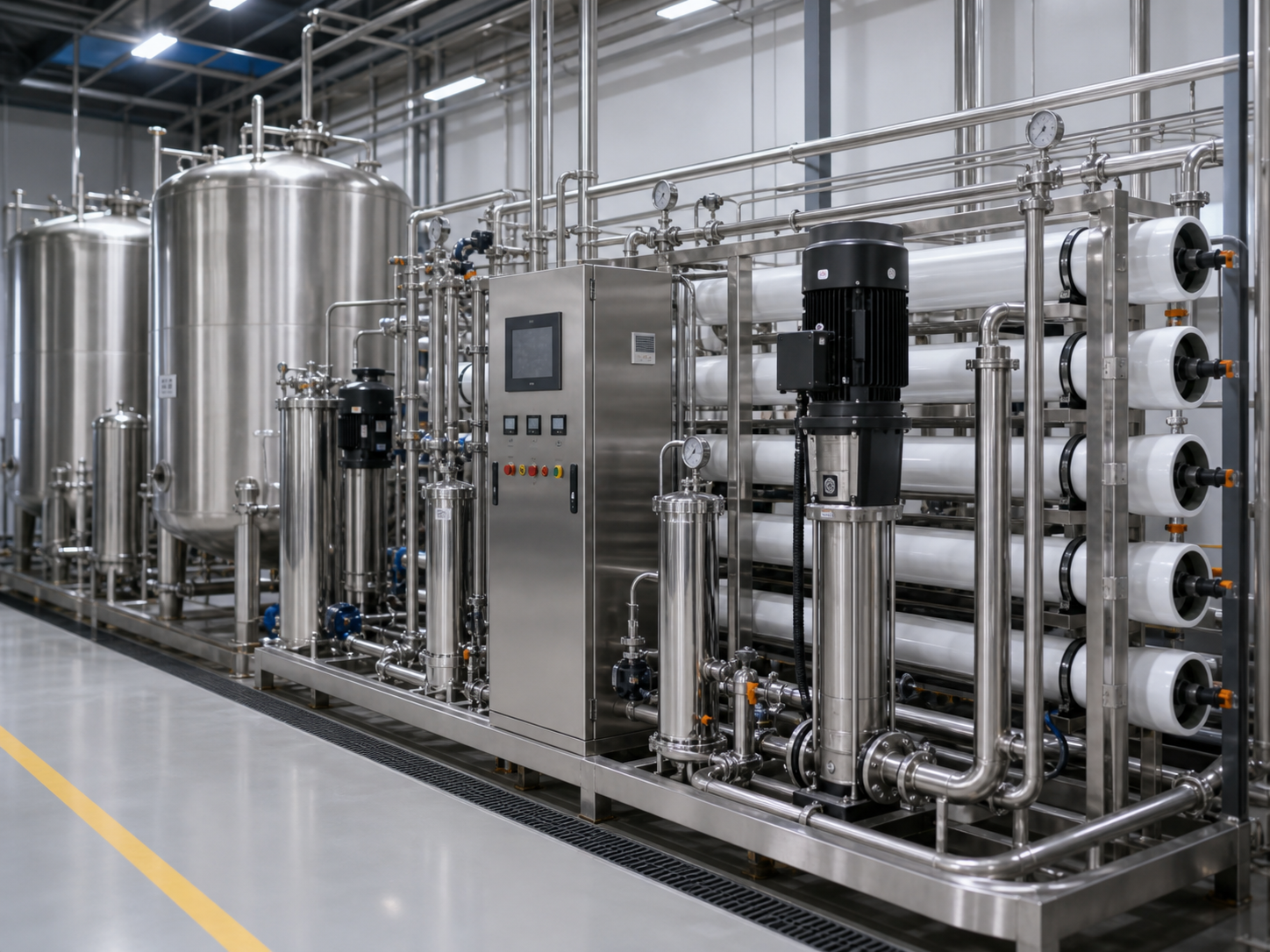
RO filtration, pretreatment, tanks and stainless pipework before beverage filling.
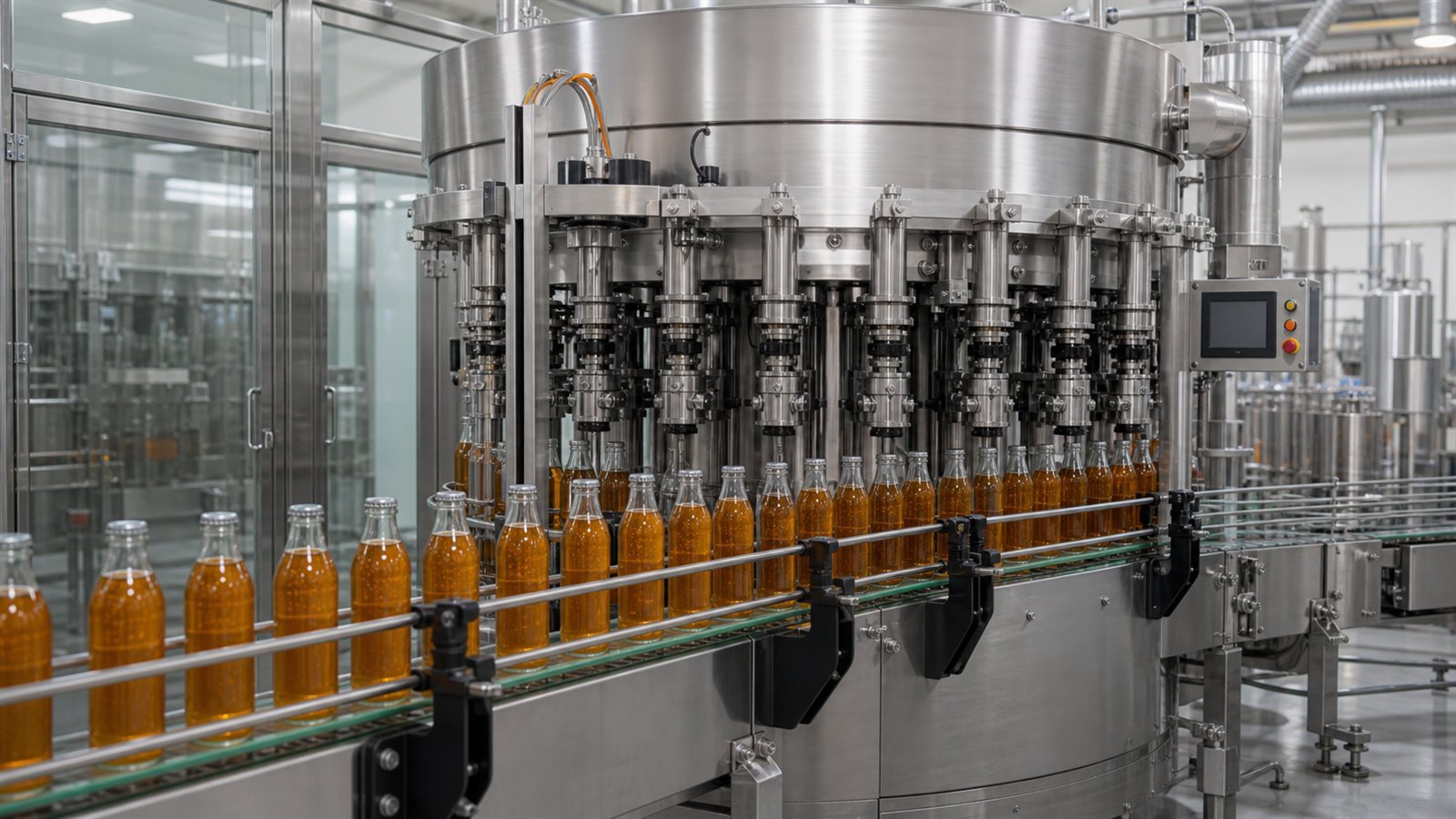
Isobaric filling and capping for soda, sparkling water and CSD.
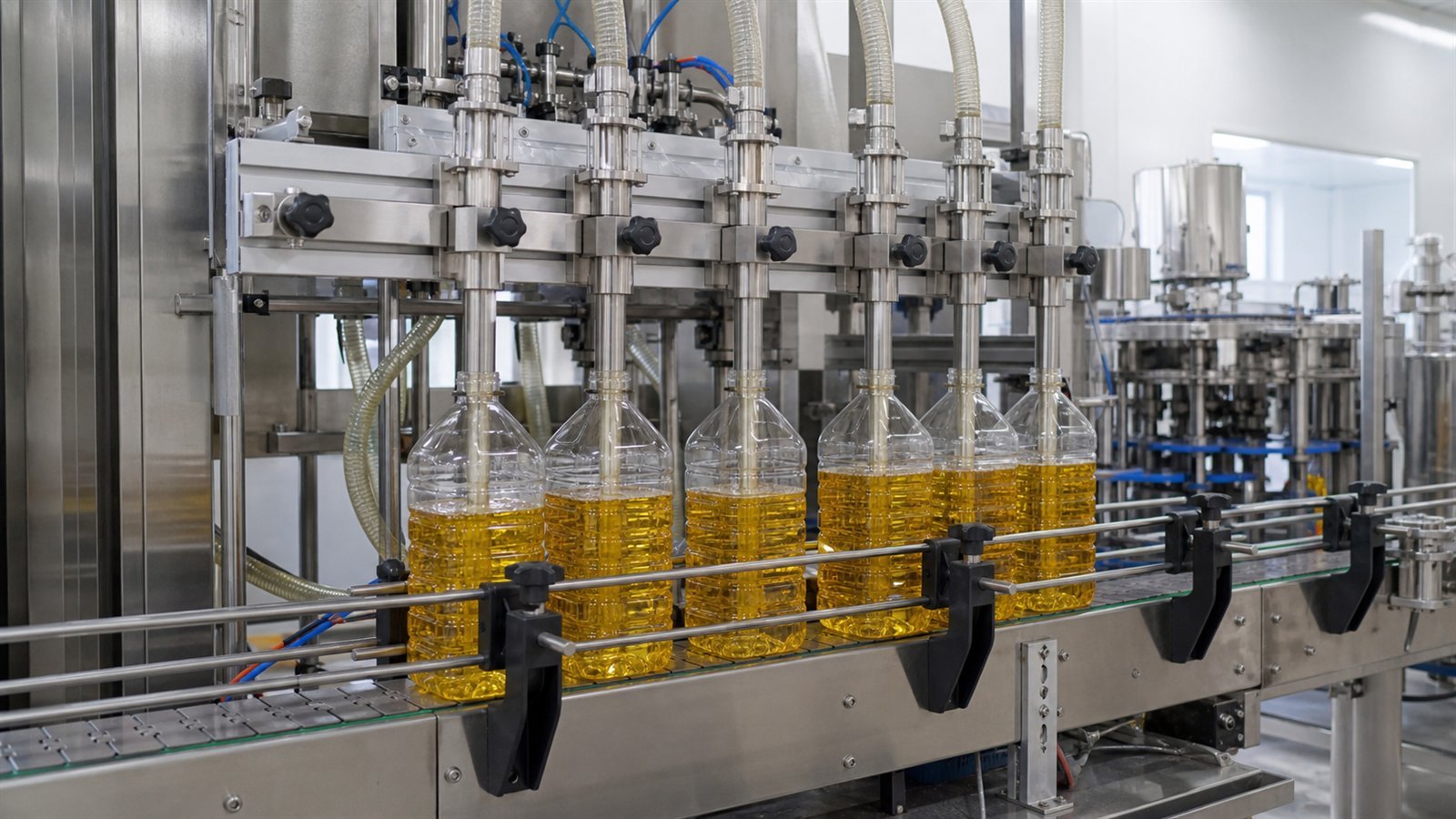
Volumetric or net-weight filling for edible oil and high-value liquid products.
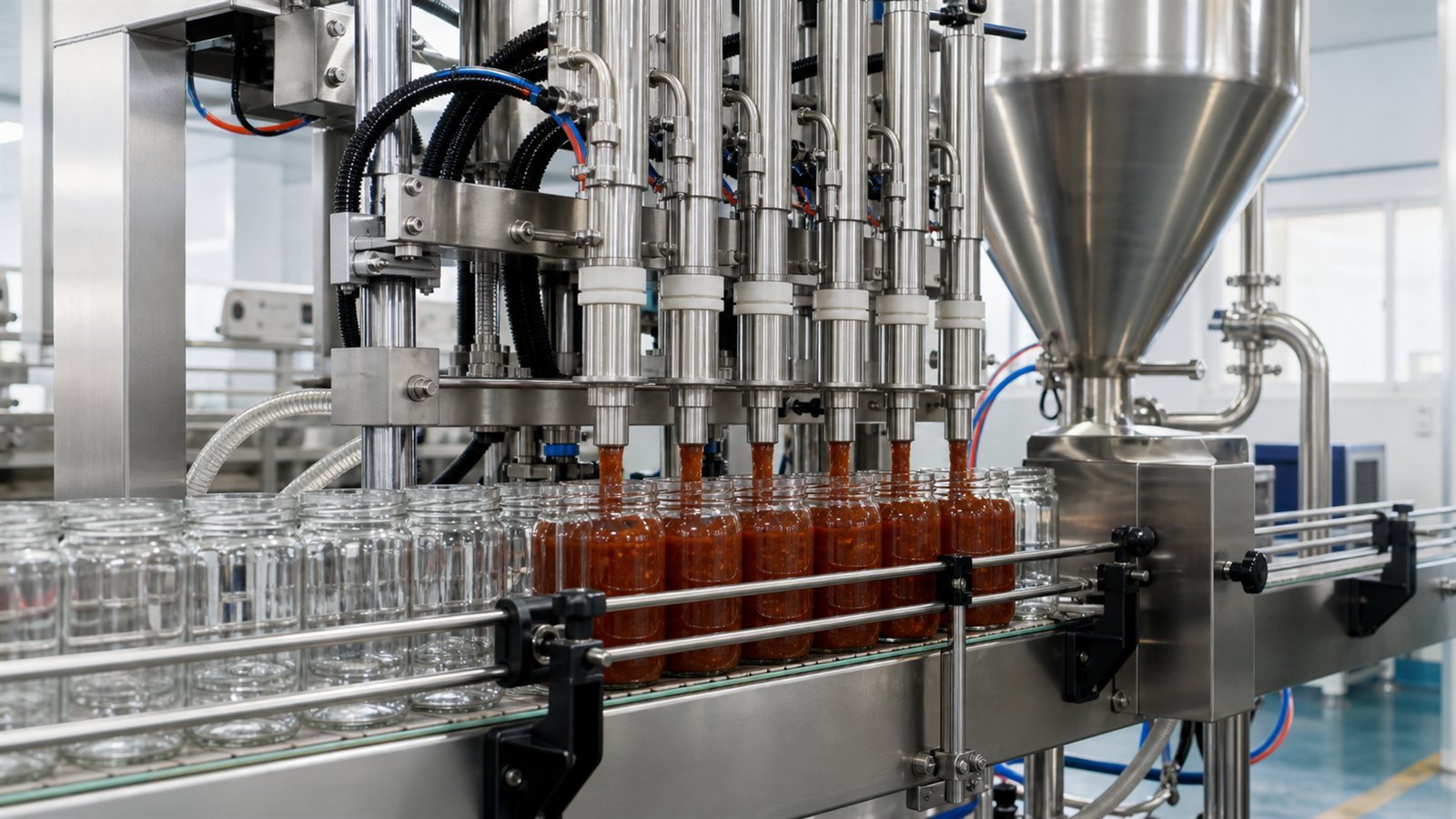
Piston filling for viscous products, jars, sauces and anti-drip nozzles.
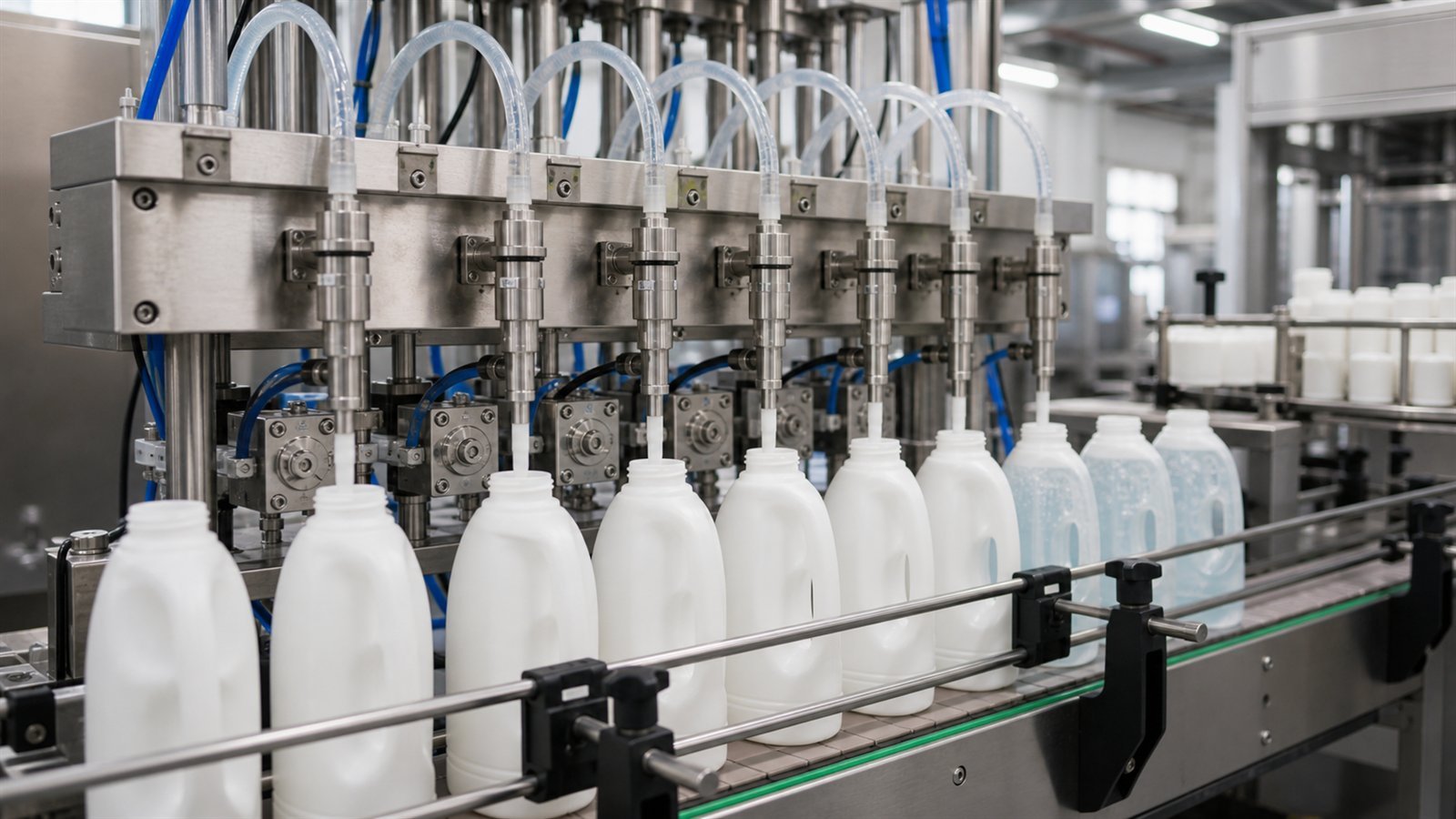
Pump filling for HDPE bottles, cleaners and personal care liquids.
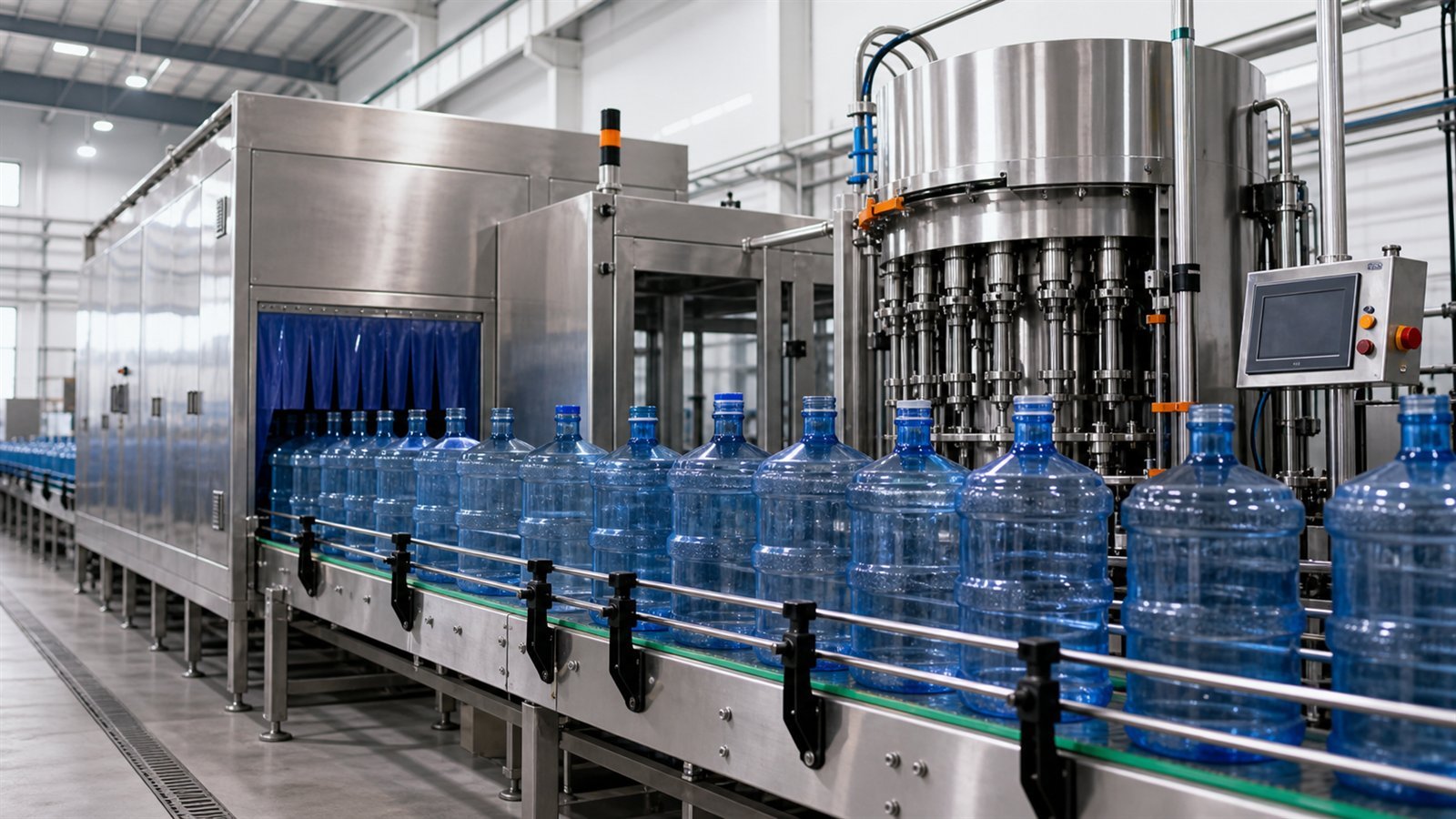
Large bottle washing, filling and capping for drinking water plants.
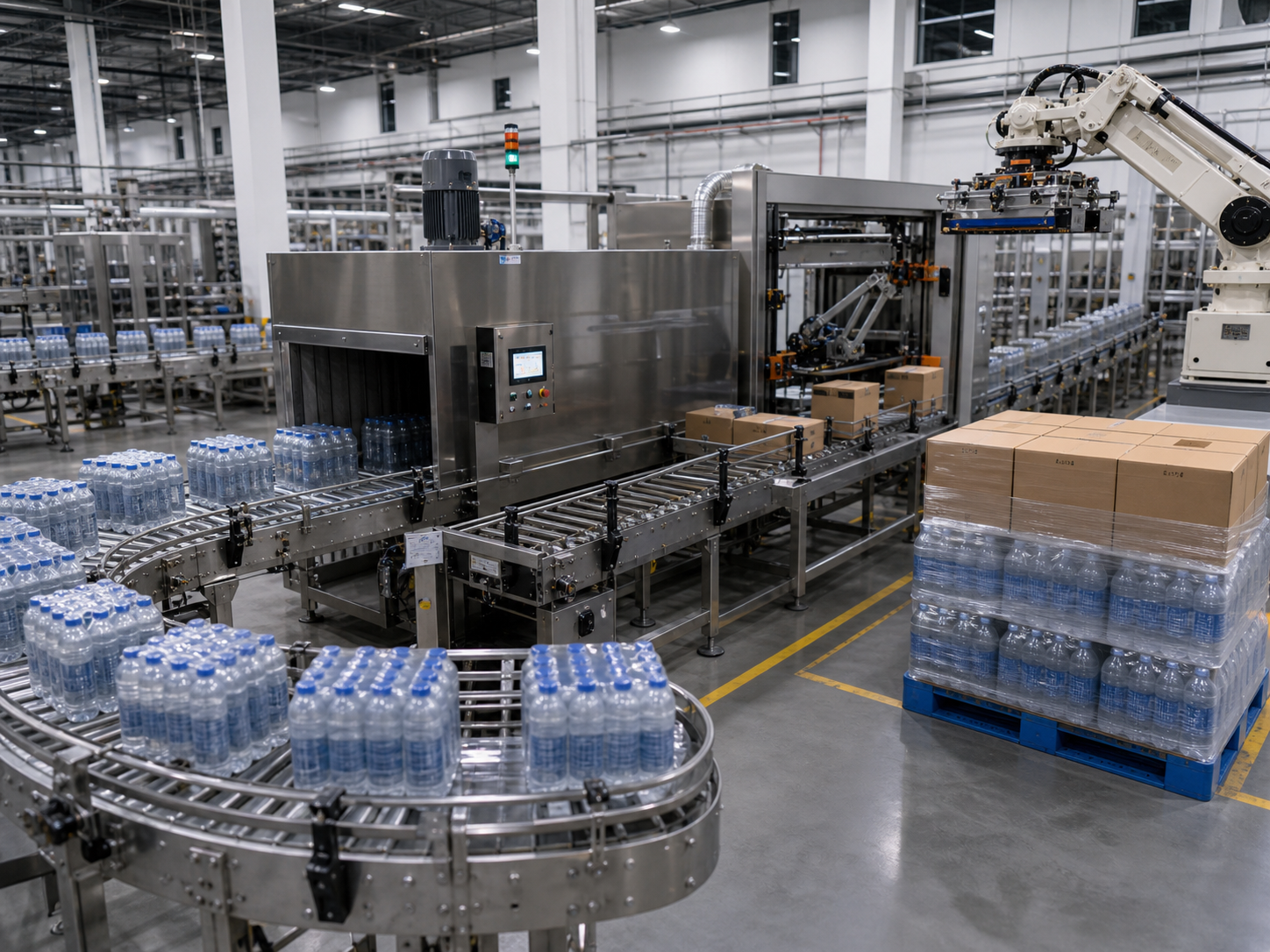
Shrink wrapping, carton packing, conveying and export-ready palletizing.
Choose the closest starting point
Capping Machine
Cap sorting, torque control and closure matching.
Bottle Labeling Machine
Sleeve, sticker, wrap-around and OPP labeling choices.
Date Coding Machine
Date, batch and traceability coding.
Induction Sealing Machine
Foil sealing for bottles and jars.
Shrink Wrapping Machine
Film packing for bottles, jars and multipacks.
Conveyors & Turntables
Connect filling, capping, labeling and packing machines.
Buyer decision brief
Design end-of-line equipment from the finished saleable pack
Packaging equipment should be selected backward from the required retail bundle, shipping case and pallet. Bottle condition, label material, code location, pack count, film or carton specification and warehouse method determine the line interfaces and the downstream speed that must be sustained.
Selection matrix
Decisions to resolve before supplier comparison
| Decision area | Define in the RFQ | Why it changes the equipment |
|---|---|---|
| Labeling | Shrink sleeve, OPP roll-fed, pressure-sensitive or another approved method. | Match bottle geometry, surface moisture, roll direction, registration and changeover. |
| Coding and inspection | Date, lot, traceability, print window and reject requirement. | Verify contrast, adhesion and readable codes at production speed with fault challenges. |
| Shrink or tray pack | Bottle pattern, film, tray, tunnel and cooling conditions. | Inspect bundle strength, film seams, bottle deformation and recovery after stops. |
| Carton packing | Case style, board grade, partition, closure and count. | Confirm erecting, loading, sealing, code and transport stability with real materials. |
| Palletizing | Pack weight, pallet, pattern, layer pad, wrap and warehouse route. | Check load stability, height, forklift access and the required finished-pallet rate. |
Quotation inputs
Information to send
- Finished container dimensions, weight and surface condition.
- Approved labels, artwork, roll winding and application tolerance.
- Code content, substrate, print window and verification method.
- Bundle count, film, tray, carton and adhesive specifications.
- Pallet size, layer pattern, maximum height and warehouse handling.
- Required line speed, accumulation and planned format changes.
Acceptance evidence
What to verify
- Run production-intent labels, inks, films, cartons and pallets.
- Inspect appearance, registration, readability and pack count.
- Perform agreed leak, bundle, case or transport checks.
- Challenge missing label, bad code and reject-system detection.
- Verify restart after a downstream stop without damaged accumulation.
Buyer questions
Questions to settle before an order
How is packaging-machine capacity selected?
Use the finished packs per minute required by the filling line, then account for pack count, format changes, material replenishment, short stops and realistic efficiency. Bottle-per-hour claims alone do not size a carton or pallet system.
Which labeling method should I choose?
The choice depends on bottle geometry, label material, decoration area, surface moisture, orientation, output and local material supply. Test actual bottles and production label rolls before final approval.
When is shrink wrapping preferable to cartons?
Shrink or tray packs can use less packaging material and provide product visibility. Cartons may offer stronger protection and printing area. Distribution conditions and customer requirements should decide the format.
What should an end-of-line FAT include?
Run real containers and packaging materials at the agreed rate, inspect label and code quality, verify pack count and strength, challenge reject functions and demonstrate stop-restart behavior.
Packaging line buyer answers
Choose bottle packaging equipment from the finished retail and shipping pack
End-of-line equipment should be sized backward from the saleable unit, bundle, carton, pallet and distribution route. Label material, code location, inspection, pack pattern, film or board grade, accumulation and pallet handling decide whether the filling line can maintain good output. Treat capping, labeling, coding, packing and conveying as connected production stages rather than isolated catalogue machines.
Selection sequence
Engineer packaging equipment as one balanced downstream system
A fast filler cannot recover output when labels, pack materials or downstream stops are not controlled. Resolve these interfaces together.
Define the saleable pack
Freeze bottle, closure, label, code, bundle count, carton, pallet pattern and quality limits. Use production materials for trials.
Calculate each machine rate
Convert bottle output into labels, bundles, cartons and pallets per minute. Include replenishment, rejects, changeover and realistic efficiency.
Plan accumulation and stop logic
Decide where containers can buffer safely, how pressure is controlled and how upstream machines slow or stop when downstream equipment is unavailable.
Build inspection into the flow
Locate checks for cap, fill level, label, code, pack count and reject confirmation. Define fault challenges and data ownership.
Validate distribution performance
Check bundle or carton strength, pallet stability and damage after agreed handling or transport simulation, not only appearance at machine discharge.
Direct buyer answers
Packaging equipment questions for complete filling lines
Each answer identifies the decision, the evidence to request and the condition that should be tested before purchase.
How do I size packaging equipment for a filling line?
Start with sustained good bottles per minute for each format. Convert that rate using bottles per bundle or carton and packs per pallet layer. Add margin for normal speed variation, but do not hide unrealistic filler assumptions behind a faster downstream nameplate. Review material replenishment, changeover, reject rate, accumulation and recovery after short stops. The acceptance target should be integrated good output for the complete line.
Which bottle labeling machine should I choose?
Shrink sleeve works around compatible shapes and can provide broad decoration; roll-fed OPP hot-melt is often evaluated for high-volume compatible cylindrical bottles; pressure-sensitive labels offer flexible graphics and can suit many formats. Bottle geometry, surface moisture, label material, roll winding, orientation, speed and local consumable supply determine the choice. Test actual bottles and production label rolls before final approval.
Can bottles be labeled when they are wet or cold?
Condensation or rinse water can reduce adhesive performance, create sleeve movement and interfere with sensors or coding. Define the bottle surface condition at the labeler, not only in a dry sample room. The line may need air knives, drying, temperature control or a compatible label and adhesive. Verify adhesion, wrinkles, bubbles and label position after normal cooling and handling.
Where should date coding and inspection be installed?
Choose a stable, accessible print surface with sufficient dwell time and contrast. The coder may be before or after labeling depending on whether the code goes on the bottle, label, cap, film or carton. Define code content, size, permanence and verification. A vision or sensor system should challenge missing, unreadable or incorrect codes and confirm that rejected packs leave the good-product flow.
Is shrink wrapping or carton packing better?
Shrink film or tray packs can reduce material and show the product, while cartons may offer greater protection, stacking strength and printable area. The right format depends on bottle stability, pack count, transport distance, warehouse conditions, retailer requirements and local materials. Compare the complete pack cost and damage risk. Run production film or board during FAT and inspect the pack after cooling and handling.
How much conveyor accumulation does a bottling line need?
Accumulation is based on likely stop duration, line speed, container stability and the control response between machines. More conveyor is not always better because pressure can scuff, tip or deform containers. Map frequent stoppages, calculate the buffer time and design low-pressure zones or metering where needed. Test downstream stops and controlled restart with the least stable container.
When does a filling line need automatic palletizing?
Automatic palletizing becomes more attractive when pack weight, sustained case rate, labor exposure, stack consistency or multiple shifts justify it. Define pallet size, layer pattern, load height, slip sheets, wrap and warehouse route. Compare robotic and conventional approaches by format flexibility, footprint, speed and service. Acceptance should verify a stable load through normal forklift and storage handling.
How are label, film and carton changeovers controlled?
Create a recipe and parts list for every format. Mark guide positions, sensor locations, roll winding, print files and pack patterns. Use error-proofing where practical so the wrong material or recipe is detected. Time the complete transition from last good pack to stable approved output, including material clearing, quality release and any warm-up of adhesive or shrink equipment.
What should a packaging line inspection system reject?
The scope may include missing or high caps, incorrect torque indicators, absent labels, poor label position, unreadable codes, wrong pack counts or damaged cases. Define each defect and the detection limit. Challenge the system with controlled faults at production speed. The reject mechanism should remove the defect, confirm rejection and avoid creating a new jam or untracked product.
What belongs in an end-of-line FAT?
Run production-intent containers, caps, labels, inks, films, cartons and pallets. Measure integrated good output, inspect appearance and code quality, challenge reject functions, verify pack count, demonstrate stop-restart control and time format changes. Record material consumption, damaged packs and unresolved alarms. The test protocol should state who supplies consumables and how nonconformities are closed.
Buyer inputs
Send the complete finished-pack specification
- Filled container size, weight and surface condition.
- Closure and required application inspection.
- Label files, material, roll direction and placement limits.
- Code content, substrate and readability requirement.
- Film, tray, carton, adhesive and pack-count specification.
- Pallet, pattern, load height and warehouse handling.
- Line speed, accumulation need and format schedule.
Supplier evidence
Require an integrated packaging response
- Rate calculation from bottles through finished pallets.
- Conveyor, accumulation and line-control philosophy.
- Consumable specifications and approved operating window.
- Inspection, rejection and fault-challenge matrix.
- Format recipes, change parts and timed procedure.
- Integrated FAT and pack-quality acceptance plan.
- Utilities, manuals, spares and training scope.
How Allot works
Coordinate the complete packaging boundary from China
Allot Tech helps buyers translate a finished-pack requirement into a connected equipment and testing brief for Chinese manufacturing partners. Established in 2019, we began applying our digital communication and online-marketing experience to machinery sourcing and export coordination in 2025. We focus on explicit interfaces and evidence so a quotation for a labeler or packer is not mistaken for a complete working line.
Continue your research
Related filling and packaging decision guides
Follow the route closest to your liquid, package, process or purchasing stage.
Build the packaging line around the finished pack
Capping, labeling, coding, inspection and secondary packing must match the filled container and the way the product will be stored, shipped and displayed. A fast filler does not help when downstream accumulation or pack handling becomes the bottleneck.
Equipment sequence to confirm
- Closure sorting and capping or seaming
- Bottle drying when labels or codes require it
- Label application and orientation
- Date, batch or traceability coding
- Inspection and rejection points
- Shrink wrapping, tray packing or carton packing
- Conveying, accumulation and palletizing
Pack information to provide
- Container dimensions and material
- Cap and label samples or drawings
- Desired bottles per pack and pack pattern
- Film, tray or carton preference
- Required coding position
- Available factory length and conveyor direction
- Manual tasks that should remain or be automated
End-of-line integration
Specify bottle packaging machinery from the finished pack backwards
Bottle packaging machinery should be sized from the finished retail and shipping unit, the sustained good-bottle rate and the interfaces between machines. The pack pattern, label material, bottle stability, accumulation strategy and reject logic often determine whether an apparently fast line produces stable saleable output.Pack definition
Approve the exact bottle count, orientation, tray, film, carton and pallet pattern.
Rate basis
Convert bottles per hour into labels, packs, cases and pallets per minute.
Line proof
Test real consumables through stops, restarts, changeovers and sustained operation.
| Equipment stage | Input that controls selection | Interface question | Acceptance evidence |
|---|---|---|---|
| Capping and closure inspection | Cap geometry, torque or application requirement, bottle support and cap supply | Can the bottle leave filling clean and stable enough for closure application? | Application measurements, leak checks, reject records and cap-feed recovery |
| Labeling and coding | Bottle surface, label construction, artwork, code area and line environment | Is the bottle dry, oriented and spaced at the labeler infeed? | Label-position study, code legibility, reject challenge and changeover record |
| Shrink or carton packing | Pack pattern, container strength, film or board specification and distribution duty | Can upstream accumulation deliver stable groups without scuffing or pressure damage? | Approved pack samples, material-use record, tunnel or sealing result and transport checks |
| Palletizing and dispatch | Case or bundle dimensions, pallet, stacking pattern, height and warehouse route | Who controls pack arrival, layer formation and downstream pallet flow? | Pattern drawing, layer test, interlock test and safe recovery demonstration |
Integration questions that belong in the quotation
- State rated, normal and short-term surge rates for every packaging stage on the same good-output basis.
- Define accumulation zones, stop categories, blocked and starved logic, line control ownership and restart behavior.
- Identify every inspection point, reject mechanism, reject confirmation and data record required by the project.
- List actual labels, inks, films, trays, cartons, pallets and empty containers that must be used during testing.
- Separate standard equipment, format parts, optional automation, installation work and destination-side exclusions.