
Liquid Filling Machine Directory
This directory is now organized by filling technology, liquid type, container and packaging cell equipment.
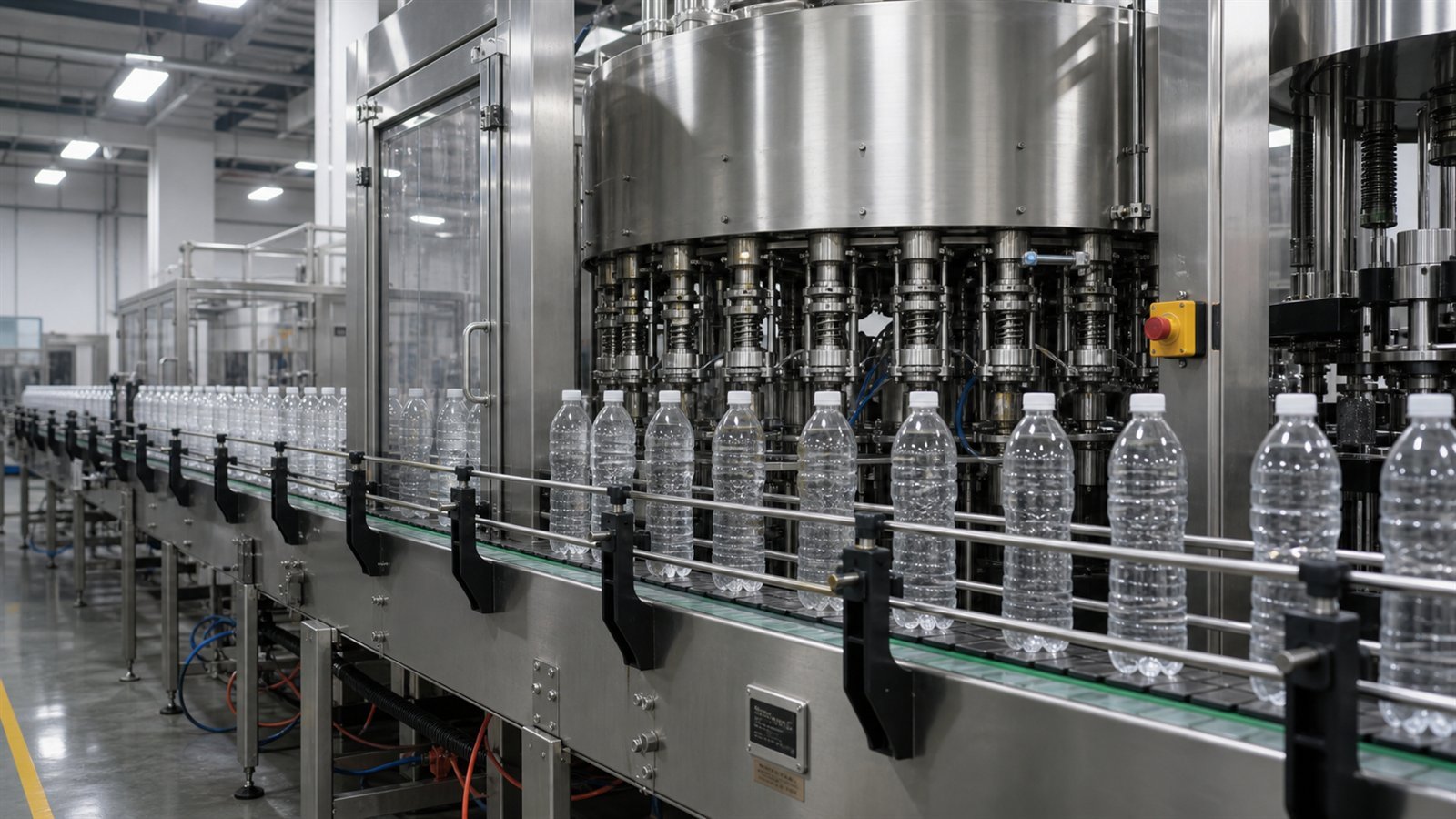
Realistic equipment views for faster selection
Use these eight machine categories to compare filling, capping, labeling, packing and water treatment options before requesting a quotation.
PET bottle rinsing, filling, capping and conveying from China.
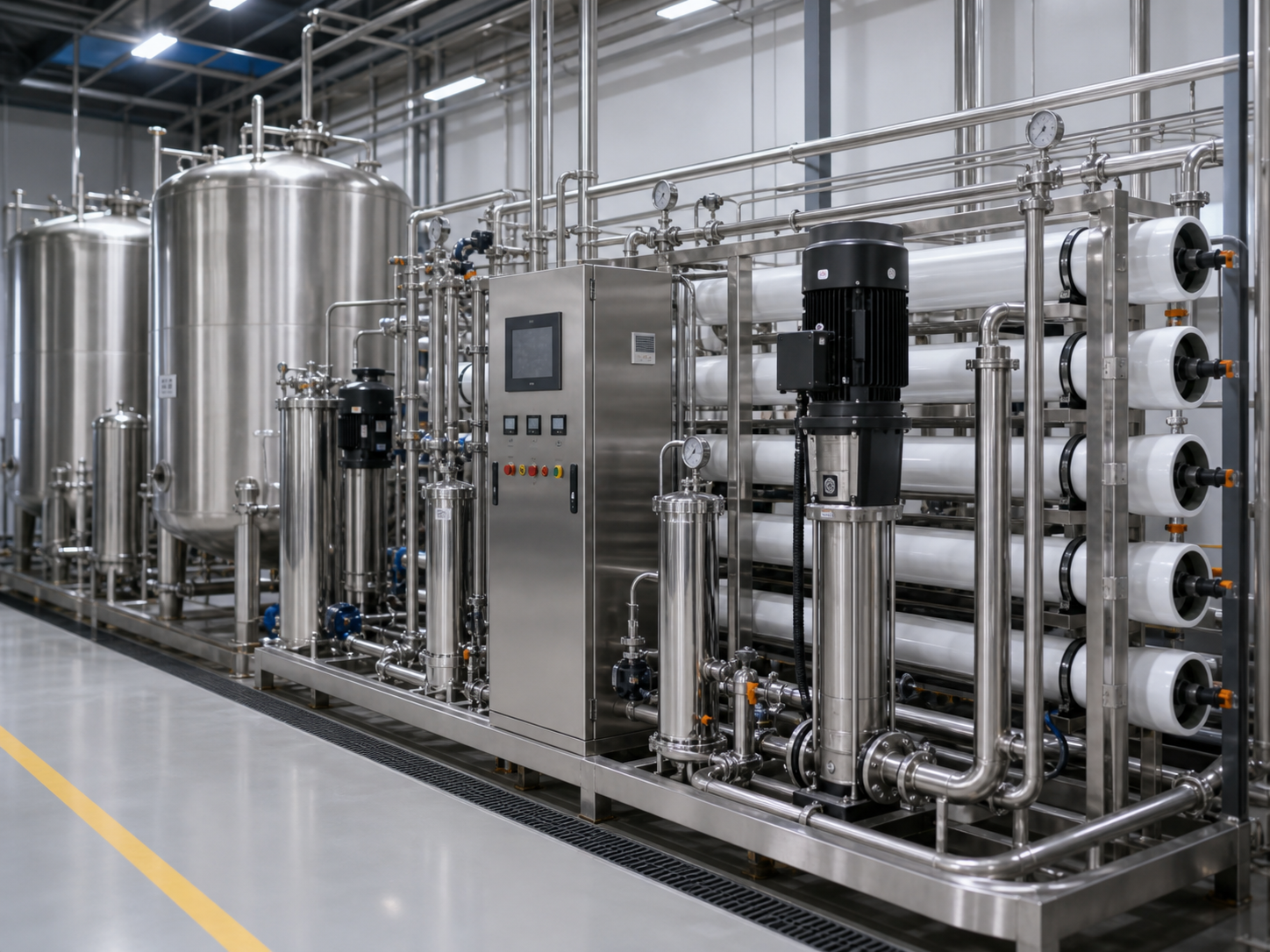
RO filtration, pretreatment, tanks and stainless pipework before beverage filling.
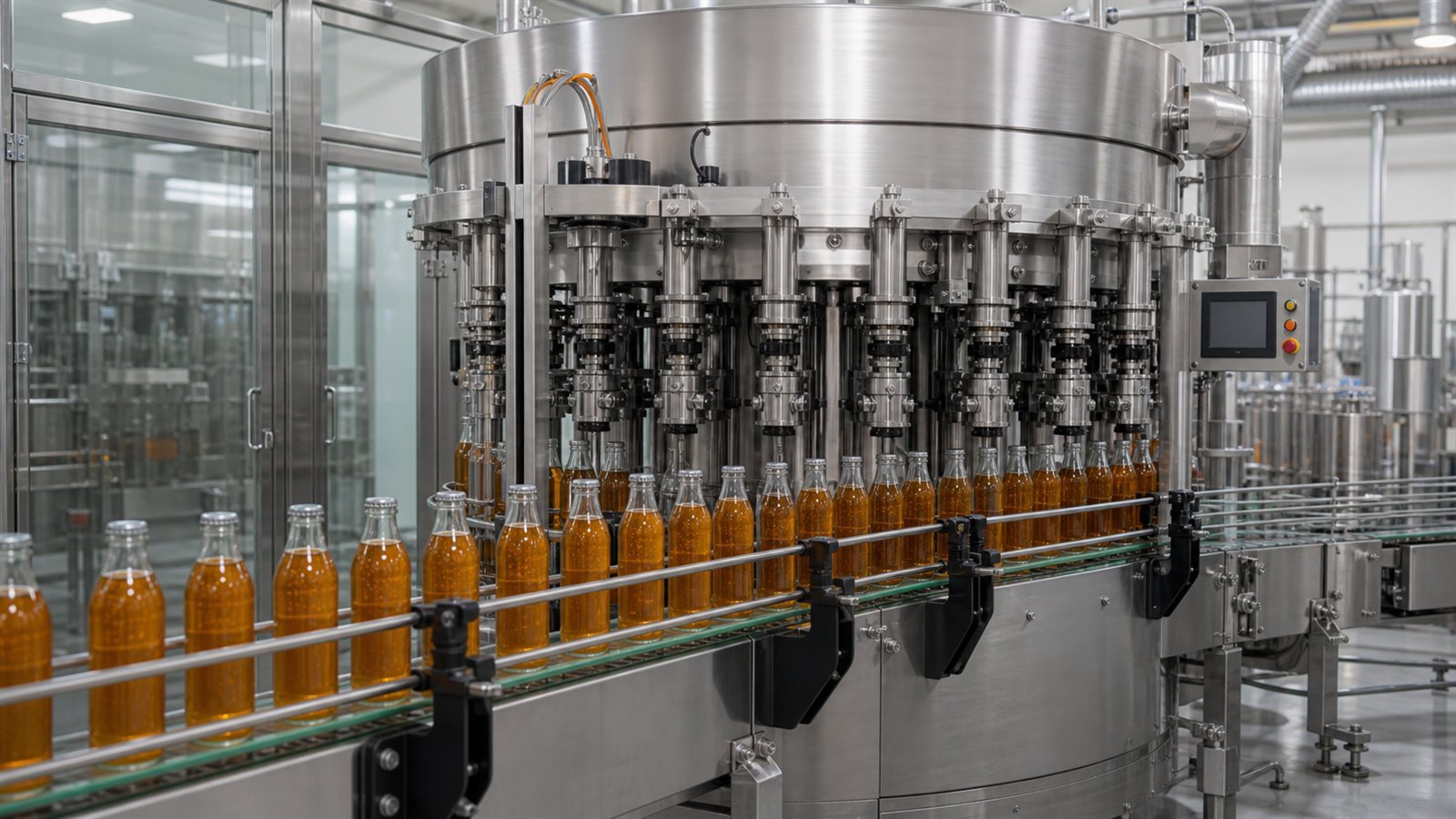
Isobaric filling and capping for soda, sparkling water and CSD.
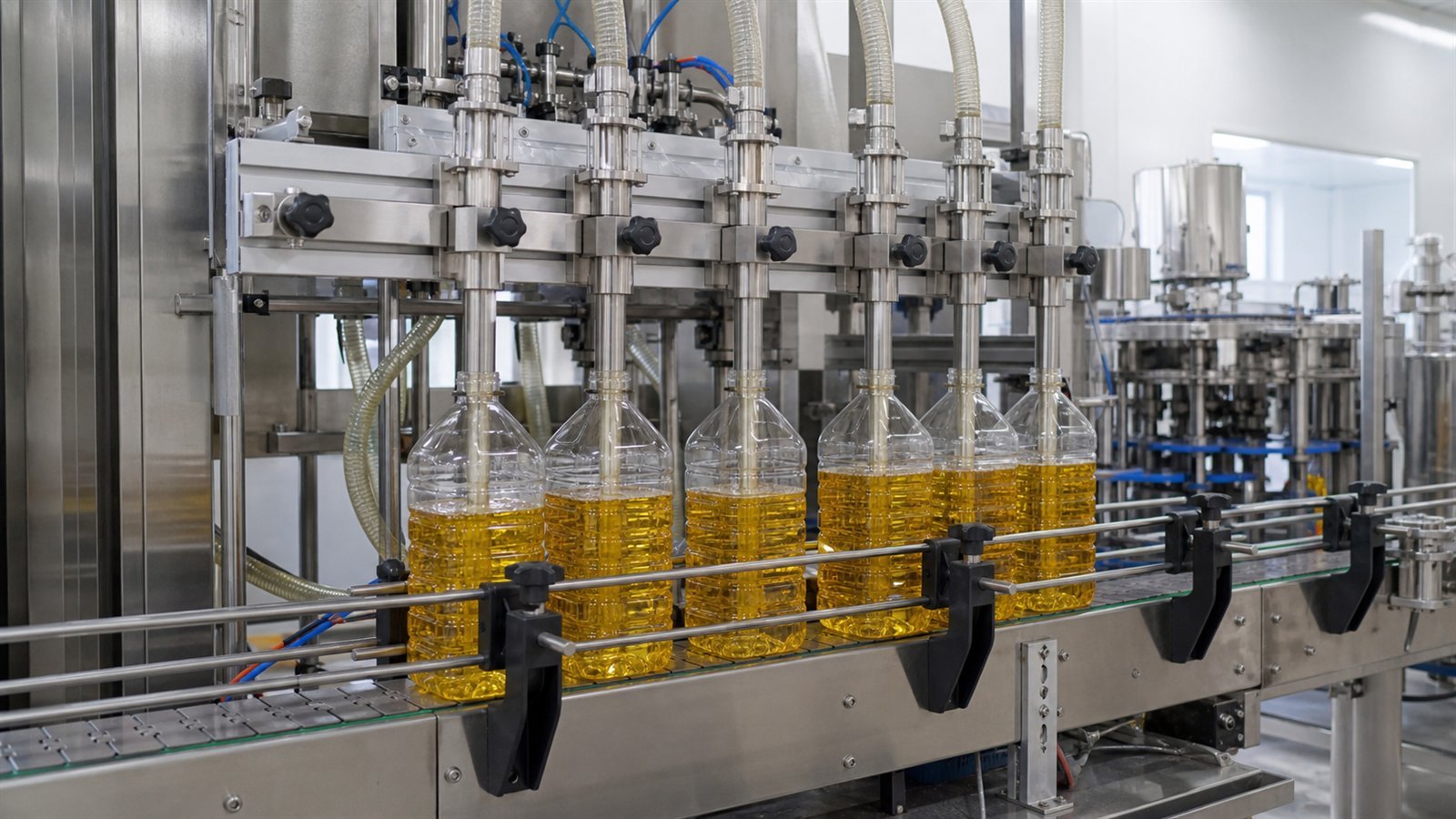
Volumetric or net-weight filling for edible oil and high-value liquid products.
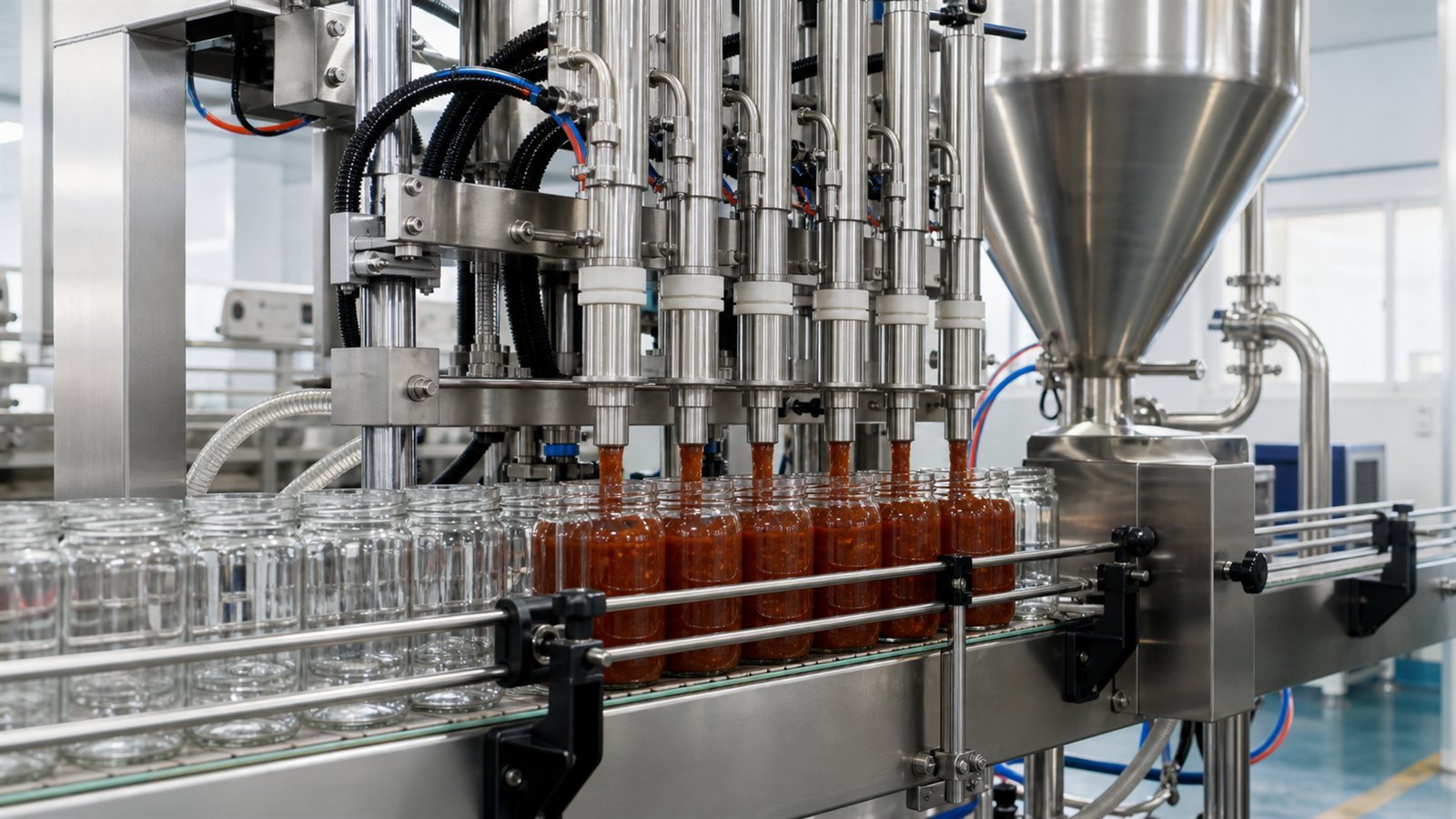
Piston filling for viscous products, jars, sauces and anti-drip nozzles.
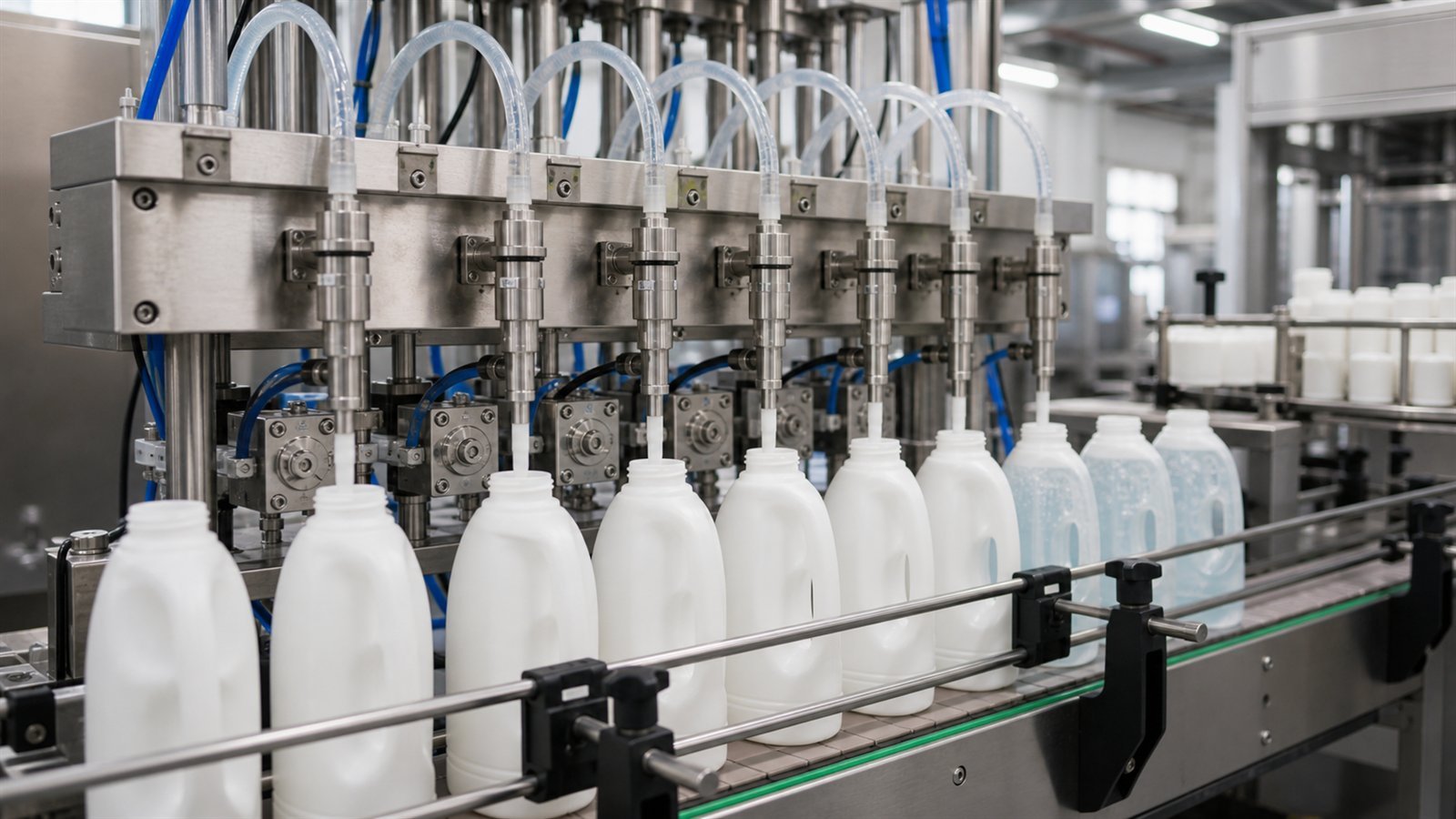
Pump filling for HDPE bottles, cleaners and personal care liquids.
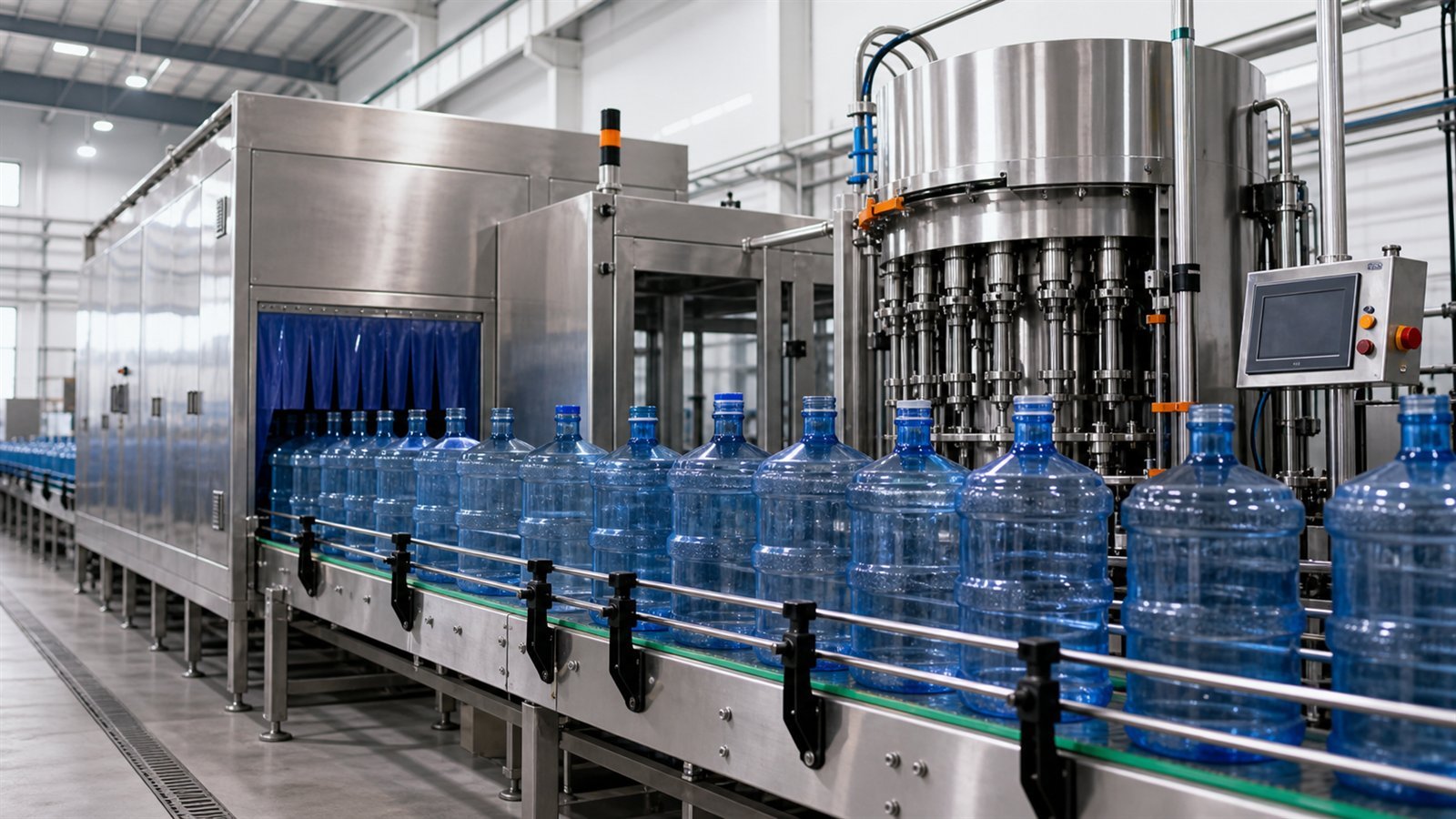
Large bottle washing, filling and capping for drinking water plants.
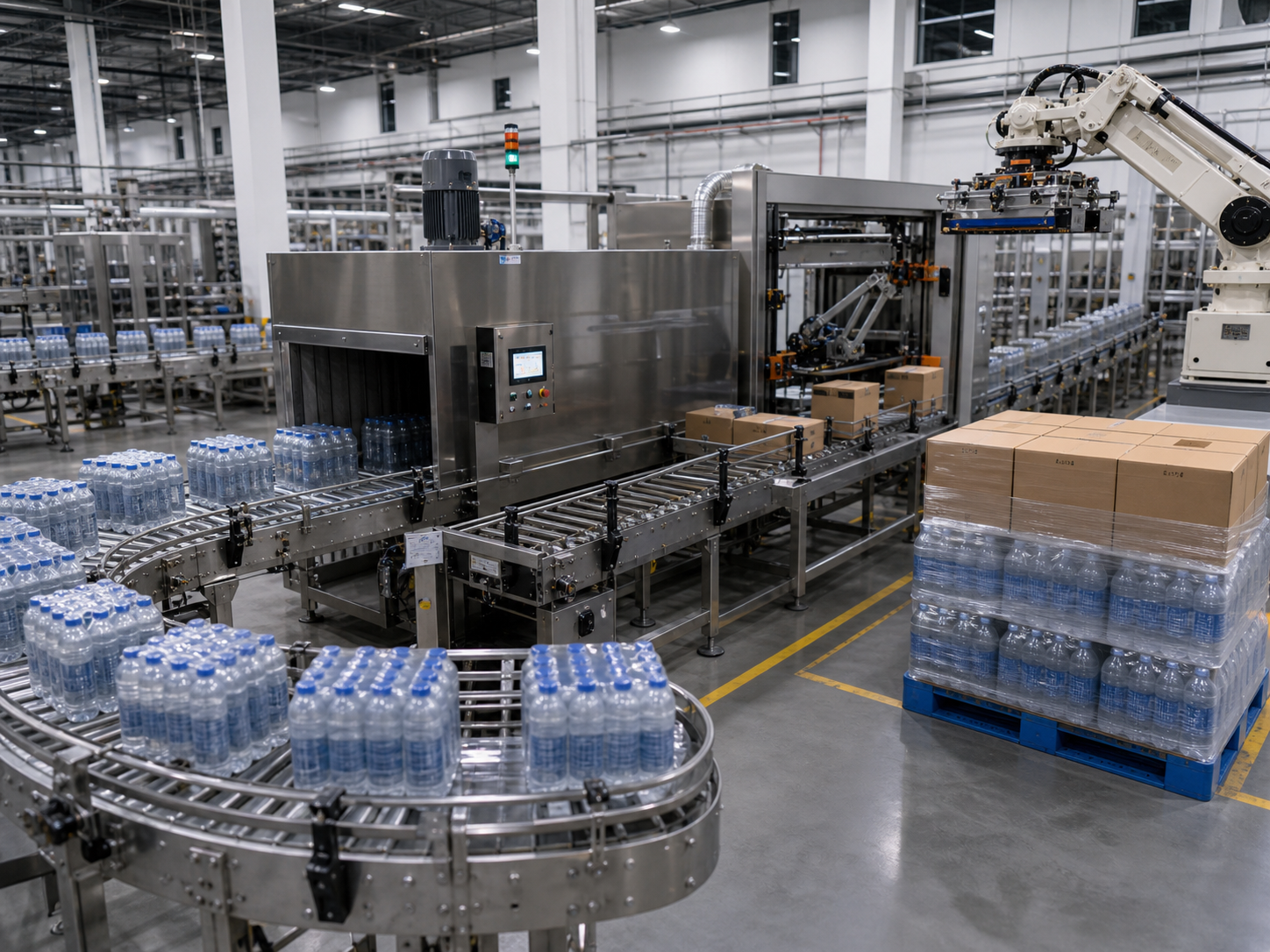
Shrink wrapping, carton packing, conveying and export-ready palletizing.
Choose the closest starting point
Piston Filling Machine
Volumetric filling for viscous and semi-viscous liquids.
Servo Piston Filling Machine
Higher accuracy, recipe control and flexible fill volumes.
Gravity Filling Machine
Water-like, non-carbonated liquids and simple flow filling.
Overflow Filling Machine
Consistent fill level for clear bottles and thin liquids.
Pump Filling Machine
Flexible pump selection for many liquid types.
Isobaric Filling Machine
Pressure filling for carbonated drinks and sparkling products.
Capping Machine
Cap sorting, torque control and closure matching.
Bottle Labeling Machine
Sleeve, sticker, wrap-around and OPP labeling choices.
Date Coding Machine
Date, batch and traceability coding.
Induction Sealing Machine
Foil sealing for bottles and jars.
Shrink Wrapping Machine
Film packing for bottles, jars and multipacks.
Conveyors & Turntables
Connect filling, capping, labeling and packing machines.
More equipment families for beverage and liquid packaging projects
Explore the equipment families used to build complete beverage and liquid packaging projects, from upstream preparation to end-of-line packing.
Complete Water Bottling LineWater treatment, bottle blowing, rinsing, filling, capping, labeling and packing.
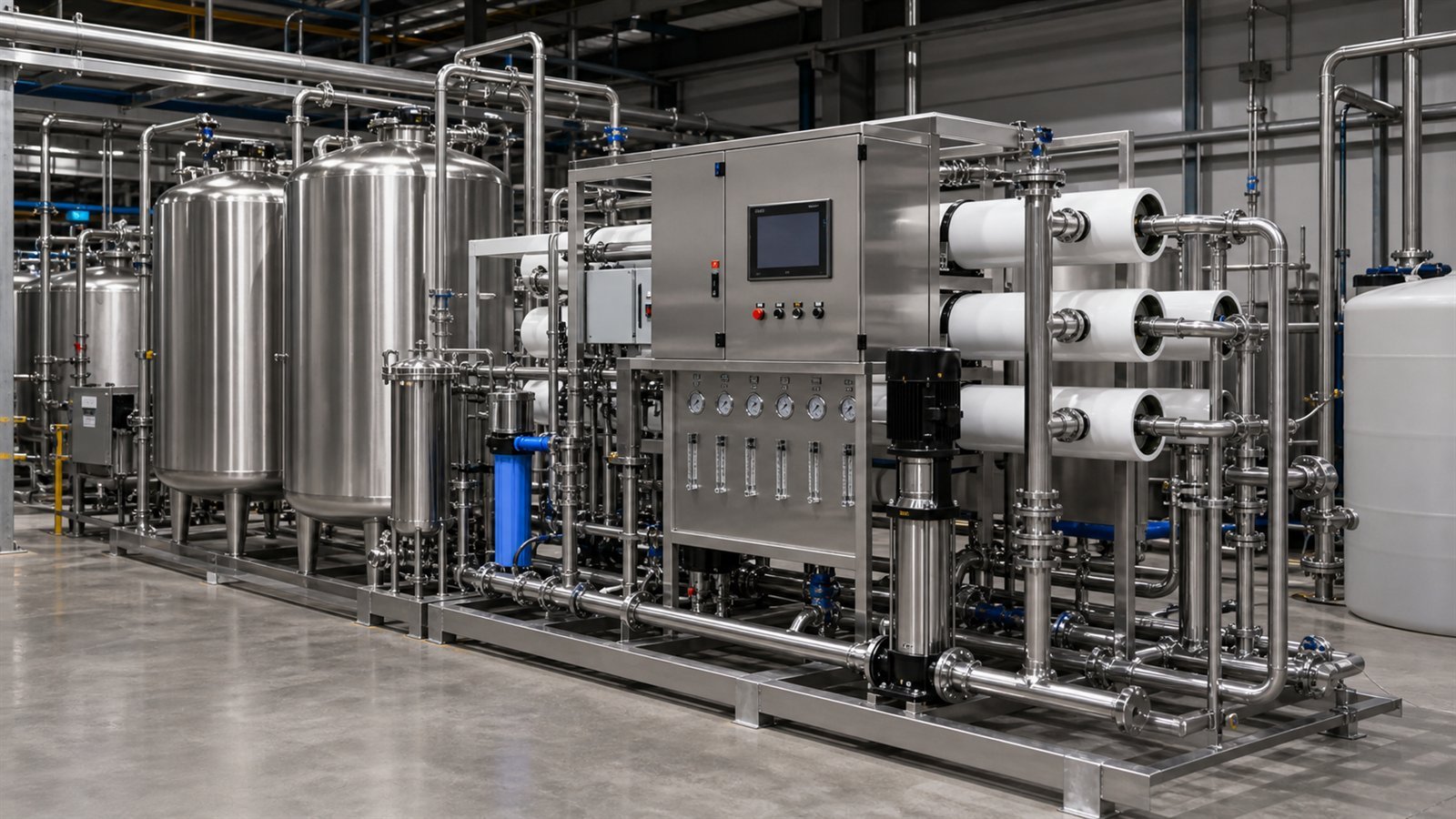 Water Treatment System
RO, filtration, pumps, tanks and stainless pipework before beverage filling.
Bottle Blowing MachinePET bottle blowing and air conveyor matching before filling.
Carbonated Drink Filling LineIsobaric filling and capping for sparkling water, soda and CSD products.
Juice & Tea Filling LineHot fill or room-temperature filling for juice, tea and non-carbonated drinks.
5 Gallon Water LineBottle washing, filling and capping for large drinking water containers.
Edible Oil Filling MachineVolumetric or net-weight filling for edible oil and high-value liquids.
Condiments Filling MachinePiston filling for sauce, jam, honey, syrup and viscous food products.
Daily Chemical Filling MachinePump filling, capping and labeling for cleaners and personal care products.
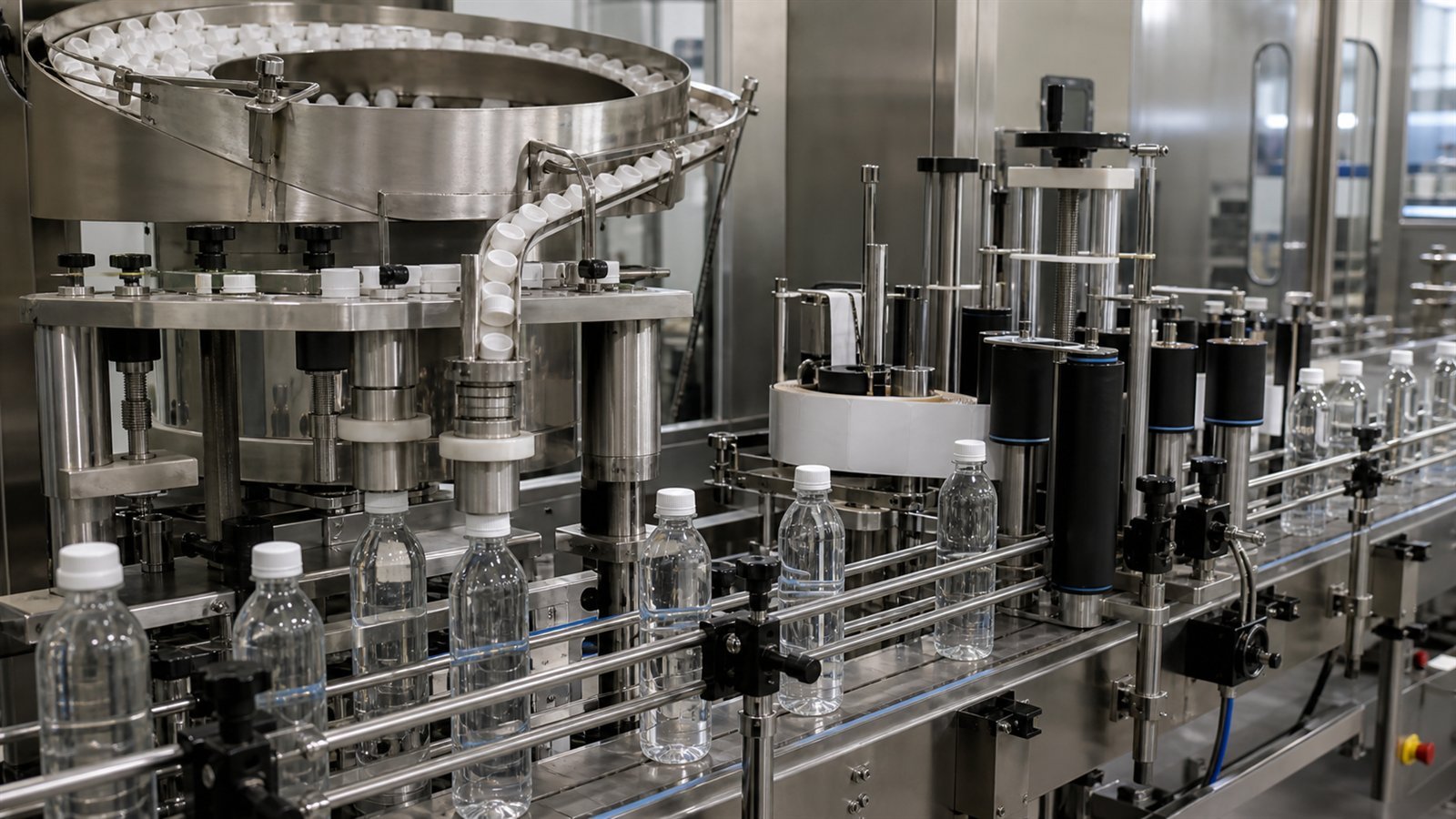 Capping Machine
Cap sorting, screw capping, press capping and torque control.
Labeling MachineSticker labeling, shrink sleeve labeling and bottle orientation options.
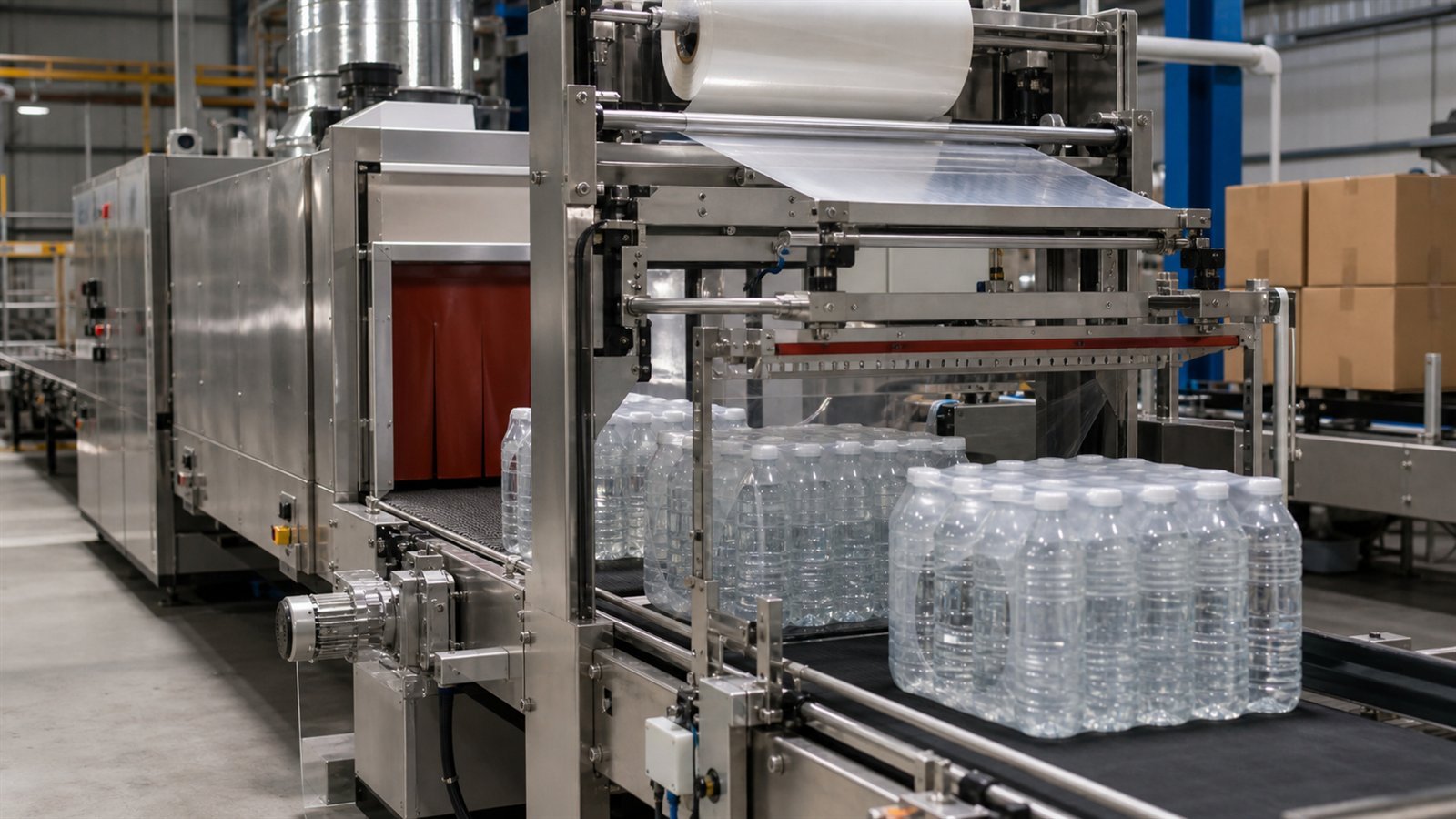 Bottle Packing Machine
Shrink wrapping, carton packing and end-of-line handling.
Send these details for a useful recommendation
| Product | Water, juice, tea, carbonated drink, oil, sauce, detergent, cosmetics, dairy or other liquid. |
|---|---|
| Container | PET bottle, glass bottle, jar, can, HDPE bottle, gallon bottle; size, neck, cap and label type. |
| Capacity | Bottles per hour, filling volume, number of SKUs and expected shift time. |
| Line Scope | Only filling machine, or treatment, blowing, capping, labeling, coding, packing and conveyors together. |
| Destination | Country, voltage, shipping preference and installation support needs. |
Send product, bottle and capacity details
Allot Tech (Suzhou) Co., Ltd. was founded in 2019. We honestly combine new-media communication and China manufacturing export sourcing so global buyers can find practical equipment options.
Email: sales@allottech.com
USA: +1 818 262 0958
China: +86 186 6213 1120
One-Stop Beverage Equipment Solutions | We Ship Worldwide from China
Buyer decision brief
Choose filling and packaging equipment by the production task
A useful equipment directory starts with the product, package and required saleable output. It then connects the filler to product preparation, container supply, closure application, inspection, labeling and final packing. Use the decision points below to narrow the project before comparing machine names or supplier quotations.
Selection matrix
Decisions to resolve before supplier comparison
| Decision area | Define in the RFQ | Why it changes the equipment |
|---|---|---|
| Product path | Record viscosity, foam, particles, temperature, gas content and cleaning limits. | These properties decide the filling principle and product-contact path before output is discussed. |
| Package path | Freeze the container drawing, neck, closure, label panel and finished pack. | Every transfer, change part, capper, labeler and packer depends on production-intent samples. |
| Capacity path | Calculate good units per hour from demand, shifts, changeovers and realistic efficiency. | A balanced line is more useful than one fast machine feeding slower downstream equipment. |
| Factory path | Confirm layout, voltage, water, air, steam, cooling, drainage and equipment access. | Site conditions change the scope, installation plan and total project cost. |
Quotation inputs
Information to send
- Full product list with physical properties at filling temperature.
- Container and closure drawings plus representative samples.
- Fill-volume range, target tolerance and visible-level requirements.
- Required good output by SKU, shift pattern and campaign length.
- Label, code, bundle, carton and pallet specifications.
- Destination, factory dimensions and available utilities.
Acceptance evidence
What to verify
- Run representative products and every agreed package format.
- Measure fill result, closure integrity, code and label quality.
- Record sustained integrated output, stops, rejects and product loss.
- Time complete changeovers and verify cleaning access and procedures.
- Check manuals, drawings, parts lists, safety devices and training scope.
Buyer questions
Questions to settle before an order
Where should a filling-machine project start?
Start with the real liquid, container, closure, fill volume, target good output and final pack. These inputs determine the process route and prevent unrelated machine types from being compared as if they were equivalent.
Can one filling machine handle every liquid?
Usually not without important compromises. Viscosity, foam, particles, temperature, chemical compatibility and cleaning requirements can require different tanks, pumps, valves, nozzles and dosing principles.
Should I request one machine or a complete line?
Define the exact boundary. A machine-only purchase may suit an existing factory with compatible utilities and downstream equipment. A new project normally needs interfaces from treatment or preparation through final packing.
What makes supplier quotations comparable?
Give each supplier the same product and package data, requested output, utility conditions, delivery destination, documentation list and acceptance test. Compare included equipment and exclusions line by line.
Beverage equipment buyer answers
Find the right beverage machinery by product, package and production task
A product directory is useful only when it helps a buyer define the complete process. Start with the liquid or product, container and saleable output, then connect treatment or preparation, bottle making, rinsing, filling, closure, labeling, coding and packing. This page explains how to narrow a Chinese equipment project before a machine name or price distracts from the real scope.
Buyer workflow
Move from a product idea to a buildable equipment scope
Use the same sequence whether you are starting a bottled-water plant, adding a juice line or upgrading one downstream machine.
Name the product route
Separate still water, carbonated drinks, juice, tea, oil, sauce, dairy or daily chemicals by process behavior. Record temperature, viscosity, gas, particles and cleaning boundaries.
Freeze the package and closure
List PET, glass, can, jar or gallon formats with drawings, samples, neck finish, closure, label area and finished-pack requirements.
Calculate good output
State saleable units per hour by important SKU, shifts, campaign length, changeovers and realistic efficiency. Then balance every line stage to that rate.
Set the project boundary
Mark where the line starts and ends, such as raw water, preforms, empty bottles or filled containers, and whether utilities, treatment, packing or installation are included.
Compare evidence, not photos
Require a machine list, component schedule, layout, utility data, testing method, exclusions, delivery terms, documents and service responsibility in a common quotation structure.
Direct answers
Beverage equipment questions buyers ask before choosing a supplier
These answers focus on the evidence a buyer can request before approving a configuration, quotation or shipment.
What equipment is needed for a complete bottling line?
The answer depends on the product and package. A typical project may include water treatment or product preparation, tanks, pumps, bottle blowing or depalletizing, rinsing, filling, capping or seaming, inspection, coding, labeling, conveyors, shrink or carton packing and palletizing. Carbonated, hot-fill, juice, can and large-bottle projects change the scope. Define the battery limits first so a “complete line” has a measurable meaning.
How do I choose equipment for bottled water, juice or carbonated drinks?
Start with the process, not the bottle. Bottled water focuses on source treatment, hygienic storage, rinsing, filling, capping and package handling. Juice or tea may add preparation, filtration, heating, cooling, pulp control and CIP. Carbonated drinks add carbonation, counter-pressure or isobaric filling, CO2 control and package pressure management. Each route needs its own product, temperature, package and acceptance specification.
Should I buy a single machine or a complete beverage line?
A single machine can suit a replacement or an existing line with compatible interfaces. A new plant usually needs a coordinated scope because bottle spacing, speed, controls, utilities, product transfer, capping and packing must work together. Compare the cost and risk of coordinating separate vendors with the benefit of one integrated responsibility matrix. Do not accept “turnkey” unless the included stages and exclusions are written.
How should I calculate beverage line capacity?
Use good saleable units per hour at a named bottle or can size, product condition and line state. Include changeovers, cleaning, material replenishment, planned stops, rejects and the slowest stage. Bottle blowing, treatment, filler, capper, labeler and packer should be balanced. Ask each supplier to show the cycle assumptions and sustainable rate, not just a maximum speed printed in a catalogue.
What data should I send before requesting beverage machinery prices?
Send product list and samples, process temperature, viscosity or gas data, bottle and closure drawings, label and final-pack details, required output, operating hours, factory layout, utilities, destination and desired scope. State what already exists. This lets suppliers price the same project and identify technical unknowns instead of returning a generic machine photo with an attractive but unusable figure.
How can I compare beverage equipment quotations from China?
Put every response into the same table: equipment included, model and quantity, component brands, output by format, utilities, contact materials, controls, change parts, layout, documentation, test scope, warranty, installation, spares, packing and trade term. Separate optional items and exclusions. Normalize EXW, FOB, CIF or other terms before comparing landed cost. The cheapest unnormalized quote is often simply missing scope.
What does a supplier need to prove before I approve an order?
Require a project-specific layout, process or flow diagram, component schedule, capacity calculation and representative test plan. Verify the contract entity and beneficiary information, manufacturing responsibility, documentation language and service boundary. Use production-intent samples in FAT and record measurable output, quality, changeover and stop-restart results. Photos and broad claims cannot prove package compatibility or a complete line boundary.
How do Chinese manufacturing partners fit into Allot’s role?
Allot Tech organizes the buyer requirement, helps clarify the requested scope and coordinates with Chinese manufacturing partners. The company does not present every machine as its own factory product or substitute marketing language for supplier evidence. The buyer should approve the technical entity, contract scope, testing conditions and destination requirements before payment and production.
What documents should be included with an imported beverage line?
The project may require approved drawings, manuals, electrical diagrams, pneumatic diagrams, spare-parts lists, component records, packing lists, commercial documents, certificates or conformity evidence required by the destination, and training or installation records. The exact set depends on the equipment and market. Put the document list, language, revision and delivery timing in the contract rather than leaving it to shipment week.
What should I prepare at the factory before machinery arrives?
Confirm floor loads, access, unloading, foundation or drainage, power, compressed air, process water, steam or hot water, cooling, ventilation, wastewater, network and operator space. Mark machine footprints and maintenance clearances. Coordinate civil work with the approved layout and keep a responsibility list for items supplied by the buyer, line integrator and each equipment partner.
Buyer inputs
Send a complete project brief
- Product route, formulation category and samples.
- Containers, closures, labels and finished-pack drawings.
- Good output by important format and shift plan.
- Existing equipment and exact start/end boundary.
- Utilities, layout, access and site constraints.
- Destination, import and documentation requirements.
- Target delivery, testing, installation and service needs.
Supplier response
Require a decision-ready supplier response
- Process flow and machine-by-machine scope.
- Capacity calculation by product and format.
- Component, contact-material and controls schedule.
- Utility, layout and interface responsibility table.
- Quotation inclusions, exclusions and trade term.
- FAT, documentation, spares and training plan.
- Installation, warranty and after-sales boundary.
Transparent sourcing
A clear starting point for China-made beverage equipment
Allot Tech (Suzhou) Co., Ltd. was founded in 2019. Our original background is new media and online communication; from 2025 we began combining that experience with manufacturing sourcing and export coordination. We present that history honestly and help international buyers turn a real beverage project into a comparable technical brief for Chinese manufacturing partners.
Continue your research
Related equipment and procurement guides
Use the next page that matches your product route, package, machine type or purchasing stage.
Start from the production duty
Turn a machine search into a complete, comparable equipment scope
A useful equipment shortlist starts with the liquid, container, closure, saleable output and project boundary. A machine name alone does not define whether the filler can dose the product, whether the bottle can be handled, or whether downstream equipment can sustain the required good output.Product
Describe viscosity, foam, particles, temperature and cleaning limits.
Package
Freeze bottle, cap, label and shipping-pack samples or drawings.
Output
State good packs per hour at the main size, not only maximum cycle speed.
| Project starting point | Best first route | Evidence to prepare | Common scope gap |
|---|---|---|---|
| Liquid and package are not yet frozen | Filling machine selection guide | Product data, target shelf pack, trial samples and output range | Requesting a fixed model before the duty is defined |
| One stable liquid and one bottle | Filling technology and container route | Dose, bottle drawing, closure, target good output and utilities | Ignoring cap feeding, coding and discharge handling |
| Several products or bottle formats | Flexible filling and changeover review | Complete SKU matrix, campaign plan and cleaning sequence | Quoting only the easiest product and largest bottle |
| A complete new line is required | Integrated filling and packaging scope | Process boundary, factory layout, utilities, inspection and shipping pack | Comparing machine totals without interface responsibility |
| An existing line is being upgraded | Interface and bottleneck assessment | Current layout, controls, elevations, rates, fault history and available shutdown window | Assuming a faster machine automatically raises saleable output |
Minimum buyer file before supplier comparison
- One row per SKU with liquid, fill volume, container, closure, label and case or shrink-pack pattern.
- Target good output, shift pattern, planned efficiency basis and future expansion requirement.
- Available voltage, frequency, compressed air, water, drainage, floor area and access constraints.
- Required documentation, destination compliance boundary, FAT method, training and spare-parts scope.
- A responsibility matrix showing who supplies product preparation, conveyors, coding, inspection and end-of-line equipment.